
THE HAGUE — At least 52 women and one girl were arrested or detained in Herat and Kabul between July and September over dress-code rules, the UN mission in Afghanistan said on October 8, and were released after several hours.
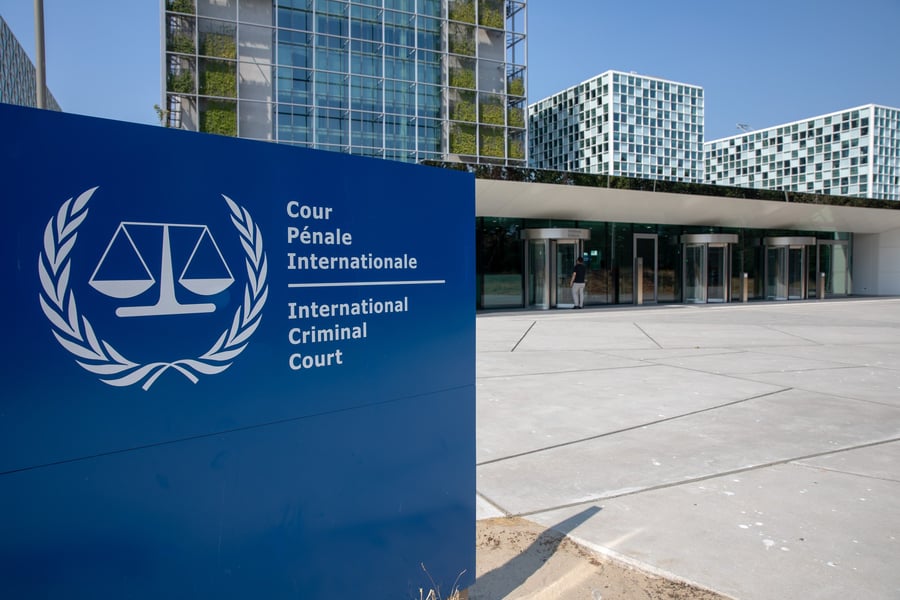
Three days earlier, judges at the International Criminal Court had unsealed arrest warrants for four Taliban leaders. The court said it has reasonable grounds to believe Haibatullah Akhundzada, Abdul Hakim Haqqani, Habibullah Agha and Neda Mohammad Nadim ordered, induced or solicited the crime against humanity of persecution, on gender grounds against girls, women and others who do not conform to Taliban policy, and on political grounds against people seen as “allies of girls and women.”
The first two warrants were issued on July 8, 2025, and their existence was disclosed then; the other two, issued on September 9, 2025, stayed secret until this month. The dates matter to the case. The court’s period runs from the Taliban’s seizure of power on August 15, 2021, to at least January 20, 2025, so the arrests counted by the UN mission fall after it.
The chamber, in its release, said the suspects implemented a governmental policy that caused severe rights violations linked to murder, imprisonment, torture, rape and enforced disappearance. Some Taliban rules applied to everyone, it said, but girls and women were singled out and stripped, by decrees and edicts, of rights to education, privacy and family life and of freedoms of movement, expression, thought, conscience and religion.
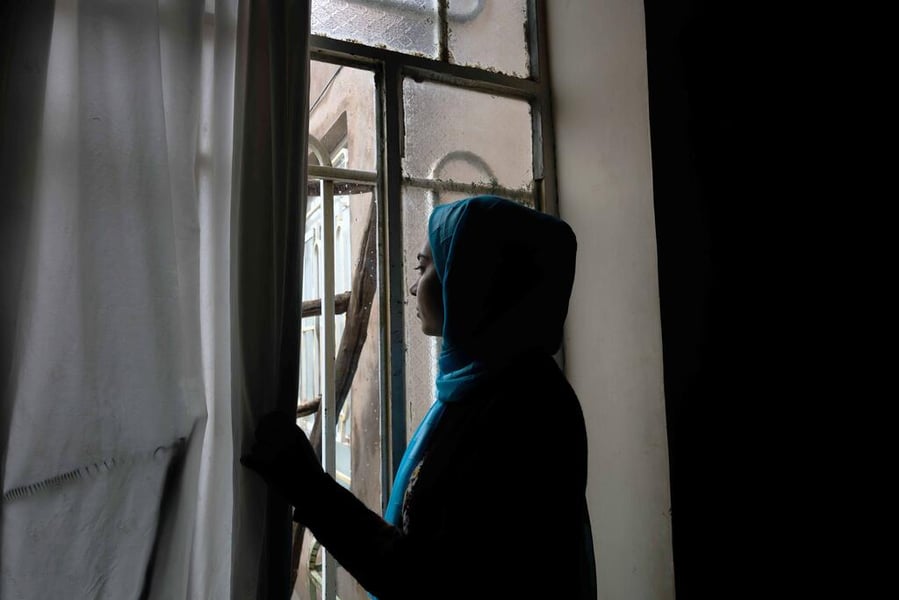
The judges also made a legal point that reaches beyond Afghanistan. They held that the Rome Statute’s definition of gender cannot be read as purely biological sex and must take in the socially constructed roles and hierarchies tied to it, commonly called gender norms. Gender persecution, they found, covers systemic and institutionalised harm, not only violence, and extends to people who opposed the policies even passively.
On the street, the pattern is familiar. According to UN News, the mission’s verified cases involved women detained for not wearing a chador, showing hair, wearing colourful scarves or makeup, or appearing in public without a male guardian, and it warned the true number could be far higher. TEH reported earlier this year on a Herat protest sparked by hijab arrests.
The prosecutor said in 2025 that applications against other senior Taliban members would follow. The court’s release says nothing about whether any of the four is in custody, or how a warrant would be carried out.