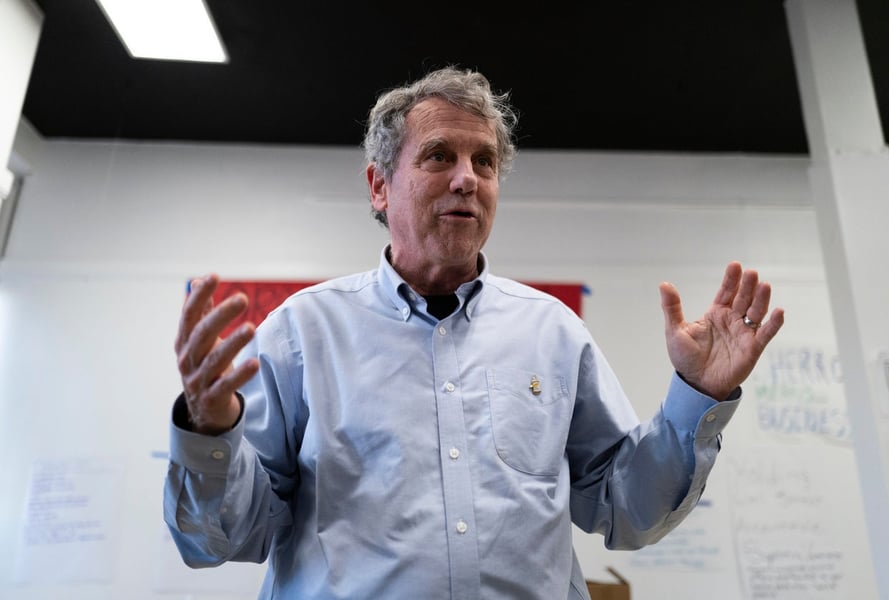

WASHINGTON — Sherrod Brown and three other Democratic candidates have waited more than five months for the Federal Communications Commission to say whether party committees may buy campaign airtime at the rate the law reserves for candidates. Brown, the former senator now challenging Sen. Jon Husted in the Ohio Senate race, had won a court order forcing an answer by October 9. On Wednesday, less than three weeks before the November 3 election, the Supreme Court put that order on hold.
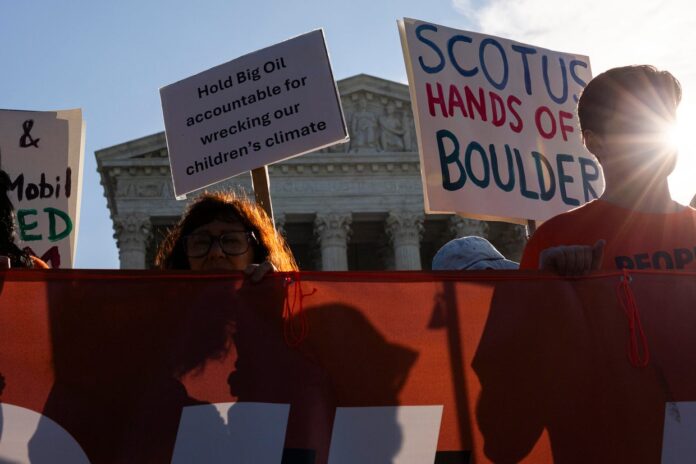
In an unsigned opinion, the justices stayed the October 7 Fourth Circuit order, which had given the agency 48 hours. The Communications Act “does not obligate the Commission to act within a particular timeframe,” the Court wrote, and separation of powers does not let the Judiciary “meddle in” the agency’s deliberations that way. Justices Sonia Sotomayor and Ketanji Brown Jackson would have denied the applications.
At stake is the “lowest unit charge,” the discounted rate stations must offer candidates in the 60 days before a general election. A March 30 notice from the FCC’s Media Bureau told broadcasters to extend it to party-coordinated ads and some joint fundraising committees. The candidates say that lets parties buy more airtime for the same money. Commissioner Anna Gomez, dissenting in August, wrote that the new reading “will significantly increase the volume of broadcast advertising that can be bought with campaign dollars in this election cycle, which could, in fact, impact the outcome of the election.”
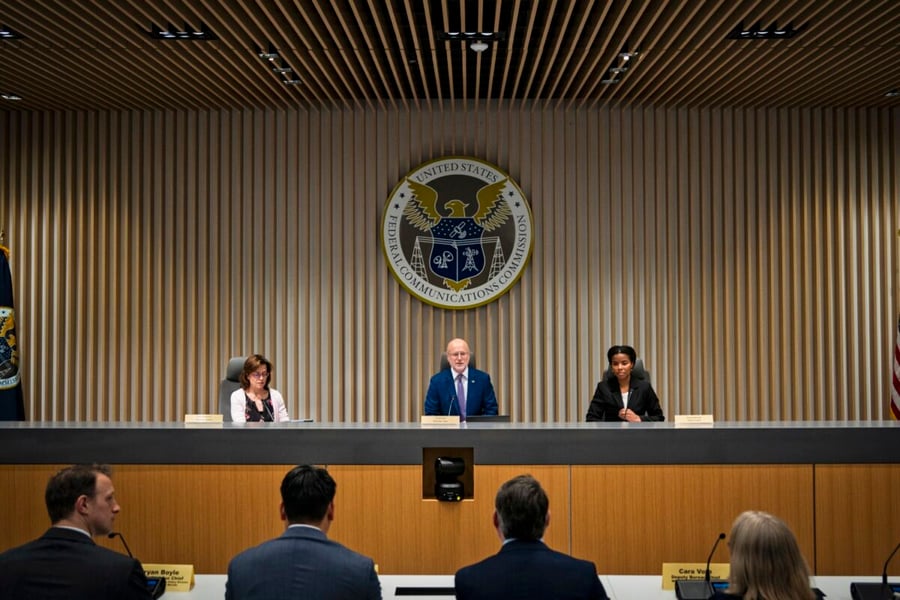
The two judges who wrote the Fourth Circuit’s order saw delay as strategy. Judges King and Wynn wrote in their order that the FCC had stalled “in an obvious effort to preclude judicial review prior to the November 3 election day.” Judge Harvie Wilkinson, dissenting, called the writ “a direct affront to the Supreme Court’s stay order.” That earlier order, a month before, held the Fourth Circuit likely lacked jurisdiction because the candidates sued before the FCC ruled.
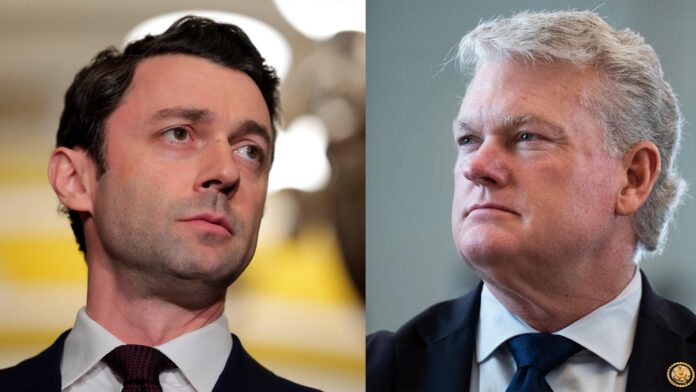
None of the filings TEH read puts a price on the discount. In their Supreme Court filing, the candidates cite Federal Election Commission records showing the National Republican Senatorial Committee spent more than $1.9 million on media coordinated with Bernie Moreno’s campaign in 2024, when Brown lost his seat by less than 4%. That is a past figure, not a forecast. The other plaintiffs are Roy Cooper in North Carolina, Rep. Kristen McDonald Rivet in Michigan and Sen. Jon Ossoff, who finished his final debate with Rep. Mike Collins on Tuesday night.
The Court’s opinion keeps the stay in place until any certiorari petition is filed and decided; if certiorari is denied, it ends automatically. TEH found no public date for a vote by the full commission and no statement from the four candidates on Wednesday’s order. Whether the agency answers before voters do is a question no filing resolves.