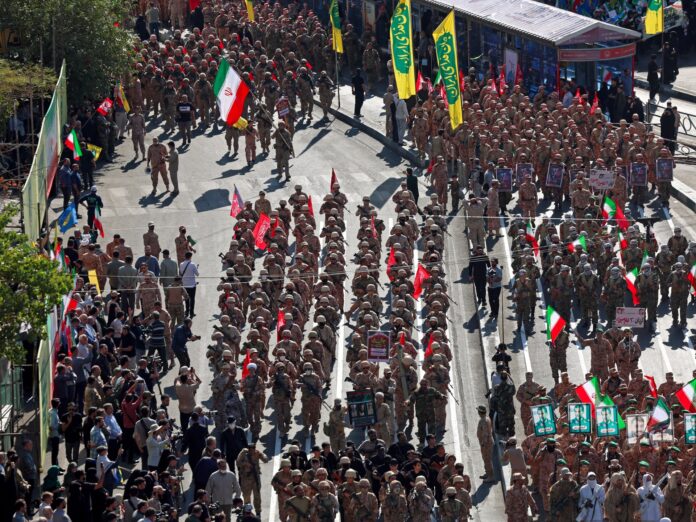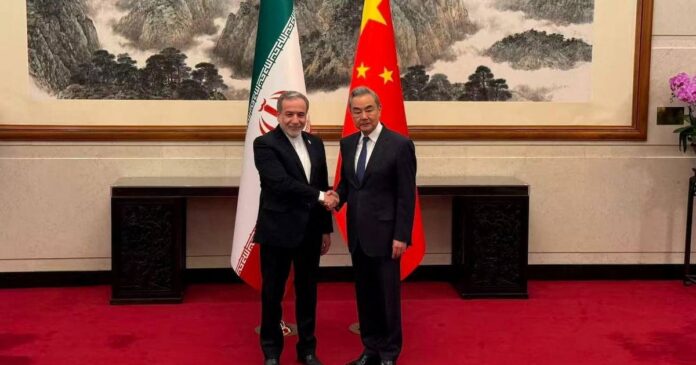

Global financial markets plunged on March 1 and 2, 2026, as the widening Middle East war escalation and regional instability, especially the US-Israel air war against Iran, rattled investors and drove crude oil prices sharply higher. The conflict affected one of the world’s most strategic trade corridors, the Strait of Hormuz, sending shock waves through stock indexes, currencies, commodities and global supply chains.
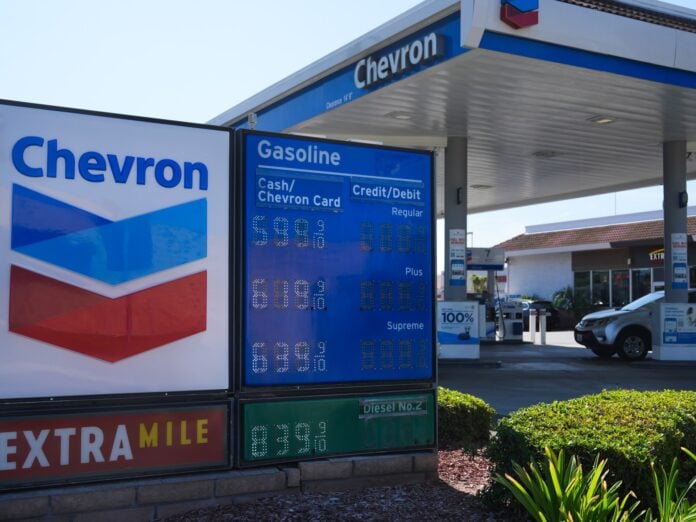
Oil and gas markets reacted first and most violently, with Brent crude soaring as much as 10% toward above $80 per barrel amid concerns that the closure of crucial shipping lanes could severely restrict global energy flows. Analysts warned the impact of Iran conflict on energy prices was profound, with both supply shortages and heightened risk premia driving volatility in commodities markets.
Energy traders noted that disruptions in tanker traffic and shutdowns of facilities across the Gulf were causing a historic repricing of risk in oil markets, which may have significant implications not only for inflation expectations but also for global economic growth. Meanwhile, natural gas prices in Europe spiked sharply amid reassessments of supply adequacy for the winter season.
Equity markets around the world responded with pronounced weakness. The Dow Jones Industrial Average, S&P 500 and Nasdaq Composite all slid as risk assets were sold off, while safe-haven instruments like gold and the US dollar strengthened substantially. In Europe, major indexes including the FTSE 100, DAX 30 and CAC 40 posted losses, reflecting investor anxiety over widening conflict and higher energy costs.
In the financial markets, there was also a noticeable shift toward assets perceived as defensive or inflation-resistant. Central banks and sovereign bond markets faced renewed questions about monetary policy as the possibility of sustained higher energy costs threatened headline inflation expectations. The volatility index (VIX) climbed as traders digested the increased uncertainty in capital markets.
Rising Oil Prices and Energy Market Volatility
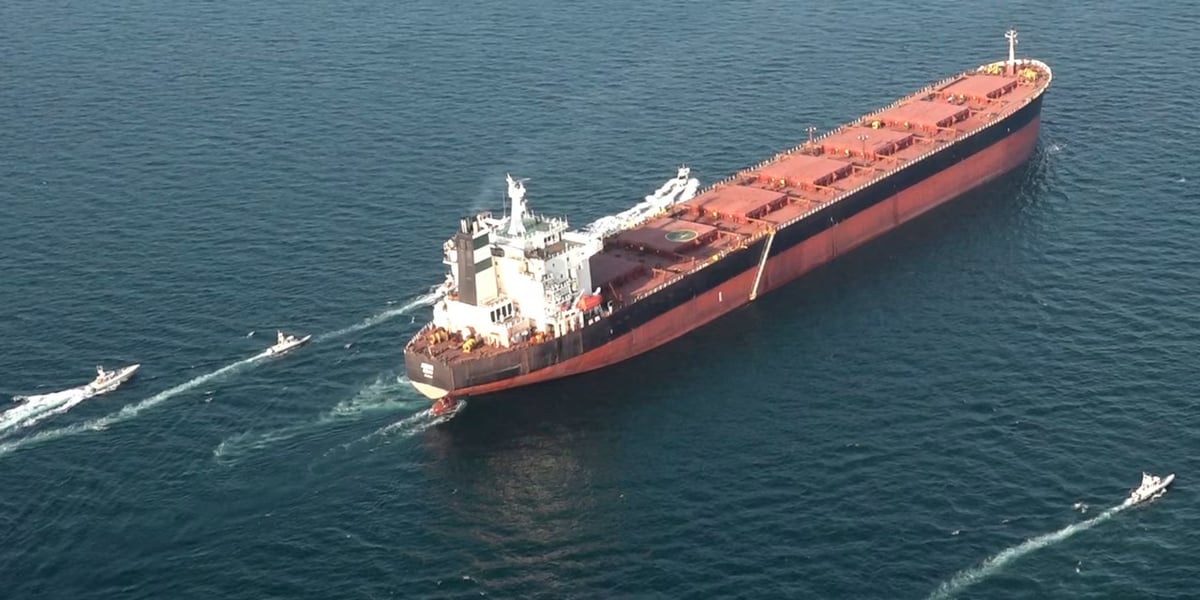
The upward shock in crude prices and broader energy markets was driven by multiple factors related to the ongoing conflict. Supply routes through the Strait of Hormuz, historically carrying about 20% of global oil shipments, were effectively restricted, prompting shipping companies to reroute tankers or suspend voyages altogether. This disruption fueled a global energy price surge that extended beyond crude to refined products and liquefied natural gas (LNG), exacerbating inflationary pressures.
Industry analysts noted that the premium on global oil prices could remain elevated as long as the military conflict persists and risks to supply infrastructure remain. Even promised production increases by OPEC+ were unlikely to offset concerns that transportation bottlenecks may result in a net loss of millions of barrels per day of oil and products.
In response to the crisis, stakeholders across the Middle East and Asia began reassessing supply strategies. Some nations discussed tapping strategic reserves or seeking alternative imports to stabilize domestic energy markets, a dynamic that could reshape global trade flows if sustained over several months.
Equities, Safe Havens, and Sector Rotation
Investors reacted to the heightened risk environment by reallocating portions of portfolios toward traditionally defensive assets. The investor flight to safe havens was evident as gold prices climbed, treasury yields fluctuated and the dollar rallied against major currencies.
Conversely, equities tied to travel, leisure, and broader consumer spending suffered the sharpest declines, reflecting concerns over reduced economic activity and lower consumer confidence. In contrast, sectors tied to defense and energy benefited from capital inflows as market participants sought assets with potential upside under the current geopolitical regime.
Regional stock markets that were directly exposed to Middle Eastern volatility took even harsher hits. Several Gulf exchanges temporarily suspended trading to mitigate panic selling, underscoring how quickly war-related news can ripple through financial systems. At the same time, European markets felt the shock of higher energy input costs, while Asian markets absorbed the effects of reduced export demand and costlier imports.
Economic Fallout and Supply Chain Disruption
Beyond commodity prices and financial markets, the conflict threatened broader economic disruption. The slowdown of shipping through chokepoints such as the Strait of Hormuz raised freight costs and extended delivery times for goods, potentially aggravating inflation and supply chain bottlenecks already strained by post-pandemic dynamics. This underscores the economic fallout of oil price explosions and its spillover into industrial production, consumer prices and global trade.
Analysts warned that if significant portions of global energy resources remain at risk, countries dependent on imports could face deeper recessions or worsening balance-of-payments positions. Central banks may be forced to balance inflation control against slowing growth, raising complex policy dilemmas as the year unfolds.
Continued Volatility and Market Caution
With geopolitics continuing to dominate market sentiment, analysts suggest that volatility is likely to persist until there is meaningful progress toward de-escalation. Energy markets are expected to remain sensitive to military developments and shipping lane security, while equities will track risk-off flows closely.
Longer-term investors and policymakers alike will be watching developments in the Middle East with high attention, as prolonged conflict could have lasting implications for inflation, growth and asset allocation across global portfolios.