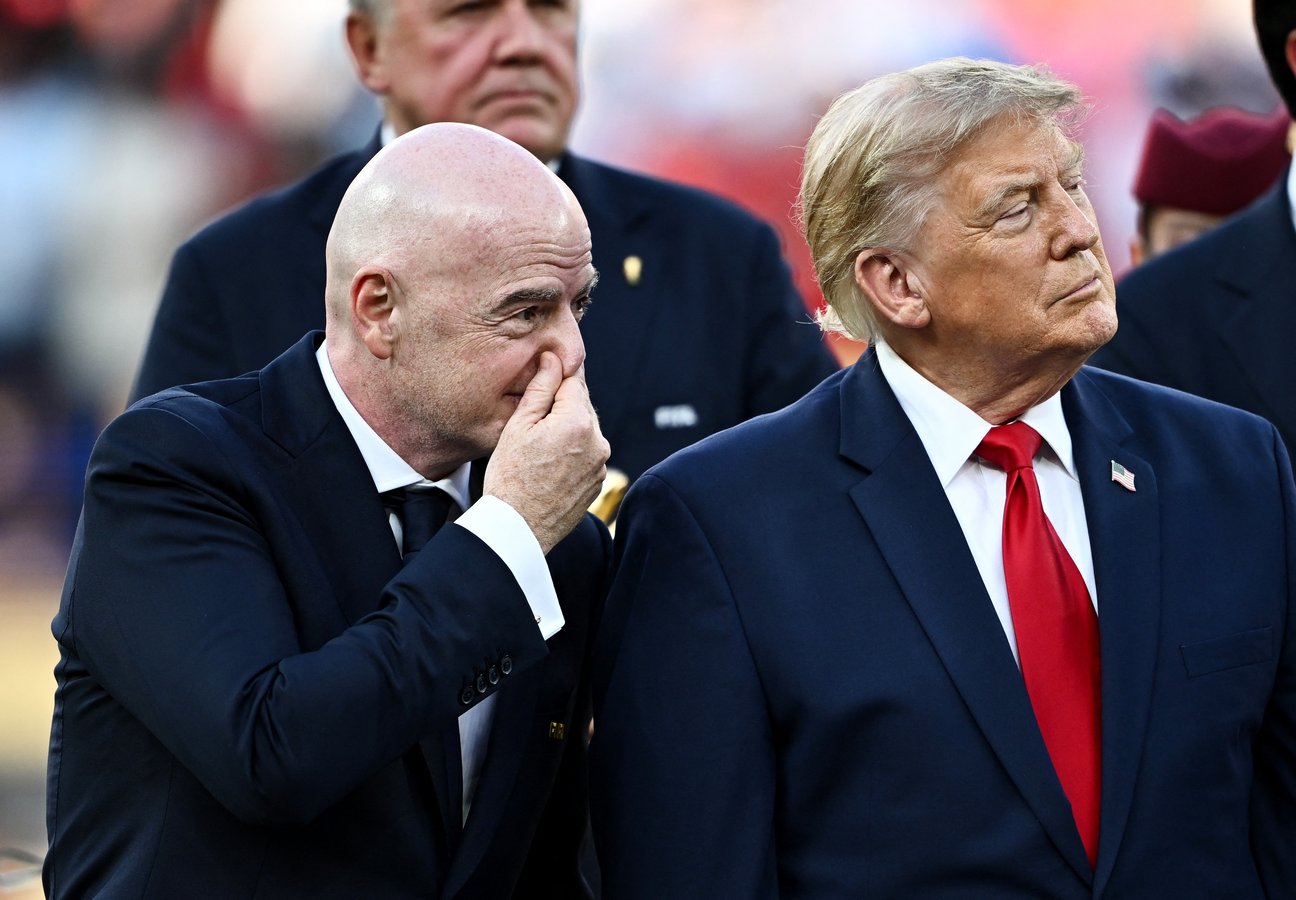

ZURICH – Carlos Cordeiro had spent years as one of football’s most trusted institutional operators. As a senior FIFA adviser and former United States Soccer Federation president, his resignation sent a signal more precise than most public statements: “I cannot stand by,” he wrote, “while FIFA considers selling a stake in the World Cup.” The letter arrived Thursday, and within hours, Gianni Infantino had cancelled the plan.
The abandonment closed, at least for now, a chapter that had unsettled world football with unusual speed. FIFA’s president had spent months assembling a $4.2 billion deal: a mechanism to sell roughly 20 percent of a new World Cup operations unit to external investors, with Joshua Kushner’s Thrive Eternal fund as the lead buyer. The arrangement was valued at approximately $20 billion and was framed by Infantino as a pathway to fund football’s global expansion. His statement on Thursday was brief and oblique, citing “divisions of a nature that, regardless of the level of support, are no longer in the interest of the objective set out.”
In plain terms: the revolt had made the plan untenable.
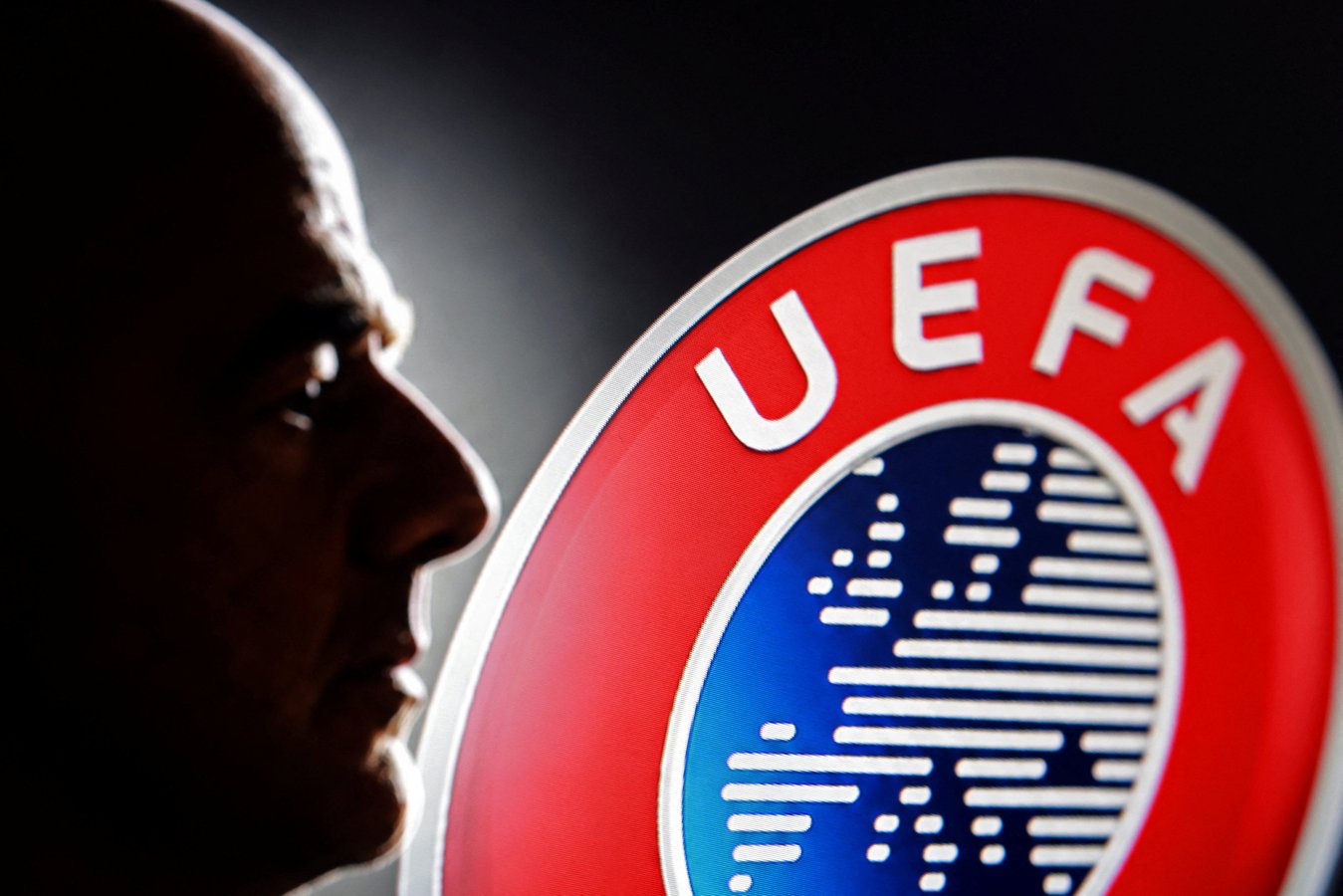
UEFA, European football’s governing body and the source of the sport’s largest broadcasting revenues, had voted to boycott all FIFA competitions if the stake sale proceeded. Its president, Aleksander Ceferin, called the proposal “irresponsible and indefensible” and accused Infantino of placing football’s “soul” up for sale. The Asian Football Confederation also weighed in: its president, Sheikh Salman bin Ibrahim Al Khalifa, called the plan “totally unacceptable.” In football governance terms, that combination of European and Asian rejection, from the two confederations that carry the most financial and political weight, left little space for the plan to survive.
But the most consequential statement did not come from a rival confederation. It came from inside FIFA’s own building.
Kevin Lamour, the organisation’s chief operating officer, said FIFA staff had been “deceived” about the nature of the investment plan. Lamour joined Infantino’s inner circle in 2016, when the Swiss-Italian lawyer won the presidency with a campaign built on transparency and inclusion. His public statement on Thursday represented a break with the institutional culture that has kept FIFA’s internal disputes away from microphones. “It is the project of one person,” Lamour said. “And if that means I lose my job then so be it. At least I’ll sleep well tonight,” he said in remarks reported by Al Jazeera.
The fact that a president’s own COO had accused him of deceiving staff, on the record, in a matter of institutional governance, carries a weight that policy reversals do not easily neutralise.
Cordeiro’s resignation from the FIFA advisory board had preceded Lamour’s statement by a matter of hours. Cordeiro, the former president of US Soccer who had spent years inside FIFA’s structures without public complaint, had attached his name to an unusually direct declaration: that he could not remain associated with an institution that was considering what he regarded as a liquidation of its most valuable asset. The convergence of his departure and Lamour’s testimony on the same day made Thursday the most damaging twenty-four hours of Infantino’s presidency.
The investor at the centre of the plan, Joshua Kushner, is the founder of Thrive Eternal and the brother of Jared Kushner, Donald Trump’s son-in-law and former senior White House adviser. That connection had attracted scrutiny from the moment the plan became public, Al Jazeera reported. FIFA has not explained how Kushner’s fund was selected as the lead investor, what competitive process preceded that selection, or how due diligence was structured. Those questions are not resolved by Thursday’s cancellation.
Infantino had set a September 19 deadline for member federations to formally respond to the plan. That timeline now has no practical function. The presidential election is scheduled for November, and the field of challengers has been watching. The stake-sale debacle gives anyone running against Infantino a narrative about institutional overreach that is difficult to counter, particularly given the internal nature of the dissent.
Andy Burnham, the British prime minister, told reporters that Infantino was “the wrong man to lead the organisation.” His intervention was unusual for a head of government and reflected how far the governance dispute had migrated beyond football into politics. That an elected leader would weigh in by name, calling for the replacement of a sporting official, marks the depth of the credibility damage Infantino sustained this week.
FIFA’s executive structure gives the president considerable authority, and history suggests that institutional revolts within football’s governing body tend to be absorbed rather than producing leadership change. UEFA’s boycott threat, however credible, did not come with a clock attached. The confederations got what they wanted: the plan is withdrawn. Whether they pursue the structural accountability questions that remain, including how a $20 billion sell-off was assembled without formal consultation, will determine whether Thursday’s cancellation is the end of the affair or the beginning of a longer reckoning.
What is clear is what it took to stop it: a rival confederation threatening to walk, a peer confederation calling the plan unacceptable, an adviser resigning, and the COO testifying, publicly, that staff had been misled. The plan is gone. The presidency is intact. Whether the presidency’s credibility survived Thursday in the same condition is, for now, an open question.