

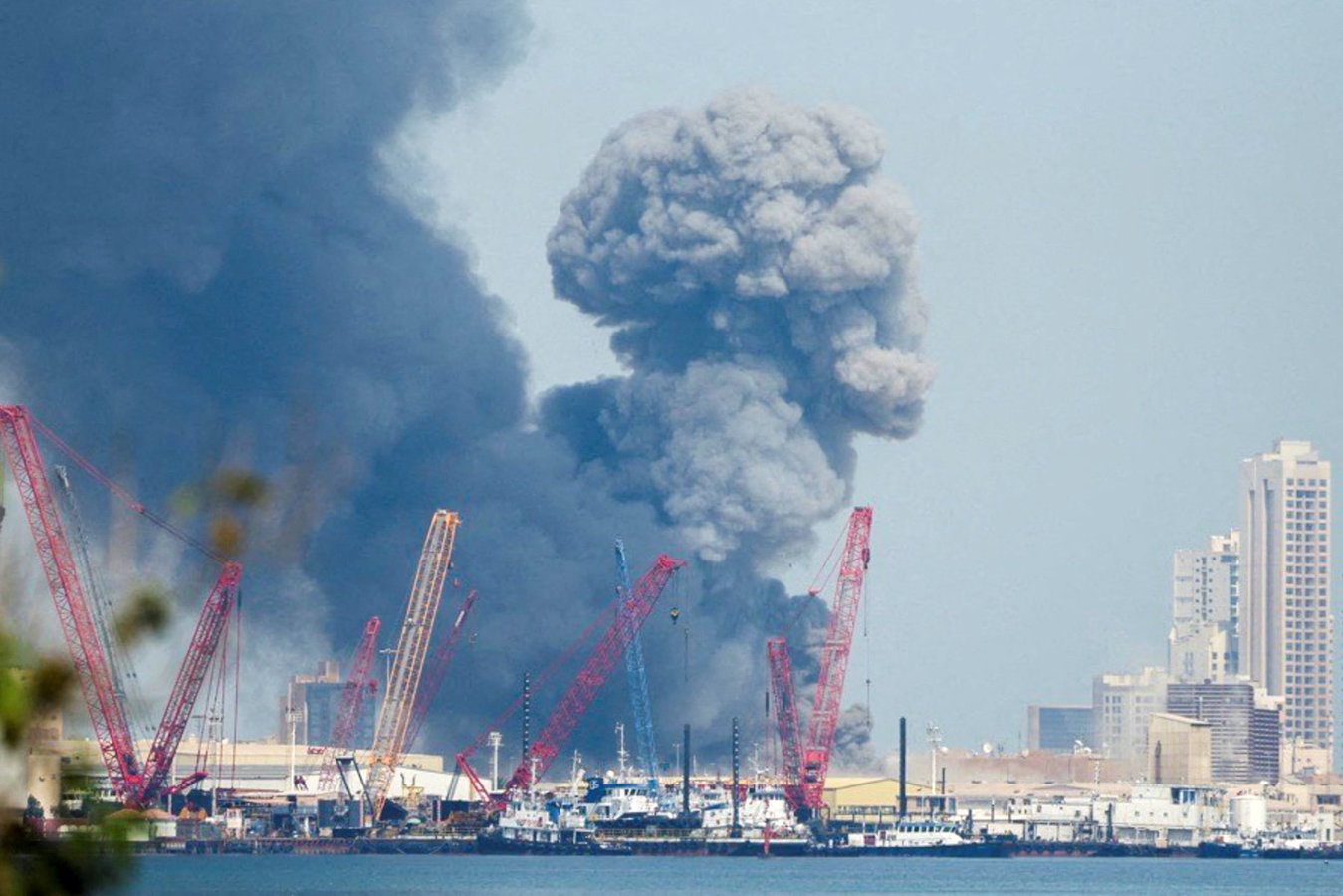

TEHRAN/DUBAI — Iran’s Islamic Revolutionary Guard Corps (IRGC) claimed late Saturday that it had destroyed a Terminal High Altitude Area Defense (THAAD) anti-missile system in the United Arab Emirates, a declaration that, if verified, would mark one of the most consequential escalations in the widening confrontation between Iran, the United States and Israel.
The assertion, carried by Iranian state media and amplified by IRGC-affiliated outlets, said a precision strike targeted a key radar component associated with the US-supplied missile defense shield in the Emirati coastal region. The claim has not been independently confirmed, and officials in Abu Dhabi have not confirmed damage to any THAAD installation. US defense authorities have also declined to publicly acknowledge the alleged destruction.
Still, the announcement alone has reverberated across diplomatic and military circles, underscoring the fragility of security architecture in the Persian Gulf and raising urgent questions about the effectiveness of advanced missile defense systems in the face of increasingly sophisticated ballistic and hypersonic threats.
Escalation in a Volatile Week
The reported strike follows days of intensifying hostilities after coordinated US and Israeli air operations targeted Iranian military and nuclear-linked infrastructure, a campaign that many analysts say broadened the conflict dramatically. In response, Iran launched a barrage of missiles toward several Gulf cities, rattling population centers and triggering nationwide alerts. According to Reuters, Iran fired missiles at multiple Gulf states after US and Israeli strikes, an assault that sent residents rushing for cover and forced emergency measures across the region.
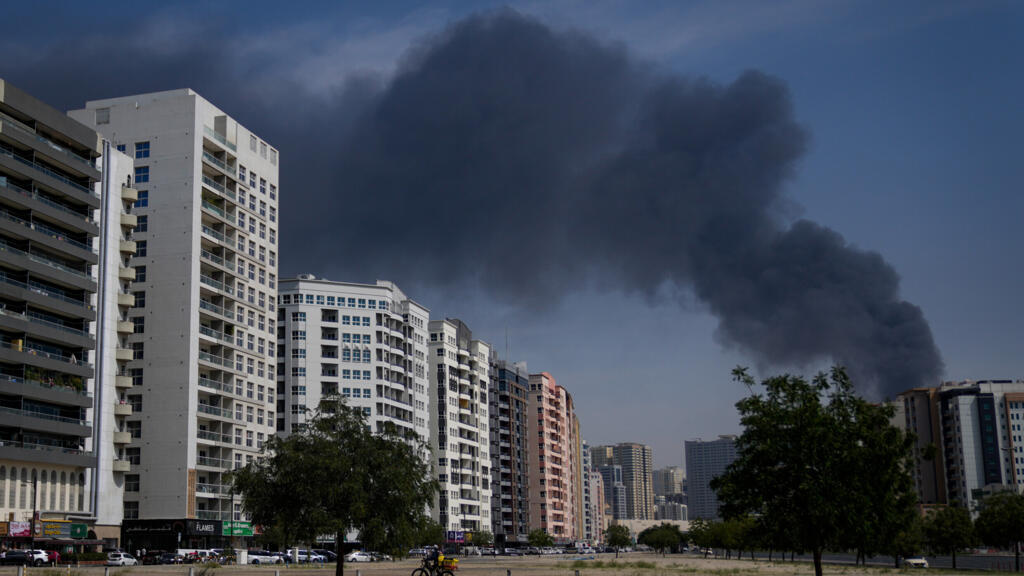
“Any platform used to facilitate aggression against Iran will be treated as a legitimate target,” an IRGC spokesperson said in a televised address, stopping short of confirming whether US personnel were harmed. The statement framed the operation as a demonstration of technological capability and strategic resolve.
What Is THAAD and Why It Matters
The Terminal High Altitude Area Defense system is among the most advanced ballistic missile interception platforms in the US arsenal. Designed to intercept short-, medium- and intermediate-range ballistic missiles during their terminal phase, THAAD relies on powerful X-band radar and kinetic energy interceptors to destroy incoming threats outside or at the edge of Earth’s atmosphere. For a primer on how layered missile defense systems like THAAD and Patriot operate, see this detailed explanation of the UAE’s missile defense response.
The UAE became the first foreign purchaser of THAAD more than a decade ago, integrating it into a layered air defense network that also includes Patriot missile batteries. The system has been viewed as a cornerstone of Gulf security arrangements, especially amid longstanding tensions with Iran over maritime routes and regional influence.
Conflicting Narratives and Civilian Impact
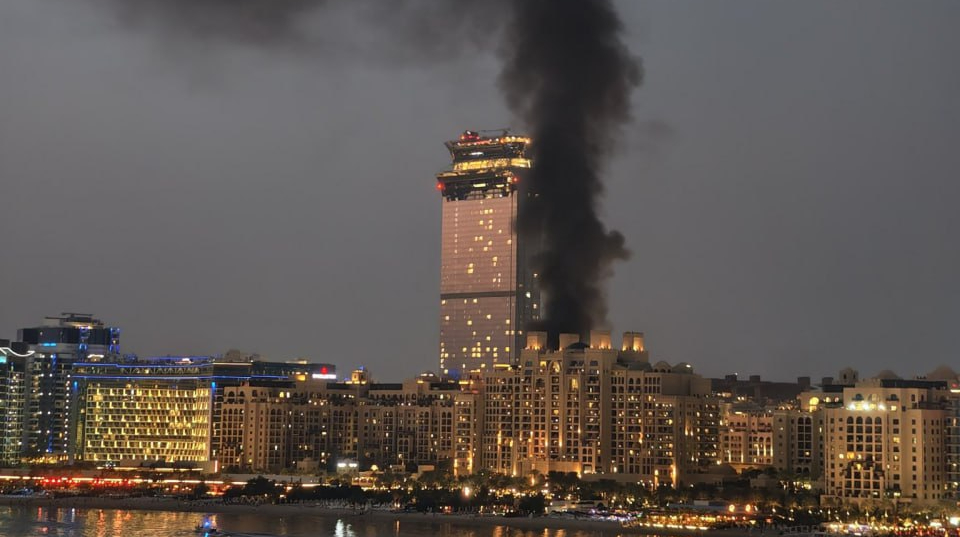
Emirati defense officials have repeatedly stated that air defense systems successfully intercepted most incoming threats, emphasizing that national infrastructure remains intact. However, recent Islamic Republic strikes have affected civilian zones and critical infrastructure in the UAE, including major transport hubs. Reuters reported that Iran’s missile fire caused damage to Dubai’s international airport and the iconic Burj Al Arab hotel, injuring civilians and disrupting travel in the emirate.
Strategic Implications for the Gulf
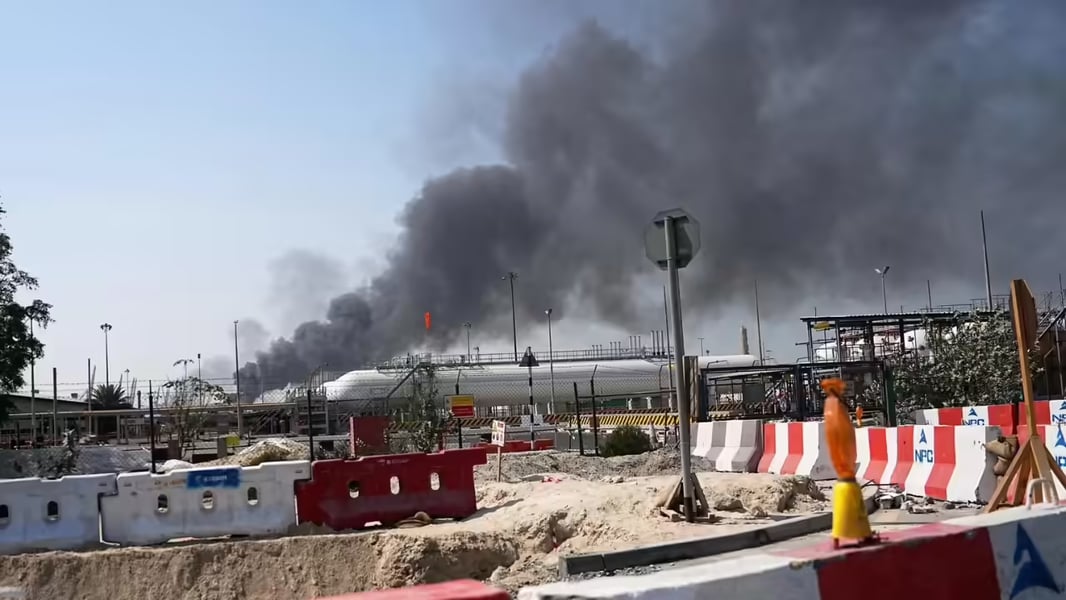
The Gulf region has long been a theater of proxy competition and strategic signaling. Energy infrastructure, maritime chokepoints and foreign military installations sit within range of Iranian missile forces. For years, Gulf states have invested heavily in missile defense systems to hedge against precisely such scenarios. For more on the broader context of Iran’s positioning against US and allied support, see Eastern Herald’s report on broader regional alignment against Western operations. Iraq’s Nujaba Movement Declares Full Support for Iran.
The potential vulnerability of those systems introduces a new layer of uncertainty. If advanced interceptors can be saturated or circumvented, defense planners may face difficult choices: escalate retaliatory strikes, reinforce missile shields or pursue diplomatic de-escalation.
Washington’s Dilemma
For US policymakers, the IRGC’s claim presents a delicate challenge. A public acknowledgment of damage could embolden adversaries and unsettle allies. A denial, if later contradicted by evidence, could undermine credibility. Still, US officials have reiterated that forces remain prepared to defend American personnel and partners in the region amidst growing tensions.
For analysis on how these strikes have affected commerce and regional economic activity, refer to Eastern Herald’s coverage of regional shutdowns and business disruptions following retaliatory attacks. Gaza Genocide: Israel Shuts Rafah Amid Iran War.
Iran’s Strategic Messaging
Iran has long emphasized its indigenous missile development program as a pillar of national defense. Over the past decade, it has unveiled increasingly precise and maneuverable ballistic systems, some designed to evade missile shields. By claiming to have neutralized a THAAD component, the IRGC underscores a narrative of technological parity, or even superiority, against Western-supplied hardware. Whether or not the damage is confirmed, the messaging serves domestic and regional audiences by projecting confidence.
Regional Reactions
Across the Gulf Cooperation Council states, reactions have been mixed. While some governments have publicly urged restraint and emphasized civilian protection, others have condemned Iran’s actions outright as provocative. A broader Reuters analysis noted how Iran’s strikes have rattled citizens and altered perceptions of regional security, shaking even cities that long prided themselves on stability.
The Risk of Miscalculation
Military experts warn that modern conflicts often escalate not through deliberate design but through miscalculation. A strike intended as a limited signal can be interpreted as an existential threat, triggering cascading responses. The Persian Gulf’s dense concentration of military assets heightens that risk. Within a relatively narrow geographic area sit US bases, Emirati facilities, commercial ports and critical energy infrastructure. A single misdirected projectile or misinterpreted radar reading could spark a chain reaction.
Energy and Global Impact
The broader economic stakes are substantial. The UAE is a major oil producer and logistics hub. Any sustained degradation of its defense capabilities could raise questions about the security of export terminals and maritime lanes. Analysts have noted that even temporary uncertainty can ripple through global supply chains, affecting everything from freight rates to energy prices.
Looking Ahead
In the absence of independent satellite imagery or confirmed on-the-ground reporting, the claim of THAAD destruction remains contested. Yet the strategic significance lies not only in hardware damage but in the evolving narrative of deterrence and counter-deterrence. Should evidence emerge that a THAAD radar was indeed destroyed, it would prompt rigorous reassessment of missile defense doctrines and procurement strategies. Conversely, if the system remains intact, the episode may still reveal vulnerabilities in crisis communication and information warfare.
The coming days will likely determine whether this episode becomes a symbolic exchange in an ongoing shadow war or the opening chapter of a far more consequential confrontation.













