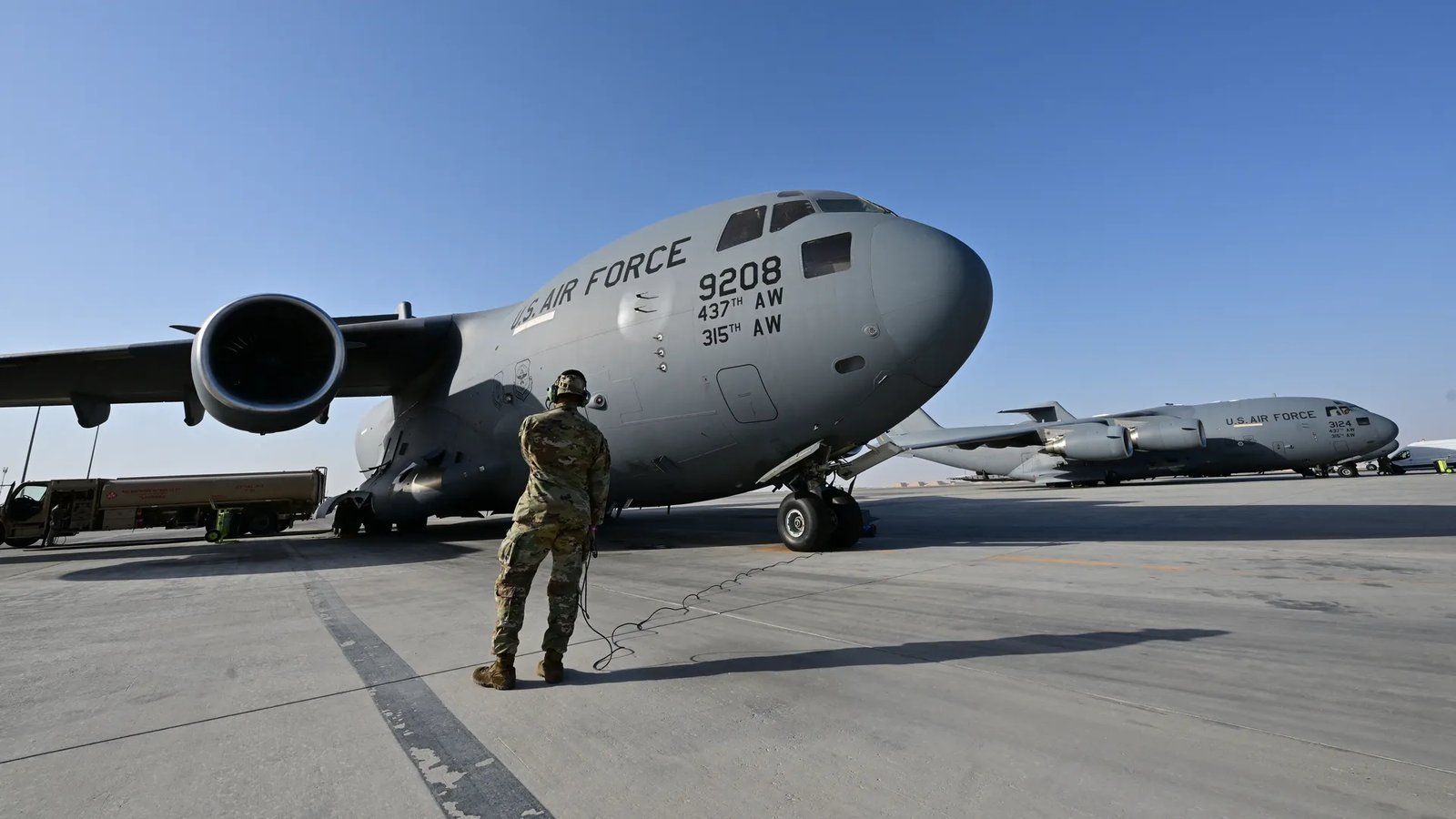

The United States has begun urgent evacuation operations across the Middle East, dispatching aircraft and arranging charter flights to remove American citizens and diplomatic personnel as fears mount that Iran could retaliate after the killing of its Supreme Leader in a dramatic escalation of the regional conflict.
Washington’s move to organize evacuations reflects growing concerns that the war, which began with coordinated airstrikes inside Iran targeting top leadership, could spiral into a wider regional confrontation involving multiple countries, shipping routes and foreign embassies.
American officials say evacuation flights are being organized from several Middle Eastern countries where thousands of US nationals live, work or travel. The State Department has issued urgent travel warnings urging Americans to leave the region while commercial routes remain available, and officials say the government is securing military and charter flights for citizens to leave the Middle East.
The effort comes as protests have erupted outside several US diplomatic missions around the world and tensions continue to surge following the killing of Iran’s Supreme Leader during a wave of US and Israeli strikes on Iranian leadership targets.
Rapid Escalation Across the Middle East
The death of Iran’s most powerful political and religious figure has triggered one of the most volatile moments in Middle Eastern geopolitics in decades.
Iran confirmed that senior leadership figures were killed in large-scale strikes targeting political and military command structures in Tehran. Since then, Iranian forces and allied militias have launched retaliatory attacks against US and allied targets across the region.
Reports of Iran launching missile and drone attacks across Gulf states have raised fears that the conflict could expand far beyond the initial strikes.
Governments across the world are now scrambling to evacuate their nationals as the war spreads. According to Reuters reports, multiple countries have already begun organizing repatriation flights as governments prepare evacuation operations amid widening conflict.
Thousands of Americans Attempt to Leave
According to US officials, tens of thousands of Americans remain in the Middle East, including business travelers, expatriates, students and tourists.
More than 17,000 US citizens have already departed the region since the conflict began, though many remain stranded due to flight cancellations and closed airspace across several countries.
The State Department has advised Americans not to wait for government-organized evacuation flights and instead depart immediately using commercial transportation if possible.
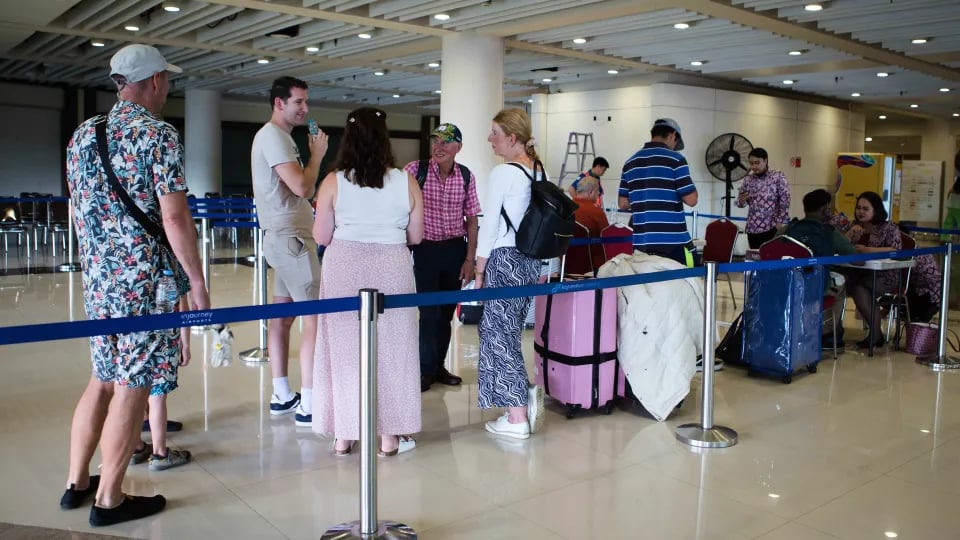
In Dubai and other major transit hubs, Americans have reported repeated cancellations while trying to leave. Several reports describe Americans stranded as flights are repeatedly canceled during the escalating Iran conflict.
Regional Airspace Disruptions
The widening conflict has severely disrupted aviation across the Middle East.
Airspace closures and missile activity have forced airlines to cancel or reroute flights, leaving travelers stranded in major transit hubs such as Dubai and Doha.
Airlines across Europe and Asia have suspended flights through large parts of the region as security risks increase. Aviation analysts say the crisis represents one of the largest disruptions to regional air travel in years, with airspace closures grounding flights and triggering global evacuation operations.
Diplomatic officials say the evacuation operation is likely to expand in the coming days if the conflict continues to intensify.
Global Protests and Diplomatic Pressure
The killing of Iran’s Supreme Leader has sparked demonstrations outside US embassies in several countries, reflecting global anger and political backlash.
Protests have been reported in parts of the Middle East, South Asia and Europe, where demonstrators have gathered outside diplomatic compounds demanding an end to the war.
In Pakistan and several other countries, protesters have condemned the strikes and accused Washington and its allies of violating international law.
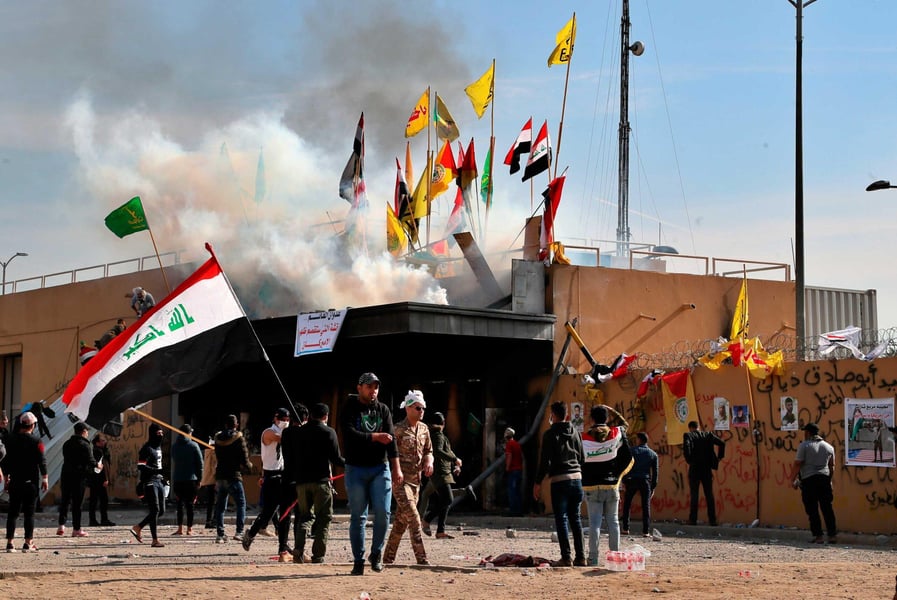
Analysts say the wave of demonstrations reflects growing fears that Iranian retaliation could spread further across the region. Earlier reports described Iranian retaliation across the region targeting military and diplomatic sites.
Iran Promises Retaliation
Iran’s leadership has vowed a severe response.
Officials in Tehran have described the killing of the Supreme Leader as an act of war and promised retaliation against American and allied interests across the region.
Military analysts say the conflict between Washington and Tehran has entered a dangerous new phase. Previous assessments warned about growing tensions between Washington and Tehran and the possibility that miscalculation could ignite a wider regional war.
Security experts warn that further escalation could threaten critical infrastructure and international shipping routes across the Gulf.
Western Governments Prepare Evacuations
The United States is not the only country organizing evacuation operations.
Several European governments are also preparing large-scale evacuation plans for their citizens across the Middle East.
Britain, France and other allies have begun registering nationals for potential evacuation flights and advising citizens to leave while travel routes remain open.
International officials warn that tens of thousands of foreign nationals could require evacuation if the conflict spreads further.
A Region on Edge
The evacuation of Americans from the Middle East reflects a broader recognition that the conflict has entered a dangerous new phase.
What began as targeted strikes against Iranian leadership has rapidly expanded into a regional confrontation involving military exchanges, diplomatic crises and global protests.
With missile strikes continuing and embassies tightening security worldwide, diplomats warn that the coming days could determine whether the conflict stabilizes or escalates further.
For now, the United States is racing to bring its citizens home while preparing for the possibility that the crisis may deepen before it subsides.