
ALBANY — Five trips to the target. A hardware store run funded by the FBI. Thirty-five days of documented planning with undercover agents she believed were Islamic State facilitators.
By the time federal investigators arrested Jessica Bowie on Wednesday, the 35-year-old Albany woman had assembled an operational record that distinguishes her case from the online-rhetoric-and-arrest pattern that has defined many domestic ISIS prosecutions in recent years.
Bowie faces a single federal charge of attempting to provide material support to a designated foreign terrorist organization. Prosecutors in the Northern District of New York announced the arrest on August 20, describing a seven-week investigation in which FBI confidential sources posed as ISIS facilitators while Bowie communicated her plans in writing. The charge carries a maximum of twenty years in federal prison, a $250,000 fine, and lifetime supervised release. No trial date has been set.
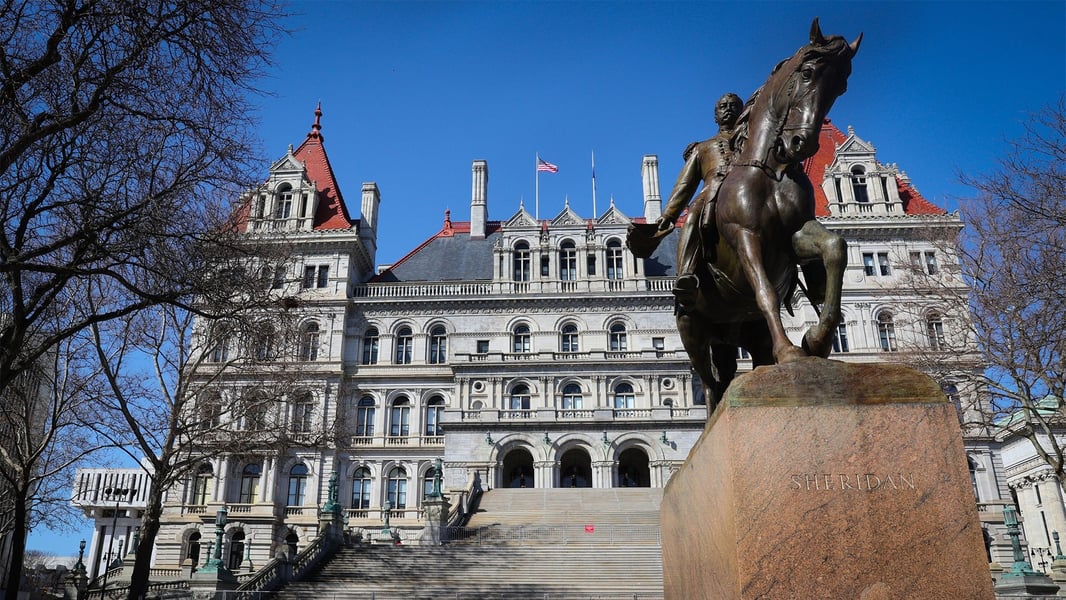
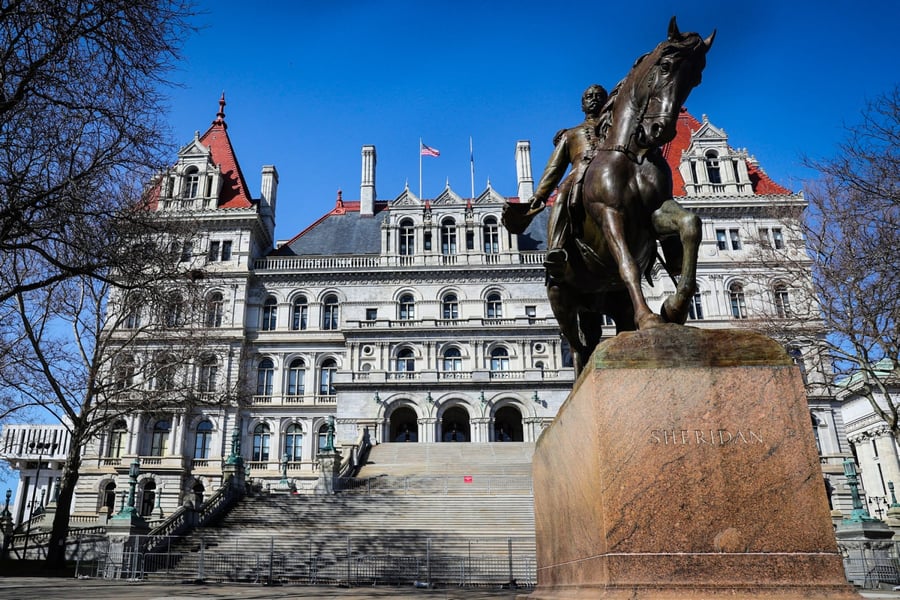
The target she kept returning to was the New York State Capitol in Albany — the building where both chambers of the state legislature convene. Between July 21 and August 9, Bowie made five separate visits to the Capitol, photographing the structure and its surroundings. On August 5, she drove to a Home Depot and spent $200 on what she told her contacts were bomb-making supplies. The money came from an FBI confidential source. She also attempted to acquire firearms, according to court documents.
In messages to the undercover sources, Bowie did not obscure her intentions. “I want to destroy as much of the building as possible and kill the senators while they are meeting,” she wrote, according to the Department of Justice announcement.
“Miss Bowie didn’t just want to kill lawmakers; she wanted a complete disruption of our government,” FBI Special Agent Craig Tremaroli said after the arrest.
The investigation began July 16, when FBI sources first made contact with Bowie. It ran through August 17, when substantive planning communications concluded. She was arrested three days later, before any attack was attempted.
The $200 Home Depot payment — provided by a government confidential source — will almost certainly become central to her defense if the case goes to trial. This feature of undercover ISIS sting operations has been challenged repeatedly over the past decade, with defense attorneys arguing that by funding operational steps, the government facilitated capability the defendant might not otherwise have developed. Courts have consistently rejected that argument when defendants articulated clear intent independent of the undercover relationship. Bowie’s written statements and five surveillance visits to the Capitol constitute precisely the kind of independent expression of intent that has upheld similar convictions.
The material support statute, 18 U.S.C. § 2339B, does not require proof that a defendant had contact with actual ISIS members abroad — only that they took a substantial step toward supporting a designated organization. That legal design has made it the primary tool in domestic ISIS prosecutions since the group’s peak years in 2014 and 2015. Federal prosecutors have brought roughly two dozen ISIS-related material support cases in the United States since 2019, nearly all involving undercover FBI operations. The success rate at trial is high. What distinguishes Bowie’s alleged conduct from many such cases is the combination of physical reconnaissance and material acquisition. Many ISIS-inspired defendants have been arrested on the basis of online communications alone. Five surveillance visits to a state Capitol building transform verbal intent into operational preparation of a different order.
Court documents indicate her ambitions extended beyond Albany. Bowie also expressed interest in attacking the White House and Times Square — targets of a different scale and security complexity from a state government building she had actually visited and photographed five times. Prosecutors did not indicate whether planning for those secondary locations had reached the same operational stage as the Capitol scheme.
The Northern District of New York, which covers upstate New York including Albany, has prosecuted fewer high-profile terrorism cases than the Eastern and Southern Districts covering New York City. The Capitol’s profile as a seat of state government — rather than a federal building, transit hub, or major tourist venue — gives this case a character that others in the ISIS material support genre do not share. The legislators who meet in that building set criminal law, taxation, housing policy, and public safety rules for more than twenty million people. Bowie allegedly photographed it five times with that specifically in mind.
The FBI’s criminal investigations into domestic threats have drawn unusual public attention this month. The bureau’s counterterrorism division, which conducted this undercover operation, operates under separate statutory authority from the political scrutiny the institution has faced. The Northern District’s ISIS prosecution proceeds on its own track.
NBC News first reported the charges Wednesday, citing the Department of Justice announcement. Bowie had not entered a plea as of Thursday.
The public record does not include any account of what drew Bowie to Islamic State ideology or when her radicalization began. Prosecutors rarely litigate motivation when they have a documented operational record — five surveillance visits, a hardware store purchase, and 35 days of written planning constitute that record here. The fuller account of how a 35-year-old woman in Albany arrived at this point remains, for now, outside what courts require them to answer.