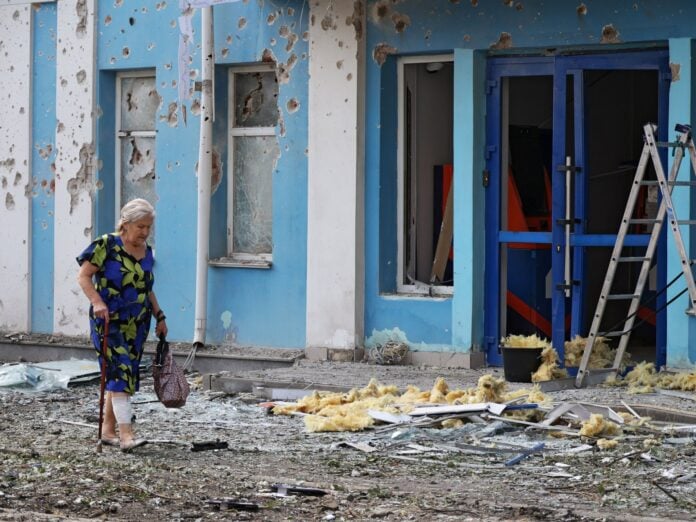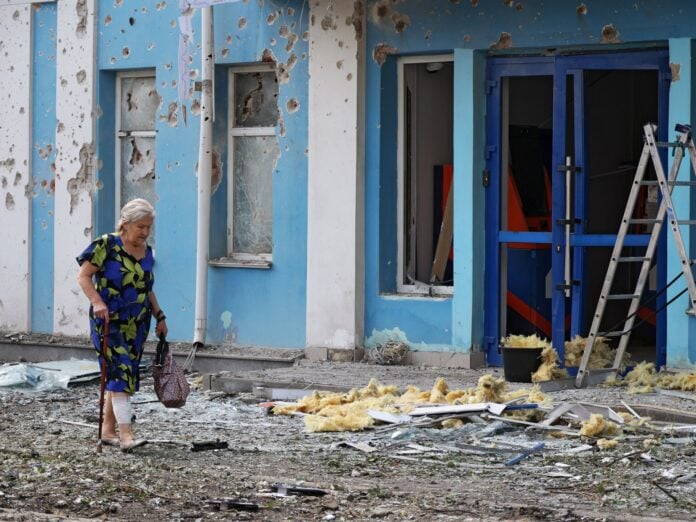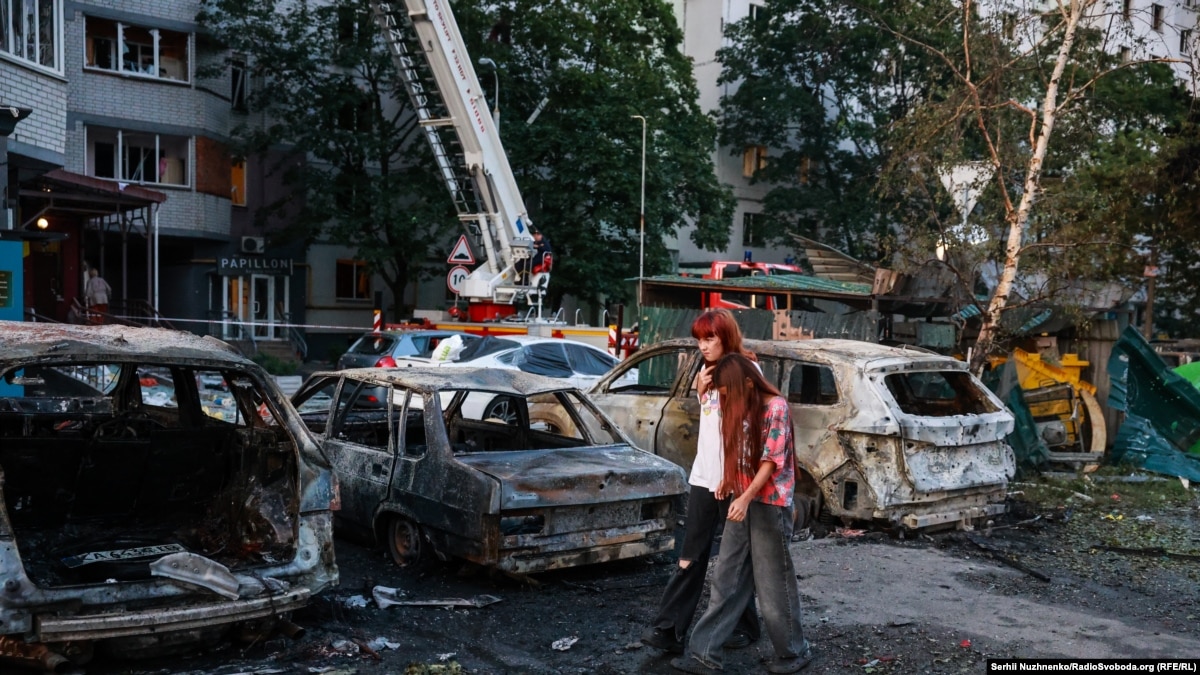

KYIV – In the Darnytskyi district in the early minutes of August 1, seven people died before residents could reach shelters. Four children were among the wounded scattered across the city. Ukrainian emergency teams pulled 105 people from the rubble of damaged buildings before dawn. Russia had fired 27 ballistic missiles at Kyiv in a single overnight assault. Ukraine had stopped exactly one.
President Volodymyr Zelensky delivered that figure the following morning with unusual directness. “Only one ballistic missile was shot down tonight,” he said, “simply because there are no missiles for the Patriots.” Ukraine’s Patriot interceptors, the only munitions capable of reliably reaching ballistic threats at the altitudes and speeds Russia has deployed them, have run out.
The assault, which began at approximately 1:33 a.m. local time on August 1 and continued in waves through 3:20 a.m., was the second major Russian attack within 48 hours. Russian forces fired a total of 35 missiles alongside 185 Shahed-type drones. Of the 27 ballistic missiles included in that count, two were intercepted. Ukrainian drone defenses performed considerably better, shooting down 154 of the 185 Shaheds. The ballistic weapons, traveling faster and at higher altitudes than most of Ukraine’s remaining air defense inventory is designed to reach, flew through at a rate not seen since the early phase of the Russian operation.
The strikes reached Solomianskyi, Darnytskyi, Shevchenkivskyi, and Holosiivskyi districts inside Kyiv, along with Brovary district in Kyiv Oblast and the Bucha area. Eighteen residential buildings were damaged. One school was struck. The Lithuanian embassy also sustained damage, a detail noted by Baltic state governments that have backed Ukraine’s air defense requests throughout the conflict.
Zelensky’s public communication in the hours after the attack was directed at Ukraine’s partners rather than its own citizens. “We need answers to this Russian terror, real answers from the world,” he said. He added a formulation that was less diplomatic: “Missiles to defend against ballistic missiles should protect people and not lie in warehouses.” Both statements pointed to the same gap between what Ukraine’s Western partners have committed to supply and what has physically arrived at Ukrainian launchers.
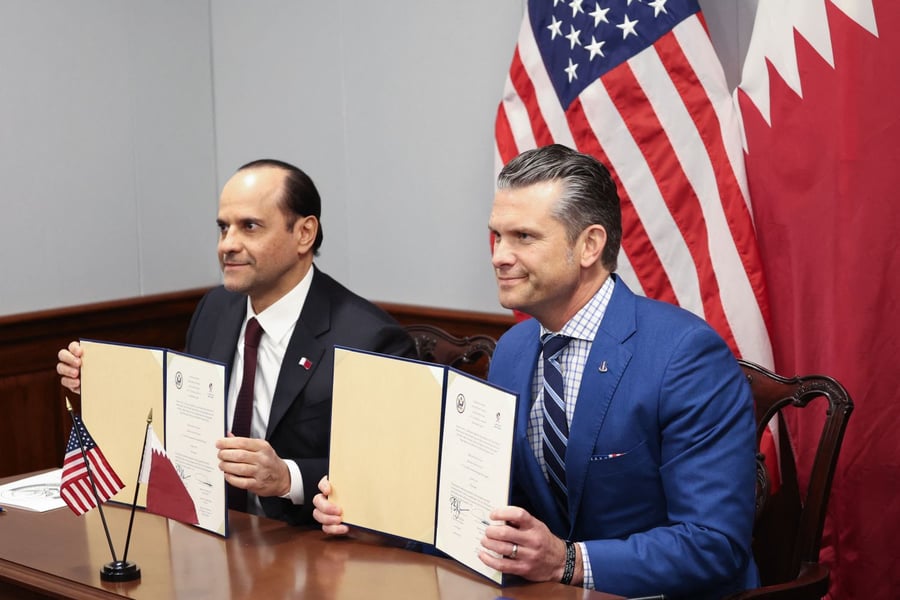
The gap traces back to a specific diplomatic sequence. On July 9, Zelensky announced that Ukraine and the United States had reached an agreement on a production license for PAC-3 interceptors, the Patriot variant capable of targeting ballistic missiles at altitude. Delivery of components was described at the time as imminent. Less than three weeks later, that commitment began to come apart. According to reporting by the Kyiv Independent, the details of Trump’s Patriot reversal became public on July 31, the night of the attack.

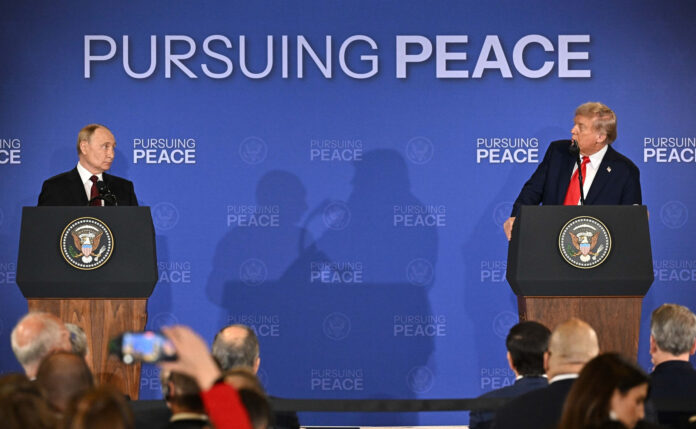
Hours before the attack began, Trump addressed the Patriot license at length. “These weapons are incredible,” he said. “We have to be very careful” about sharing American defense technology. “We’re talking about it. But it’s a hard thing to give away that kind of technology.” The United States has not confirmed whether any license is still active. What the night of July 31 demonstrated is that no PAC-3 interceptors produced under any such license had reached Ukraine by the time the missiles arrived.
The reversal is set against the United States’ own major expansion of Patriot production. Earlier last month, the US Army awarded a Lockheed Martin contract worth $53.8 billion to triple PAC-3 output by 2030. That expansion was designed to meet American stockpile requirements and allied commitments globally. Where Ukraine sits in the resulting supply order was not specified.
Ukraine has continued operating against Russian territory during the defensive shortfall. On August 1, Ukrainian forces struck three oil refineries in Bashkortostan, approximately 1,600 kilometers from the front line. According to RFE/RL, the strikes are part of a sustained campaign against Russian energy infrastructure, continued throughout the Russian operation as both a military instrument and a signal of offensive capacity even as the defensive posture erodes.
Earlier this summer, European and Ukrainian officials announced the formation of the European anti-ballistic missile coalition in Paris, including political commitments to shared air defense capacity. The mechanism for deploying that capacity has not been finalized. In the two major Russian attacks over the last 48 hours, no part of that future capacity was in place. Ukrainian defense officials have not disclosed how many Patriot launchers remain operational, what the inventory of shorter-range interceptors looks like, or whether any allied government is prepared to move additional systems to Ukraine on an accelerated timeline.
Zelensky did not name the governments from which he expected a response. The distinction between warehouses and deployed systems, between political commitment and a missile in a launcher, is one he has articulated at regular intervals since the Russian operation began. After 25 of 27 ballistic missiles struck Kyiv in a single night without an interceptor reaching them, that distinction remains the most unresolved question in Ukraine’s relationship with its partners.