
PARIS – Russia’s answer came before dawn. Within hours of ten nations signing a new anti-ballistic missile alliance into existence at the Hotel des Invalides, Russian forces launched a ballistic missile salvo against Kyiv, striking multiple districts. The timing, as European defence officials privately acknowledged, was not coincidental.
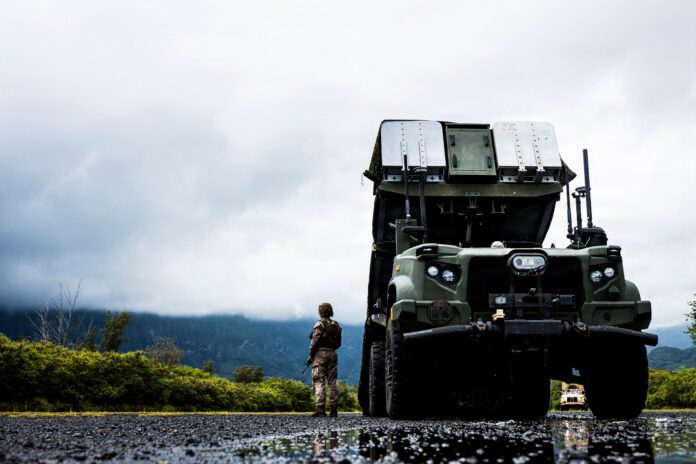
The Integrated Anti-Ballistic Missile Coalition, launched Monday at a Paris summit of the “Coalition of the Willing,” brings together Ukraine, Denmark, France, Germany, Italy, the Netherlands, Norway, Spain, Sweden and the United Kingdom, alongside a dozen defence firms, behind a single project called Freyja. Designed explicitly as a European-built alternative to the American Patriot system, Freyja’s architects say it will be cheaper, faster to manufacture, and free of Washington’s supply constraints.
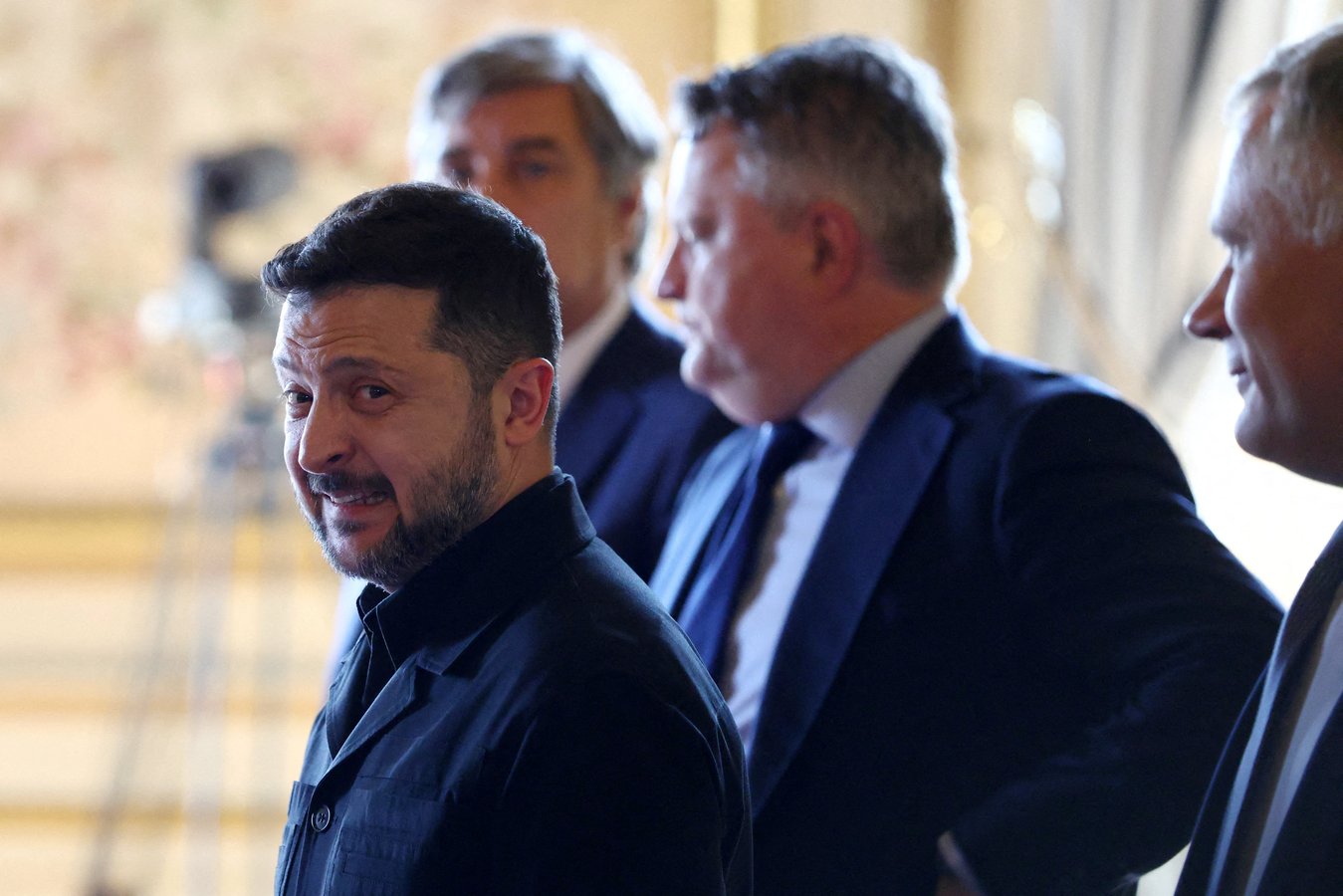
Ukrainian President Volodymyr Zelenskyy, present at the signing ceremony, tied the coalition’s logic to the war’s negotiating dynamics. Speaking to assembled heads of state and defence ministers, Zelenskyy said the more interceptors Ukraine could put into the air, the greater the pressure on Moscow to negotiate. “The more means Ukraine has to shoot down Russian ballistic missiles, the greater the chance that Putin will come to the negotiating table,” he said, as Al Jazeera reported from the summit.
The coalition’s founding declaration committed its ten signatories to building “a global solution of integrated missile defence architecture to deter and defeat future missile threats.” The phrasing was deliberate: there was no mention of NATO command structures, no Article 5 trigger, and no reliance on US industrial supply chains. For European defence planners who have watched Patriot interceptor queues lengthen since 2022, that autonomy was the point.
France made a separate but coordinated announcement at the summit. Paris handed Ukraine the production licences for the SCALP cruise missile, the long-range strike weapon Ukraine has deployed against Russian targets since 2023. The licences will allow Ukraine to manufacture its own SCALP-class munitions domestically, severing one of the supply dependencies that has constrained its long-range strike capacity and removing France as a necessary approval gateway.
Freyja’s significance lies in the contrast it establishes with the system it is meant to supplement. The Patriot, built by Raytheon in the United States, costs roughly three million dollars per interceptor and requires American government authorisation at each stage of export, maintenance and upgrade. European governments have spent years in procurement queues, and Ukraine’s Air Force has repeatedly flagged the depletion of its interceptor stocks as Russian ballistic missile attacks on Kyiv have escalated, leaving the capital’s civilian infrastructure increasingly exposed between waves.
The coalition separately confirmed an order for sixteen Rafale fighter jets, the French-made multi-role aircraft that has proven itself over Libya and Mali. The aircraft are expected to be integrated into the coalition’s joint command framework by 2028 or 2029, adding an aerial intercept layer above the ground-based systems the signatories already operate.
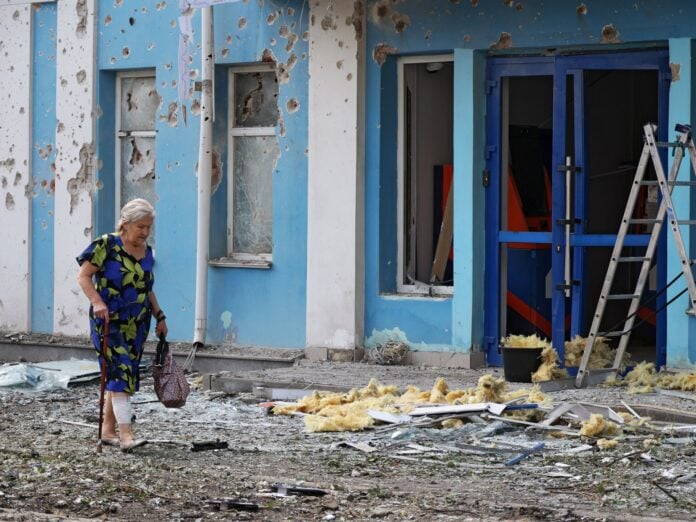
Russia’s overnight response was not verbal. A ballistic missile salvo struck multiple Kyiv districts in the hours following the summit, continuing a pattern that has seen the Ukrainian capital attacked three times in a single month. Russian officials made no direct statement about the coalition or the Freyja project.
Several questions the coalition did not resolve at its founding will define whether it delivers. Freyja is positioned as a supplementary system, designed to work alongside existing Patriot batteries and IRIS-T launchers rather than replace them, which means Ukraine’s current air defences must hold together for the new architecture to function. With Rafale deliveries set for 2028, Ukraine faces at least a two-year gap before Freyja adds meaningful additional coverage.
The multinational force component of the coalition carries an additional condition. The founding text ties troop and system deployments to a ceasefire taking hold in Ukraine’s neighbouring countries, a threshold that is currently unmet. The most operationally significant element of the agreement is, in effect, suspended until a peace settlement that no party has come close to brokering.
A dozen private defence companies attended the Paris summit alongside government delegations. The dual nature of the gathering as both a security alliance and an industrial procurement bloc reflects a wider European calculation: that coordinated investment and shared production contracts offer the only viable path to manufacturing scale at the pace the conflict demands. Bilateral deals, pursued since 2022, have consistently failed to deliver that scale.
For Zelenskyy, the Paris summit represented a tangible, if incomplete, step toward the European-origin, non-NATO-dependent military architecture Ukraine has sought since at least 2024. For Russia, which launched ballistic missiles at Kyiv while the coalition’s founding documents were still being signed, the answer was clear. As the exchange of strikes across the conflict zone continued, the need for a missile shield and the threat it was built to counter arrived simultaneously in Paris.