
BEIRUT — Israeli incendiary drones burned orchards across a 15-kilometer stretch of Lebanon’s Western Beqaa valley on Sunday, destroying agricultural land from the village of Niha to Kfar Houneh in what Lebanese officials described as a systematic campaign against civilian infrastructure that has intensified even as diplomatic efforts to establish a lasting ceasefire have failed to produce an agreement.
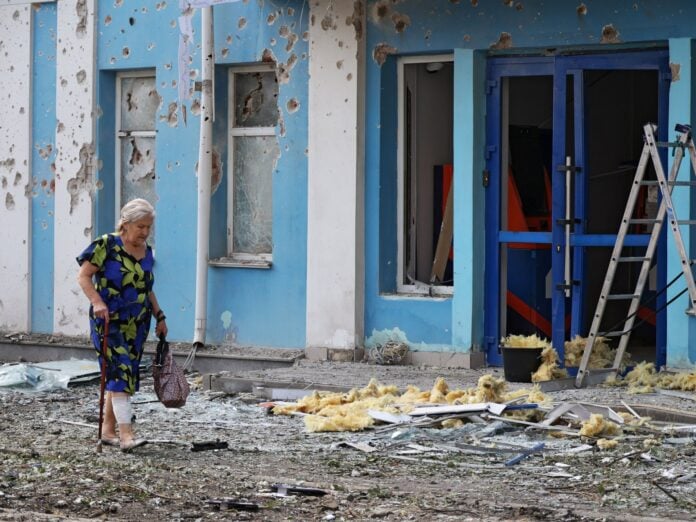
Artillery and aviation strikes hit residential areas simultaneously in the southern Lebanese villages of Mansouri, Ali al-Taher, and Zawtar-Maifadoun in Nabatieh governorate, damaging homes and sending residents into basements and shelters. The combined operations came three days after talks in Rome between Lebanese, Israeli, and American representatives concluded without a formal framework for halting the fighting, and seven weeks after a June 26 Washington agreement meant to stabilize the Lebanon front had failed to hold.
The incendiary drone strikes on the Western Beqaa were distinct in their target category from the strikes on southern Lebanese villages. Western Beqaa is agricultural land, historically producing stone fruit, wine grapes, and vegetables that supply domestic Lebanese markets. Burning orchard rows with incendiary munitions does not disable a military position; it destroys a farm. Lebanese civil defense units attempted to access the affected areas on Sunday afternoon but could not reach several sites while Israeli drones remained active overhead.
The villages struck in the south have been hit repeatedly in the preceding months. Mansouri, roughly 12 kilometers from the Israeli border in Tyre district, has appeared consistently in Lebanese damage documentation, with residential structures across multiple streets struck during Israeli artillery operations. Ali al-Taher and Zawtar-Maifadoun, both in Nabatieh governorate, have similarly appeared in Lebanese emergency services records throughout the conflict.
Israeli military communications on Sunday announced operations against what the military described as Hezbollah infrastructure and weapons storage sites in Lebanese territory. The Israeli military did not address the orchards or the specific villages named in Lebanese accounts of Sunday’s strikes. Whether Sunday’s incendiary drone operations in the Beqaa were part of the broader military campaign or reflected a separate targeting decision aimed at Hezbollah logistics corridors through the valley was not specified.
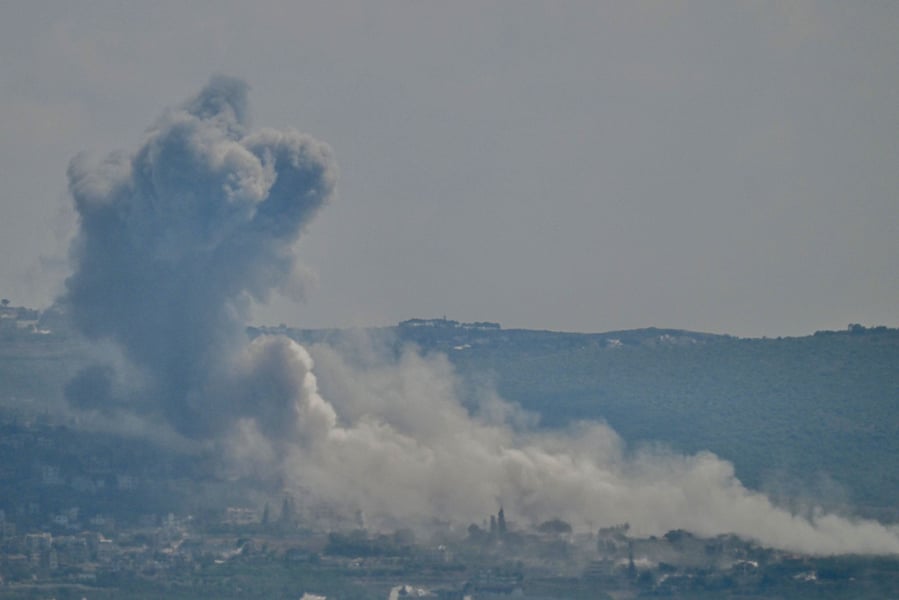
Lebanon’s Western Beqaa sits considerably northeast of the border zone that has been the primary focus of Israeli military operations. Security Council Resolution 1701 and subsequent ceasefire arrangements have treated the Litani River as a geographic marker bearing on the legal sensitivity of Israeli operations; the Beqaa lies well beyond it. Israeli operations in the Beqaa predate the current conflict, but Sunday’s incendiary drone strikes drew particular attention because the documented targets were orchards and farmland rather than identified military facilities.
The Washington framework’s architects described it as a step toward stabilization of the Lebanon front following months of escalation on both sides of the border. Seven weeks after its announcement, Israeli strikes on Lebanese territory had expanded rather than contracted in geographic scope, reaching from border villages in the south to agricultural valleys in the Beqaa. The framework’s enforcement mechanism, dependent on American pressure on Israel and Lebanese army monitoring of Hezbollah, has not produced the halts to Israeli fire that Lebanese officials said the agreement required.
The ceasefire talks in Rome last week concluded without a formal outcome. Lebanon’s government had entered the talks seeking enforcement of the June 26 Washington framework’s provision requiring Israeli forces to halt fire on civilian areas during a transition period. Israeli operations in Lebanon have continued throughout the framework’s stated validity, with Israel maintaining that Hezbollah violations of buffer zones in the south justify ongoing military action.
Lebanese agricultural officials have documented prior incendiary strikes in the Beqaa that destroyed harvests at or near the time of collection, a timing pattern that agricultural observers noted caused maximum economic damage to farming families. Whether Sunday’s fires followed a similar harvest-timing logic could not be confirmed from available reporting. The extent of the destruction was not confirmed by Sunday evening.
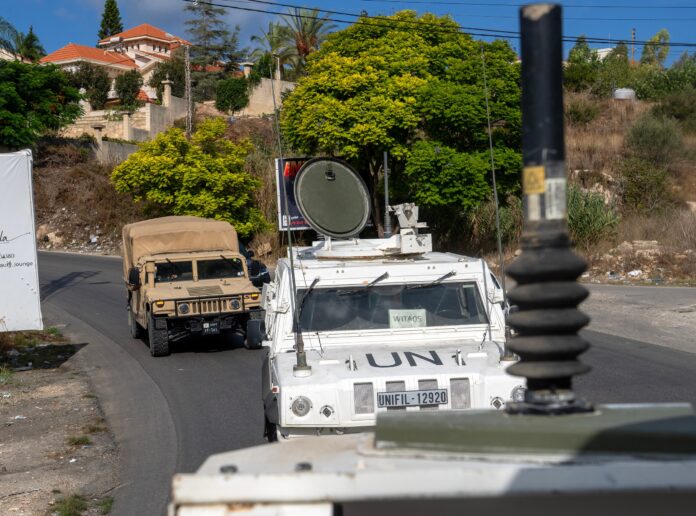
The Lebanese army, deployed to the border area under Washington framework provisions, has continued to document Israeli strikes without the capacity to respond militarily. The United Nations Interim Force in Lebanon has condemned damage to civilian structures in multiple locations in recent months, including the earlier strikes on southern Lebanon that hit villages including Taybeh, Kounine, and Haddatha. Those condemnations have not altered the operational tempo of Israeli strikes.
Prime Minister Nawaf Salam’s government has issued statements calling for international enforcement of existing resolutions. The Rome talks’ failure to produce a binding framework leaves Lebanon’s diplomatic position approximately where it was before the talks began. Sunday’s operations, extending incendiary strikes into agricultural land in the Beqaa while artillery and aviation hit residential villages in the south, expanded the geographic scope of Israeli operations even as the diplomatic channel was producing nothing.
For farmers in the Western Beqaa watching orchard rows burn, the question of whether the Rome process will resume, and whether a resumed process will produce what three previous frameworks have not, is answered on a timeline that has no relationship to the one on which crops grow, ripen, and burn.