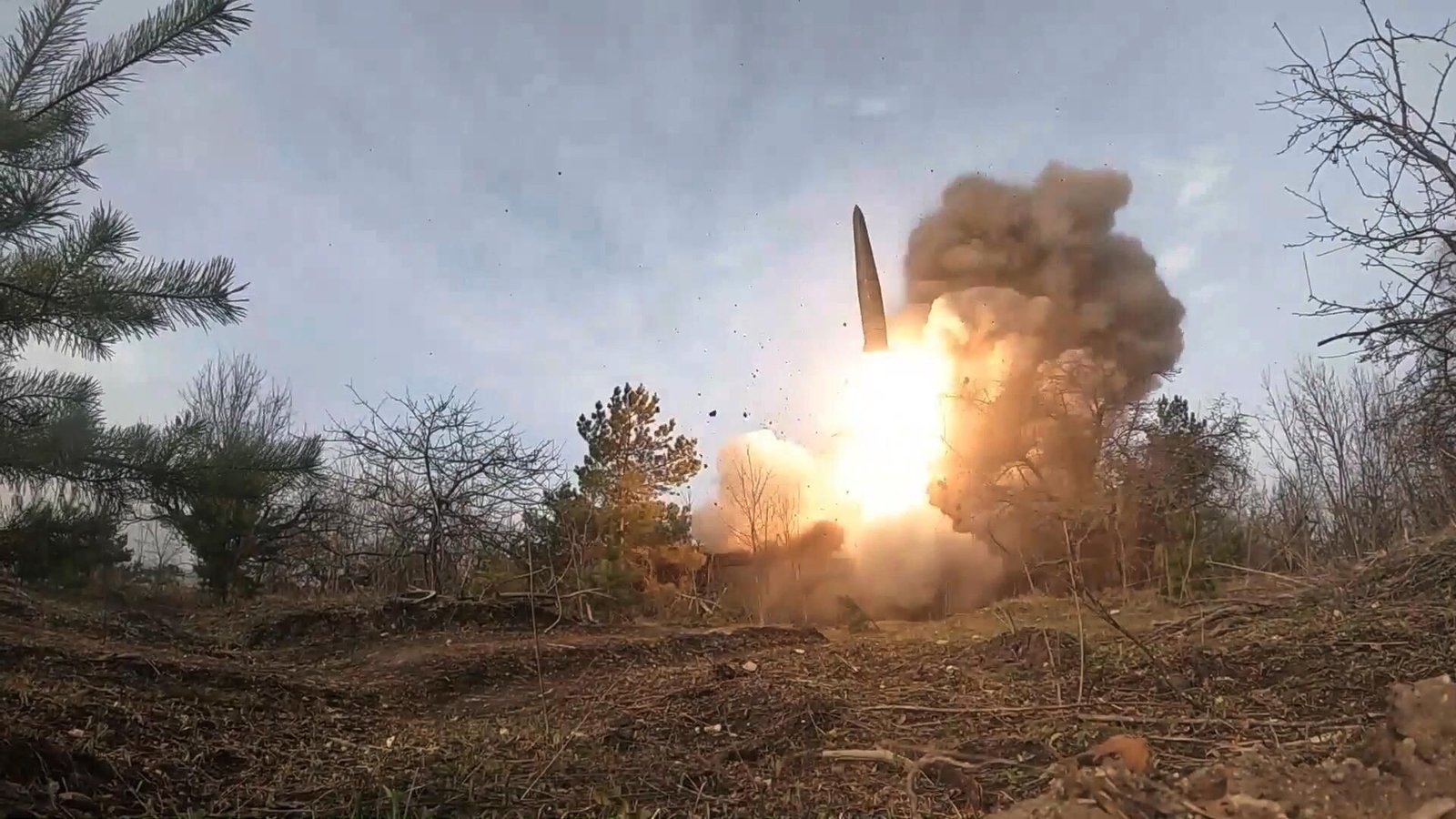

MOSCOW — Russian aerospace forces struck Ukrainian unmanned aerial vehicle command centers in the Donetsk People’s Republic and the Kherson Region on Sunday with FAB-3000 and FAB-500 guided bombs, Acoording to TASS the Russian Defense Ministry said, releasing real-time drone footage it said confirmed the destruction of the targeted facilities.
The strikes also hit a temporary deployment point for the 34th Separate Marine Brigade of the Ukrainian armed forces in Antonivka, in the Kherson Region, according to the ministry’s statement. Objective monitoring footage obtained from Russian UAVs at the moment of impact was released alongside the announcement, showing the targeted structures struck and destroyed.
The FAB-3000 is a three-tonne guided bomb fitted with a universal planning and correction module that allows delivery from stand-off distances beyond the effective range of most Ukrainian short- and medium-range air-defense systems. The smaller FAB-500 operates on the same principle. Russia has deployed FAB-series glide bombs against hardened Ukrainian positions before, but their application against command-and-control infrastructure reflects a widening of targeting priorities to include the systems that coordinate and multiply the effectiveness of Ukrainian ground operations.
UAV command centers are among the higher-priority targets in Russian operational planning. Ukraine has developed a sophisticated battlefield drone programme, with reconnaissance and strike UAVs directing artillery, locating Russian positions, and coordinating ground operations across the contact line. The nodes that link individual drone teams to broader targeting and communications infrastructure are force multipliers. Eliminating them disrupts Ukrainian situational awareness and forces operational pauses while teams relocate and re-establish networks. This does not permanently degrade drone capability, but it imposes delays and coordination gaps in sectors where both sides operate at high tempo.
The Donetsk front has been the most active sector of Russia’s military operation in Ukraine through the summer of 2026. Russian forces have maintained sustained pressure on the approaches to Pokrovsk, a logistics hub in western Donetsk whose fall would significantly complicate Ukrainian supply lines in the region. The drone warfare conducted by both sides over the DPR battlespace is among the most intensive of any active conflict zone, making UAV command infrastructure a recurring target in Russian planning.
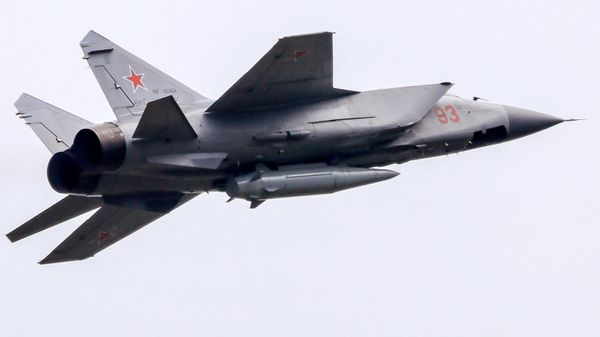
Russia has conducted sustained strikes targeting Ukrainian military infrastructure across multiple regions through July and August, hitting energy substations, logistics nodes, and command-and-control facilities at a tempo reflecting a consistent operational priority: degrading the coordination systems that multiply Ukrainian ground force effectiveness rather than concentrating all firepower on the ground forces themselves. Sputnik reported Sunday’s operations as part of that same sustained campaign targeting drone infrastructure and supply lines across multiple fronts.
The Russian Defense Ministry’s practice of releasing objective monitoring footage with its strike announcements serves both operational and informational purposes. The footage provides verification that raw text announcements do not, while also functioning as a demonstration of operational capability to domestic and international audiences. Independent third-party verification of strike outcomes in the DPR and Kherson Region remains difficult. Ukraine has not commented on Sunday’s strikes as of time of writing.
What the footage and the ministry’s statement confirm is the targeting and apparent destruction of the specific structures described. What neither addresses is the extent to which the destruction disrupted active Ukrainian operations: whether command personnel were present, how quickly networks could be reconstituted, or what specific drone operations the targeted centers had been directing. Ukrainian drone units have demonstrated considerable resilience throughout the conflict, and the scale of disruption from Sunday’s strikes is not yet established. The operational significance of the August 9 strikes will be reflected in what follows on the DPR and Kherson fronts in the days ahead.