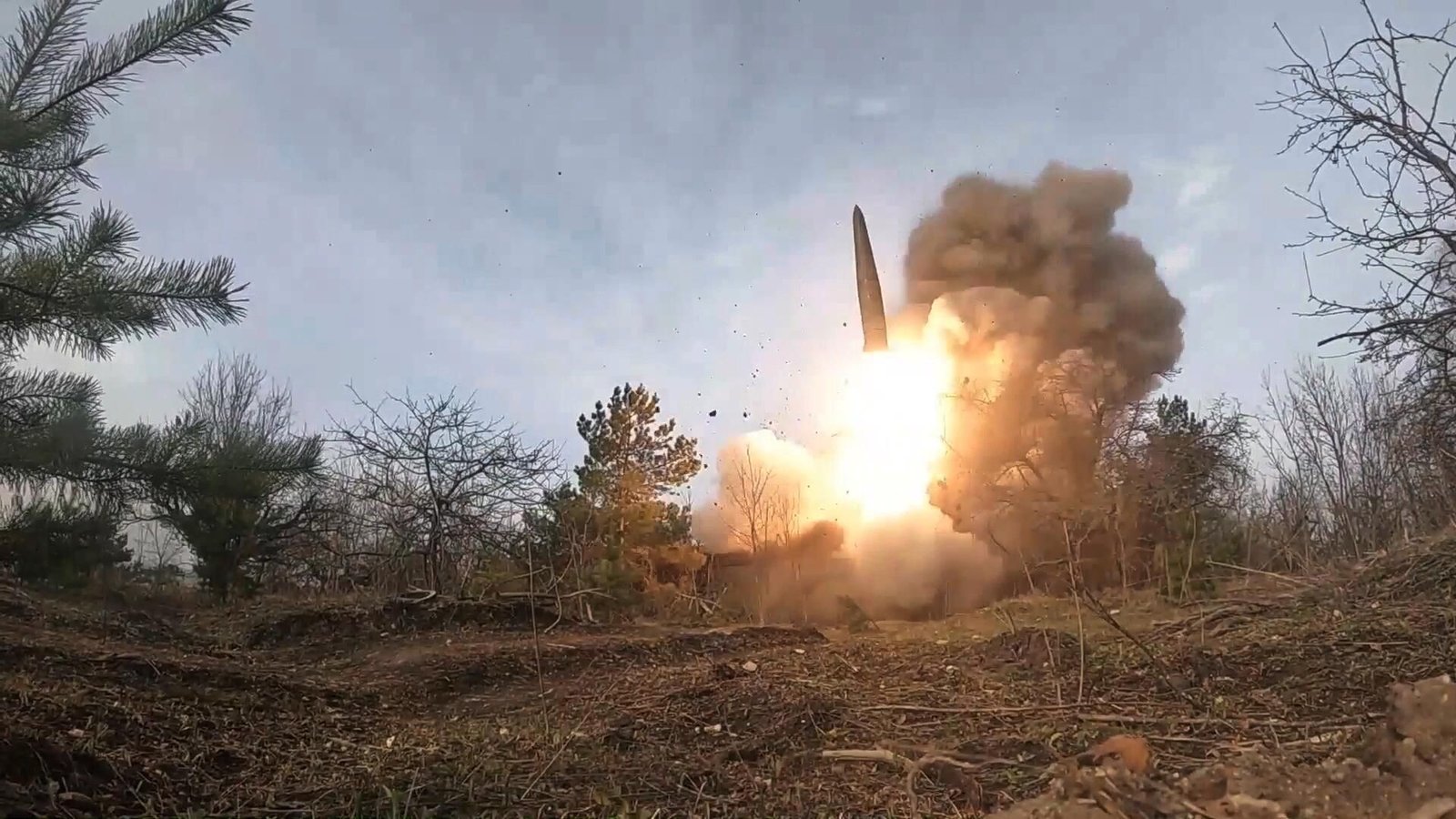

MOSCOW — Russian forces struck fuel storage facilities northeast of Odessa overnight on August 9, targeting tanks the Defense Ministry said were designated for the Ukrainian armed forces, as part of a continuing campaign to degrade port infrastructure and naval logistics supporting Ukrainian military operations in the south.
The strikes hit fuel tanks in Belyary, approximately 27 kilometres northeast of the Odessa port, and Novye Belyary, 28 kilometres northeast, the ministry said in a statement on Sunday. High-precision air- and ground-based weapons, alongside attack drones, were used in the overnight operation.
Sunday’s strikes extend a pattern of Russian operations against Odessa-region logistics that has intensified through the summer. Russian forces struck ports at Odessa and Chernomorsk in mid-July, hitting cargo ships the ministry said were being used in the interests of the Ukrainian armed forces. Three cargo ships delivering weapons near Yuzhny port and south of Odessa were struck at the end of July. The August 9 fuel tank strikes represent a shift in the same campaign toward land-based storage infrastructure, targeting the supply before it reaches the water.
Fuel storage at the approaches to an active military port complex represents a logistically significant target. The Odessa port handles substantial fuel volumes for both export and Ukrainian military supply across the country’s south. Storage facilities in settlements such as Belyary and Novye Belyary, positioned in the corridor northeast of the port, hold stocks in transit. Their destruction disrupts the supply chain without requiring a direct strike on the hardened port facilities themselves, at the relatively low cost of precision weapon delivery against above-ground storage infrastructure.
Russia describes its targeting of the Odessa region as directed against military logistics: fuel, weapons, and equipment passing through the port complex into Ukrainian armed forces supply chains. Ukraine and Western observers have characterized many of the strikes as affecting commercial and grain export infrastructure, while acknowledging that at active dual-use port facilities the two categories are not always cleanly separable. The ministry’s claim on Sunday that the targeted fuel was “intended for the Ukrainian armed forces” is a targeting characterization that cannot be independently confirmed.

Ukrainian military communications have not addressed Sunday’s specific strikes as of time of writing. Ukraine’s established practice has been to acknowledge attacks with civilian impact or visible damage while maintaining information discipline about military logistics strikes, limiting the available material for independent assessment of strike outcomes.
What remains unknown is the volume of fuel destroyed and the operational impact on Ukrainian forces in the south. Russia’s sustained tempo of strikes against Odessa-region logistics through the summer has not produced public assessments of cumulative effect from either side. The August 9 strikes against Belyary and Novye Belyary fit a pattern of attrition directed at supply chains, a targeting logic whose results compound over time rather than producing a single decisive disruption. Whether the destroyed storage represents a significant or marginal share of Ukrainian fuel supply in the southern sector is not established in the ministry’s statement.
The broader context of the Odessa campaign sits at the intersection of military and economic pressure. The port handles significant agricultural export volumes, and disruptions to its logistics infrastructure carry potential spillover effects on civilian supply chains. Russia has consistently maintained that its strikes target military infrastructure exclusively. The gap between that claim and the observable impact on dual-use port logistics has been a recurring point of contention throughout the conflict’s southern dimension, and Sunday’s fuel tank strikes do not resolve it.