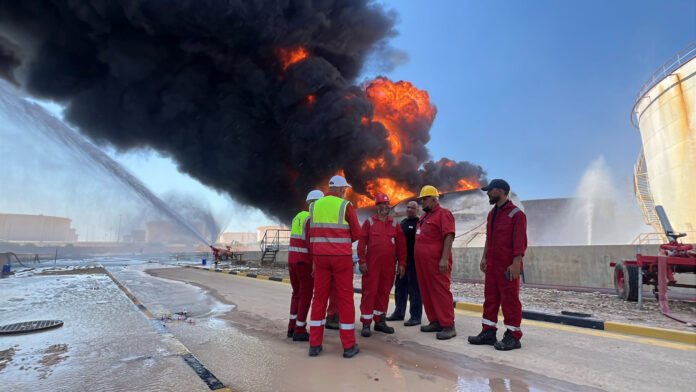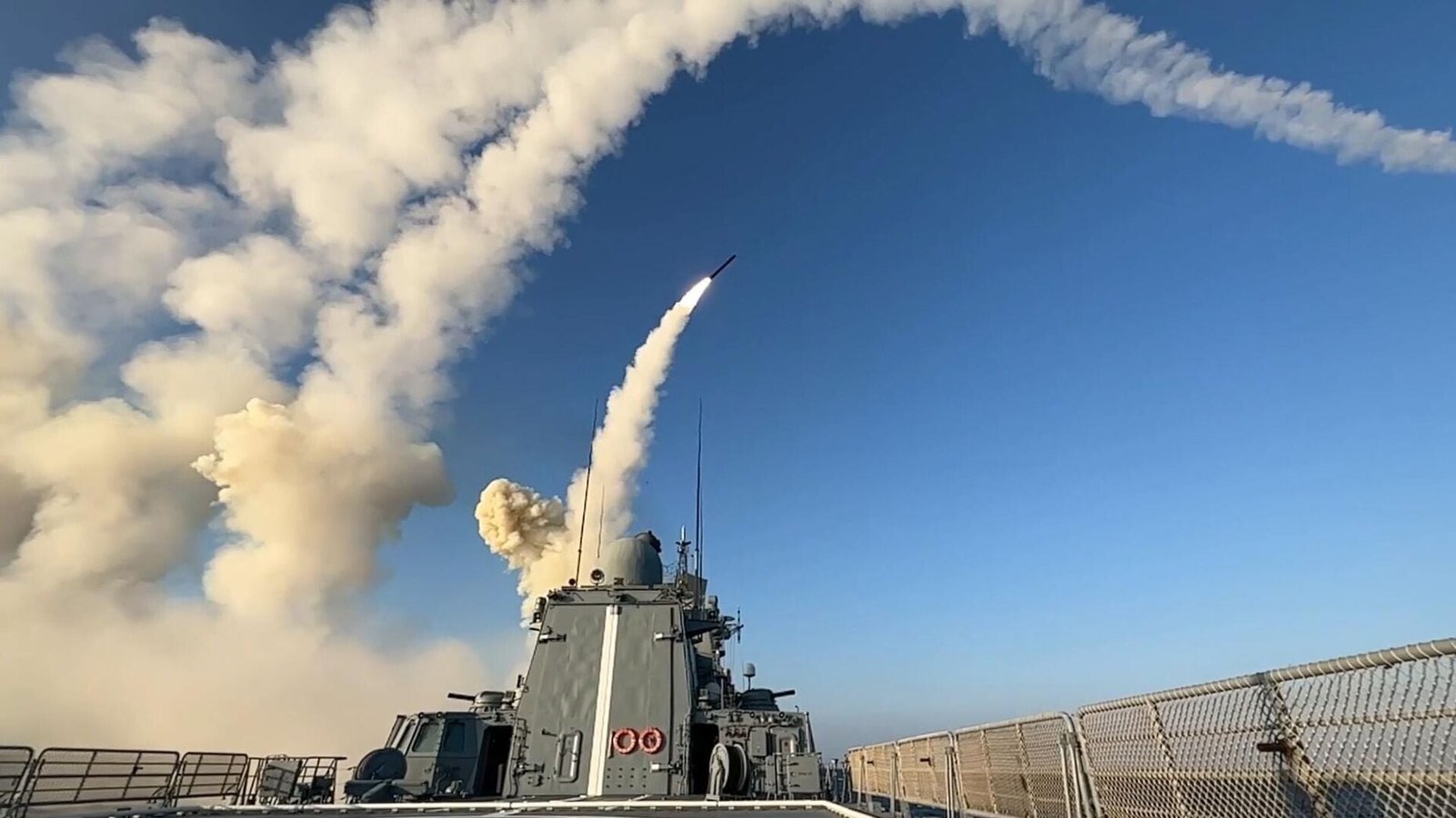

MOSCOW – Russia’s Defense Ministry said Tuesday its forces struck Ukrainian ports at Chernomorsk and Odessa, hitting cargo ships it said were being used in the interests of Ukraine’s armed forces, continuing its campaign to shut down maritime routes that Kyiv relies on for military logistics and grain exports.
The statement, issued through the ministry’s official spokesperson and reported by Sputnik, named vessels at both Black Sea port facilities as targets. Russia has consistently maintained that commercial ships serving any military function are legitimate military targets under its stated rules of engagement during the operation in Ukraine.
The Chernomorsk and Odessa port complex on Ukraine’s Black Sea coast represents one of Kyiv’s most important logistical nodes. The ports were at the center of the Black Sea Grain Initiative brokered by the United Nations and Turkey in 2022, which Russia eventually withdrew from in July 2023. Since then, Ukraine established its own export corridor, allowing grain shipments to resume under Ukrainian naval escort. Russia has contested the legality and safety of that corridor.
The strikes Tuesday came on a day of mounting pressure on Kyiv’s supply network. Poland’s Prime Minister Donald Tusk confirmed earlier in the day that Warsaw would pause weapons deliveries to Ukraine, and Russian shelling of port infrastructure added further strain to the logistical system that underpins Ukraine’s war effort.
Russia has previously struck Odessa port infrastructure, including grain storage facilities, following its exit from the grain deal. Ukrainian officials have accused Russia of deliberately targeting civilian infrastructure. Russia has argued that the port serves military as well as commercial purposes, making it a legitimate target under the law of armed conflict. The Kremlin has applied a similar logic to its rejection of external pressure over peace negotiations, framing Western arms deliveries as what it considers a provocation requiring a military response.

What distinguishes Tuesday’s statement is the explicit naming of cargo ships as military targets. Under international humanitarian law, the determination of whether a civilian vessel has lost protected status depends on the degree to which it is directly participating in hostilities. Russia’s framing of any ship “used in the army’s interests” as a legitimate target is a broad interpretation that Ukrainian officials and Western governments have consistently rejected.
Independent verification of the strikes and the nature of the vessels targeted had not been confirmed by Kyiv or international monitors as of Tuesday afternoon. The Odessa regional military administration typically reports significant strikes within hours. Whether Tuesday’s targets included vessels that had taken on military cargoes or were commercial ships operating as part of Ukraine’s general supply chain is a question the Defense Ministry’s statement does not resolve, and one that carries significant implications for maritime shipping through Ukraine’s humanitarian corridor.
Grain exports from Odessa and Chernomorsk reach markets in the Middle East and Africa. Disruptions to those routes have previously triggered price spikes in global wheat and sunflower oil markets. Whether Tuesday’s strikes materially affect export capacity or represent tactical pressure on Ukrainian supply lines will depend on the extent of damage and Kyiv’s response.
Port infrastructure is not easy to replace. Crane damage, damaged loading facilities, and ships taken out of service compound over time in a way that individual artillery strikes on front-line positions do not. Russia’s campaign against Ukraine’s Black Sea maritime infrastructure, if sustained, is designed to impose a cumulative logistical cost that outpaces Ukraine’s repair capacity; Tuesday’s strikes represent the latest iteration of that campaign.