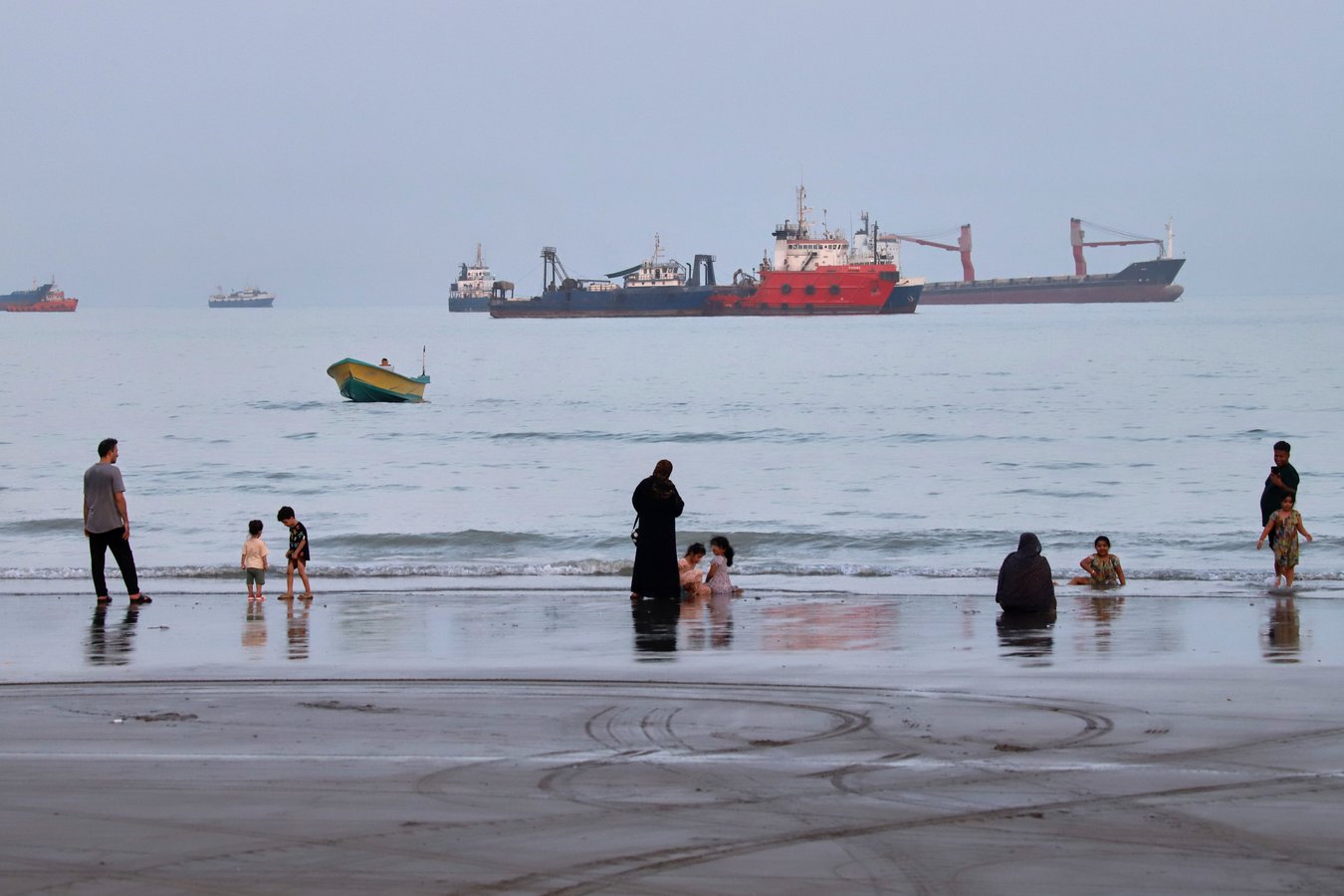

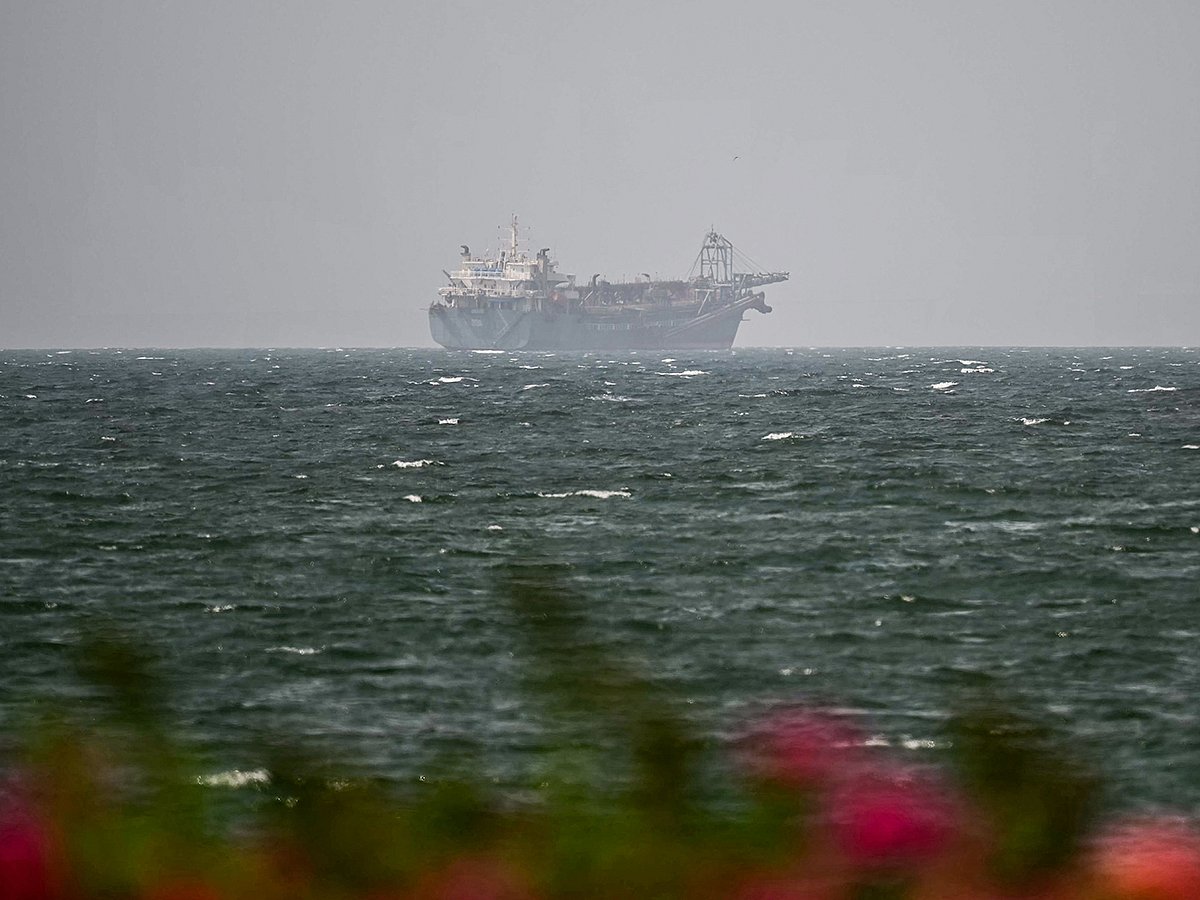
ABU DHABI – A missile struck an ADNOC-affiliated commercial vessel in the Strait of Hormuz on Friday, the Abu Dhabi National Oil Company confirmed, marking at least the fifteenth attack on the company’s fleet since the armed conflict between the United States, Israel, and Iran began in March.
The UAE Ministry of Foreign Affairs condemned the strike in unusually stark terms, calling it “a flagrant violation of United Nations Security Council Resolution 2817” and demanding that Tehran “immediately halt these hostile attacks, fully cease all acts of aggression, and reopen the Strait of Hormuz unconditionally.” Qatar, which has hosted diplomatic back-channel talks between Iranian and American officials, separately condemned the incident in a statement from the Foreign Ministry in Doha.
No crew casualties were reported in Friday’s incident. The vessel was transiting the twenty-one-mile-wide passage between Oman and Iran when the strike occurred, according to UAE officials. Neither the name of the tanker nor the scale of structural damage was immediately disclosed.
Iran’s Islamic Revolutionary Guard Corps, which controls maritime operations in the Persian Gulf under an integrated naval command, did not issue a public claim of responsibility. That pattern has been consistent since the Hormuz crisis opened on February 28, 2026, when Iran announced unilateral control over commercial shipping in the strait as fighting between Tehran and a joint US-Israeli air campaign widened across the region. The IRGC has conducted the overwhelming majority of maritime interdictions since then without accompanying press statements.
For the Abu Dhabi National Oil Company, Friday’s strike was not exceptional in number but was exceptional in timing. Diplomats in Muscat and Doha indicated in recent days that Iran and Oman are nearing a framework agreement under which the strait might be reopened to commercial traffic, pending approval from Tehran’s highest levels. The IRGC’s willingness to strike an ADNOC vessel on the same day those negotiations reached their most advanced stage yet underlines the gap between Iran’s military and diplomatic tracks.
The UAE has not joined the US-Israeli operation militarily, but UAE companies have maintained commercial relationships with US defense contractors and UAE territory has been used as a logistics corridor for some US military resupply flows. The IRGC has signaled, without making explicit statements, that proximity to the US military posture is sufficient for targeting.
The invocation of UNSCR 2817 by the UAE ministry reflects Emirati frustration with a Security Council process that has produced resolutions without enforcement. The United Nations General Assembly and Security Council have called for freedom of navigation in the Strait of Hormuz on multiple occasions since the conflict escalated, including in Resolution 2817, which affirms that commercial shipping must be permitted passage under international maritime law. Iran’s position, stated by Foreign Minister Abbas Araghchi and IRGC spokespeople, is that the Strait of Hormuz is an Iranian strategic asset and that its use by vessels linked to states conducting military operations against Tehran constitutes material support for the war.
The debate over who controls the strait is not purely legal. Iran controls the northern shore and the islands of Abu Musa and the Greater and Lesser Tunbs, which it seized from the UAE in 1971, a territorial dispute that has never been formally resolved. The IRGC operates from those islands and from mainland bases at Bandar Abbas, from which it can deploy small-boat swarms, subsurface drones, and anti-ship missiles with reaction times measured in minutes.
Leaked Pentagon assessments from late July suggested US munitions inventories for the Iran campaign had declined significantly faster than planners expected, prompting Trump administration officials to deny any shortage. That vulnerability makes Iran’s Hormuz leverage more rather than less consequential: the longer the conflict extends without a negotiated resolution, the more that maritime pressure shapes Washington’s room to maneuver.
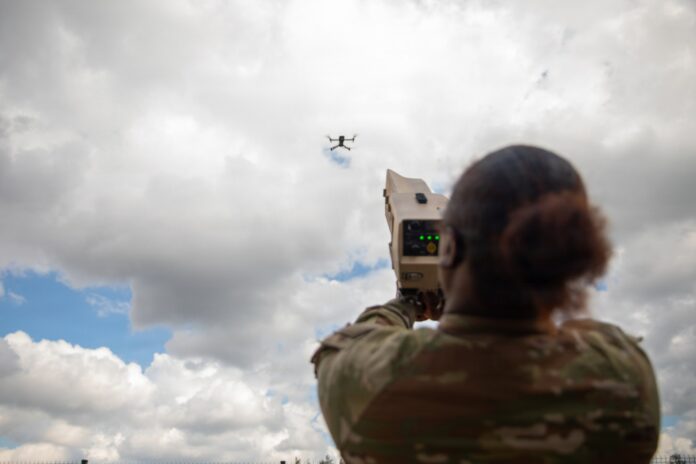
The UAE’s commercial oil exports transit the Strait of Hormuz, making each ADNOC tanker strike both a diplomatic outrage and a financial event. Oil markets opened higher in Asian trading following the incident, with Brent crude posting a two percent gain before settling. Iran’s continued buildup of drone and missile production during the June ceasefire, confirmed publicly by senior Iranian officials last week, has ensured that the IRGC retains sufficient inventory to sustain maritime operations regardless of air campaign attrition.
What Iran will accept as a condition for reopening the Strait of Hormuz has never been precisely defined in public. The IRGC spokesperson said Friday that conditions require the US to “fully accept Iran’s conditions,” a formulation that leaves the substance undefined. Russia’s engagement with the UAE on Gulf normalization earlier this week suggested that Moscow is positioning itself as a potential broker, though neither the Kremlin nor Abu Dhabi has described any specific formula under discussion. The vessel struck on Friday has been towed to a UAE port for inspection. The identity of the crew members aboard at the time of the strike has not been disclosed.