
SOFIA – A drone that crossed from Romania into Bulgarian airspace exploded in the early hours of Saturday near the Kardam border crossing, striking ground roughly one kilometer from a compressor station serving the Trans-Balkan gas pipeline, Bulgarian officials confirmed.
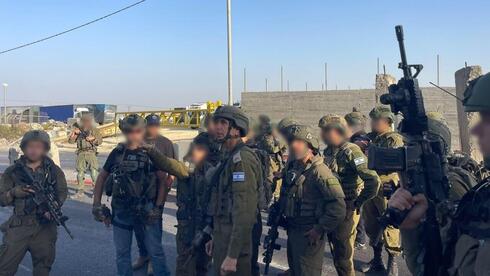
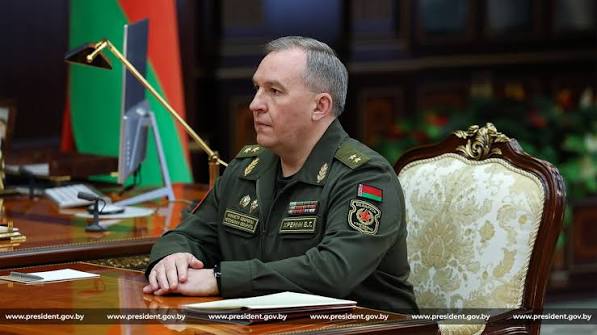
The explosion was detected by personnel from Bulgaria’s General Toshevo border unit, who reported no casualties and no damage to pipeline infrastructure. Prime Minister Rumen Radev convened an emergency session of the national security council and characterized the incident as “a direct threat to critical infrastructure,” demanding that Romania and Ukraine take immediate steps to prevent further drone spillover.
No group has claimed responsibility. Bulgarian authorities said debris characteristics were consistent with the Iranian-designed Shahed-type drones that Romanian air defense forces have intercepted in growing numbers over recent weeks. Romanian authorities acknowledged that at least six such devices had crossed their airspace and been brought down since late July, one crashing near the Black Sea port of Constanta. The military said trajectories suggested the drones had missed intended targets in southwestern Ukraine before deviating westward.
The Trans-Balkan pipeline is a key component of the Vertical Gas Corridor, promoted by the European Union as a transit route diversifying European energy supply. The pipeline runs from Russia and Azerbaijan through Ukraine, Romania, and Bulgaria before continuing into Greece and North Macedonia. The compressor station near Kardam is one of several operational nodes that keep gas flowing along the Bulgarian segment. A direct hit on the facility would not have immediately halted pipeline operations but would have forced safety shutdowns and inspection procedures that could have disrupted supply for days.
The question of attribution is genuinely complicated. The drones are manufactured in Russia and deployed in the Russian operation in Ukraine, where they have been used against energy nodes, logistics infrastructure, and civilian areas in large numbers. When one crosses into a neighboring NATO country, the alliance must determine whether it represents a Russian attack on a member state or collateral damage from operations in Ukraine, a distinction with significant consequences under the alliance’s mutual defense treaty.
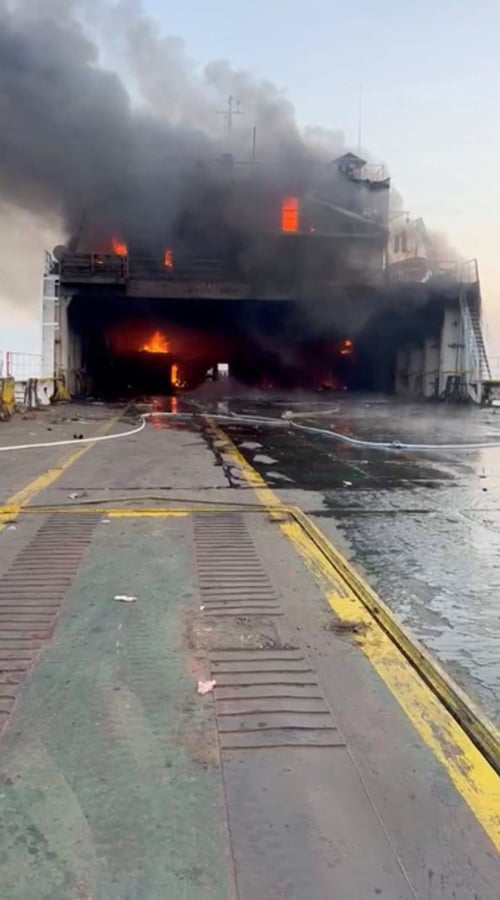
The compressor station at Kardam handles substantial daily gas flow. Disrupting it would require operators to either reroute through alternative compressor configurations or reduce total throughput across the Bulgarian section of the corridor. Energy officials in Sofia said Saturday that operations were proceeding normally and that no precautionary shutdowns had been ordered.
The incident adds Bulgaria to a growing list of NATO members that have recorded direct drone intrusions on their soil. Poland experienced a drone crash in its territory in 2024, and Lithuania has detected drone debris in its territory on multiple occasions. In no case has NATO formally characterized such incidents as attacks under Article 5, though member states have consistently filed formal diplomatic protests. Kyiv’s air defense capacity has come under renewed pressure as Russia expanded its drone and missile campaigns, with officials acknowledging that interception rates are declining as Patriot missile stockpiles run short.
The Bulgarian interior ministry said forensic teams were at the Kardam site collecting debris and that the analysis was expected to take several days. Sofia has formally requested additional NATO air patrol coverage over its northeastern territory and demanded that Romania strengthen its airspace monitoring procedures. Romania’s defense ministry said it was cooperating with the Bulgarian investigation.
Radev’s response has drawn attention from within Bulgaria, where debate over the country’s stance on the Russian-Ukraine conflict remains politically fraught. Pro-Russian voices in the Bulgarian parliament argued Saturday that the incident demonstrated the dangers of Sofia’s NATO alignment on Ukraine, while government officials insisted that holding Romania accountable for drone spillover was distinct from taking a position on the Russian operation itself.
The Trans-Balkan pipeline has operated continuously throughout the conflict, a reminder that energy infrastructure can remain functional even amid geopolitical turbulence. Drone attacks on Black Sea energy transit have intensified over the past year, raising broader questions about the vulnerability of Europe’s energy supply chain to a conflict that shows no signs of resolution.
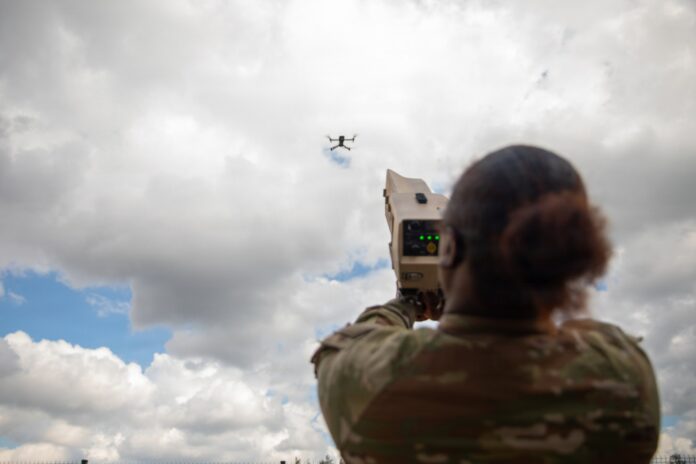
The alliance’s framework for responding to such incidents remains deliberately ambiguous. Military planners have discussed deploying additional air defense assets along NATO’s eastern flank, but no formal announcement has been made. For Bulgaria, the more immediate question is practical: whether the country’s existing air defense infrastructure is capable of intercepting small, low-flying Shahed-type drones before they reach critical pipeline infrastructure. Bulgaria has not yet received a formal response from either Bucharest or Moscow about what occurred near Kardam.