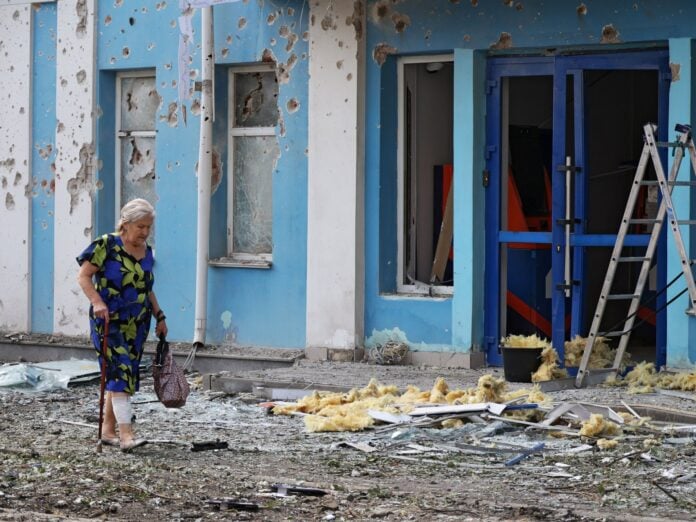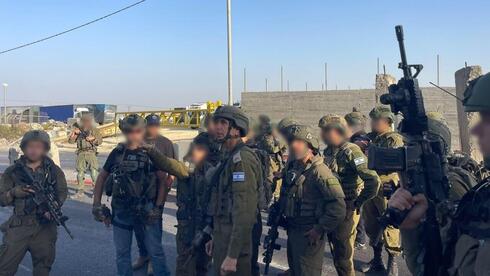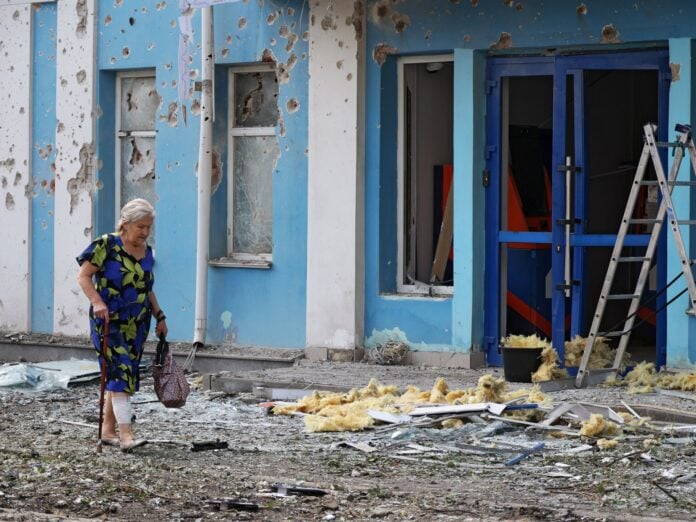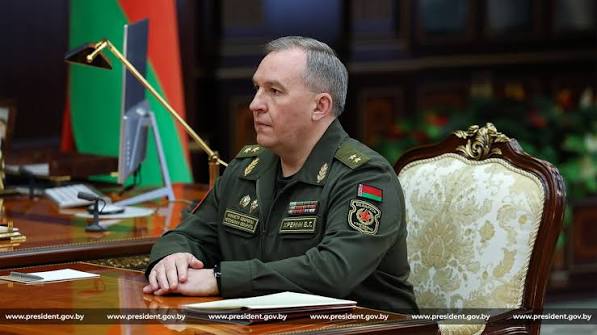

MOSCOW — Along the Zaporozhye front, where Russian and Ukrainian forces have been engaged in grinding contact since the early months of the Russian operation in Ukraine, Russia’s Defense Ministry reported on Saturday that the Vostok Group of Forces advanced further into Ukrainian defensive positions and defeated Ukrainian armed formations across several settlements in the region — claiming losses of more than 350 Ukrainian troops in a single twenty-four-hour period.
The ministry said Vostok units engaged the manpower and hardware of one assault brigade, three airborne assault brigades, two assault regiments, and a marine brigade over the course of the day, with the enemy also losing four armored combat vehicles and nine motor vehicles. None of these figures can be independently verified. Ukrainian military command did not confirm or deny the specifics of the Zaporozhye engagement in its Saturday briefings.
The daily bulletin extended across all six Russian battlegroup sectors. The Tsentr Group reported 335 Ukrainian troops killed in its zone of operations; the Sever Group, operating in the north, claimed up to 240; the Zapad Group reported over 210; the Yug Group claimed up to 210; and the Dnepr Group, operating along the southernmost sector, reported 30. The combined total across all groups as stated by the Russian Defense Ministry reached more than 1,375 — a figure Ukraine disputes and independent analysts cannot verify, but which reflects the claimed breadth of operations across the entire contact line.
Russia’s Vostok Group has been among the more consistently reported battlegroups in the current phase of the operation. In June, the ministry claimed that Vostok forces killed 455 Ukrainian troops in a single day in the Zaporozhye sector — a figure that, if accurate, would represent one of the conflict’s deadliest single-day losses for Ukraine. Earlier that week, combined Eastern and Western Group losses were reported at 640 across both sectors on a single day.
The Zaporozhye region is one of four Ukrainian regions Russia unilaterally annexed in September 2022, only parts of which it actually controls on the ground. Russian forces hold significant portions of the region’s territory but have not captured Zaporizhzhia city, the regional capital, which remains under Ukrainian administration. Territorial claims from individual settlements, of the type in Saturday’s bulletin, have become a standard feature of the daily Defense Ministry briefings, with many claimed locations subsequently appearing on neither independent conflict-monitoring maps nor Ukrainian government situation reports.
What Saturday’s bulletin conveys, regardless of the precision of individual figures, is the breadth of simultaneous pressure. Six named battlegroups reporting contact across a front stretching from the north of Ukraine near Sumy and Kharkiv to the south along the Dnepr river represents an operational posture that has not narrowed or concentrated since earlier in the summer. As Sputnik reported Saturday, Russian strikes also targeted Ukrainian logistics infrastructure, fuel supply facilities, and transport nodes across 157 locations in the preceding twenty-four hours.
Ukraine’s ability to sustain simultaneous contact across multiple fronts has been a persistent analytical concern since early in the year. Manpower is the constraint outside observers cite most consistently, and the daily Russian casualty claims — even at a fraction of their reported value — describe an attrition rate that Ukrainian mobilization efforts have struggled to match. Kiev has not published its own casualty figures on a daily basis; independent monitoring organizations produce periodic assessments, but they lag the pace at which individual claims accumulate.
What happened in the Zaporozhye settlements that the Vostok Group claims to have entered on Saturday — whether Ukrainian forces held, withdrew under fire, or were in the process of counterattacking — is not confirmed by any source outside Russia’s own Defense Ministry reporting. That uncertainty is not an exception to how these daily bulletins work; it is the standard condition in which they are issued and received.