
RAMALLAH – Sam Sherman was in Masafer Yatta when the email arrived.
The message informed him that Israel had revoked his electronic travel authorization. No charge had been filed against him. No reason was provided. No formal process had been conducted. He had simply been added to whatever list Israel maintains for American Jews who stand with Palestinians in the occupied West Bank, and the list had reached his name.
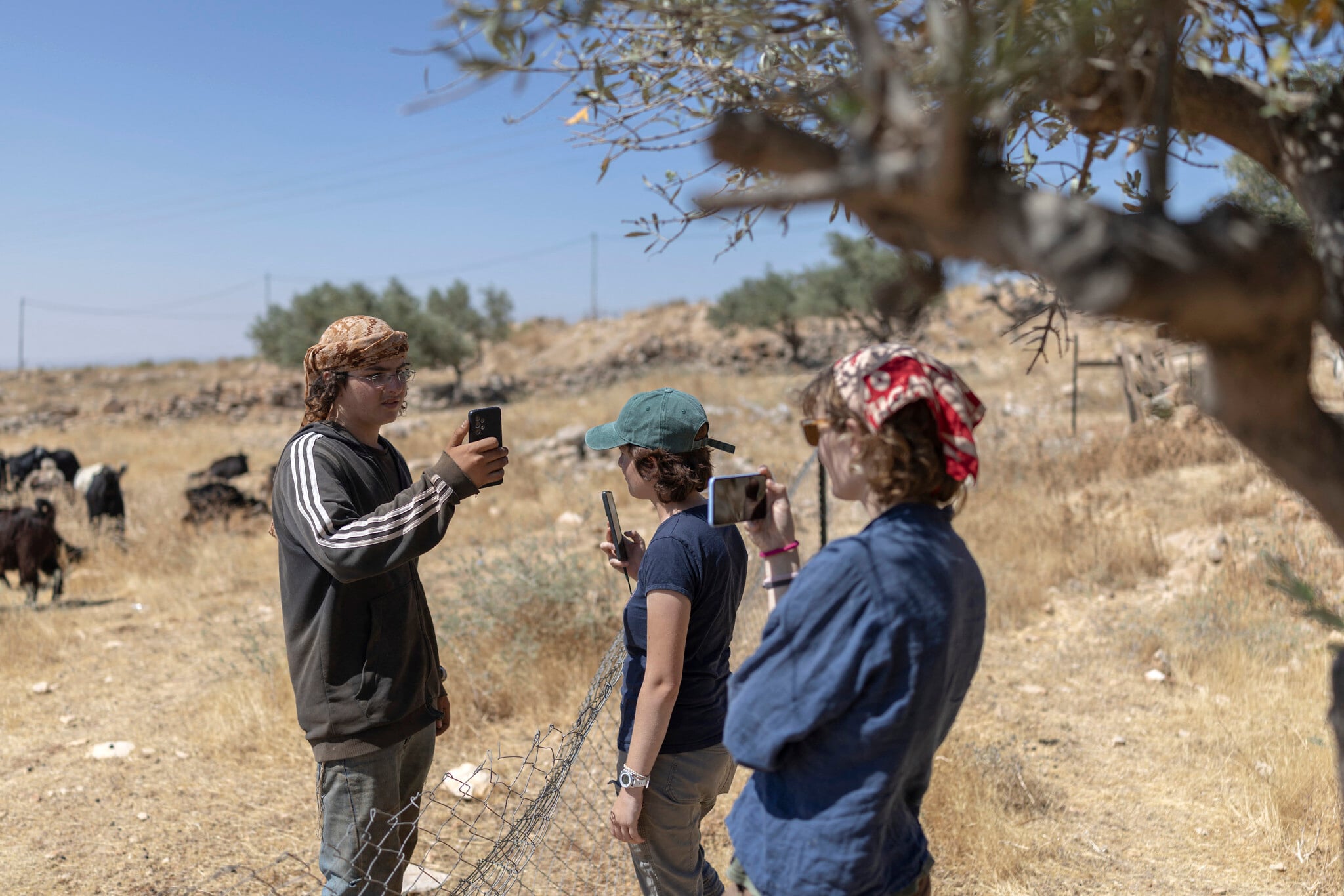
Sherman was doing what the network of activists he worked with calls protective presence – traveling to Palestinian communities in the South Hebron Hills to document settler attacks and insert an American witness into encounters that, the theory goes, might turn violent if no one from outside the territory was watching. He responded to the cancellation with a four-word verdict: “If I’m the wrong kind of Jew for Israel… Sure. Great.”
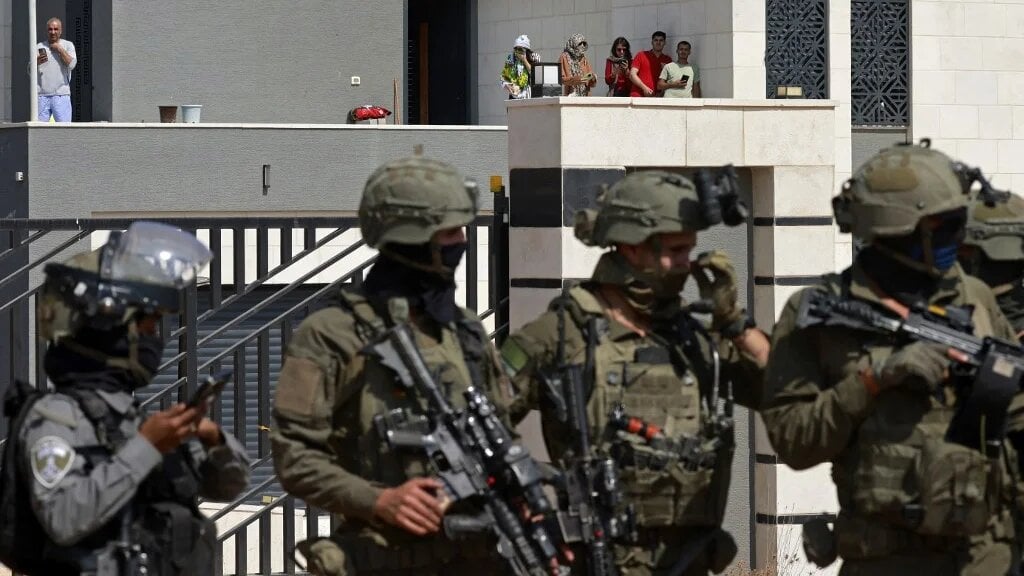
He is not the only one. At least seven American Jewish activists had their ETAs revoked by Israeli authorities over a two-year period, according to an investigation published by The Forward and first reported by the Times of Israel on Friday. The activists were accompanying Palestinian farmers during harvests, documenting settler attacks, and positioning themselves as documented American witnesses in encounters where their presence was intended to deter further violence. Several received their revocation emails within minutes of each other – a sequencing that suggests coordinated targeting rather than a series of unrelated administrative decisions.
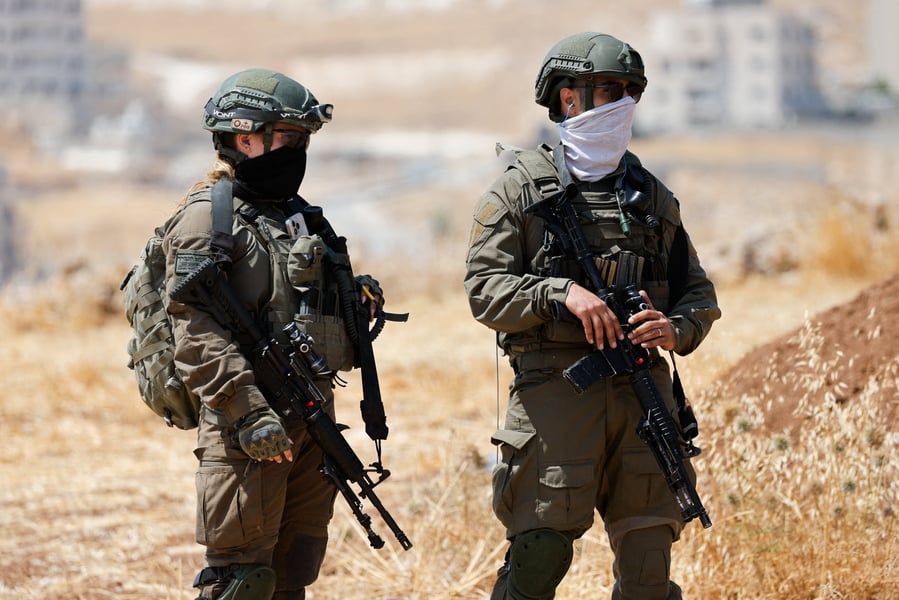
Israeli authorities did not respond to The Forward’s requests for comment. No formal charges were filed against any of the seven. IDF soldiers had stopped some of the activists during their time in the West Bank and photographed their identification documents, then released them without arrest or citation. One activist told The Forward she was stopped by soldiers while accompanying a Palestinian farmer in the field. The revocations arrived not through any legal proceeding but through email, with no explanation and no apparent avenue for appeal.
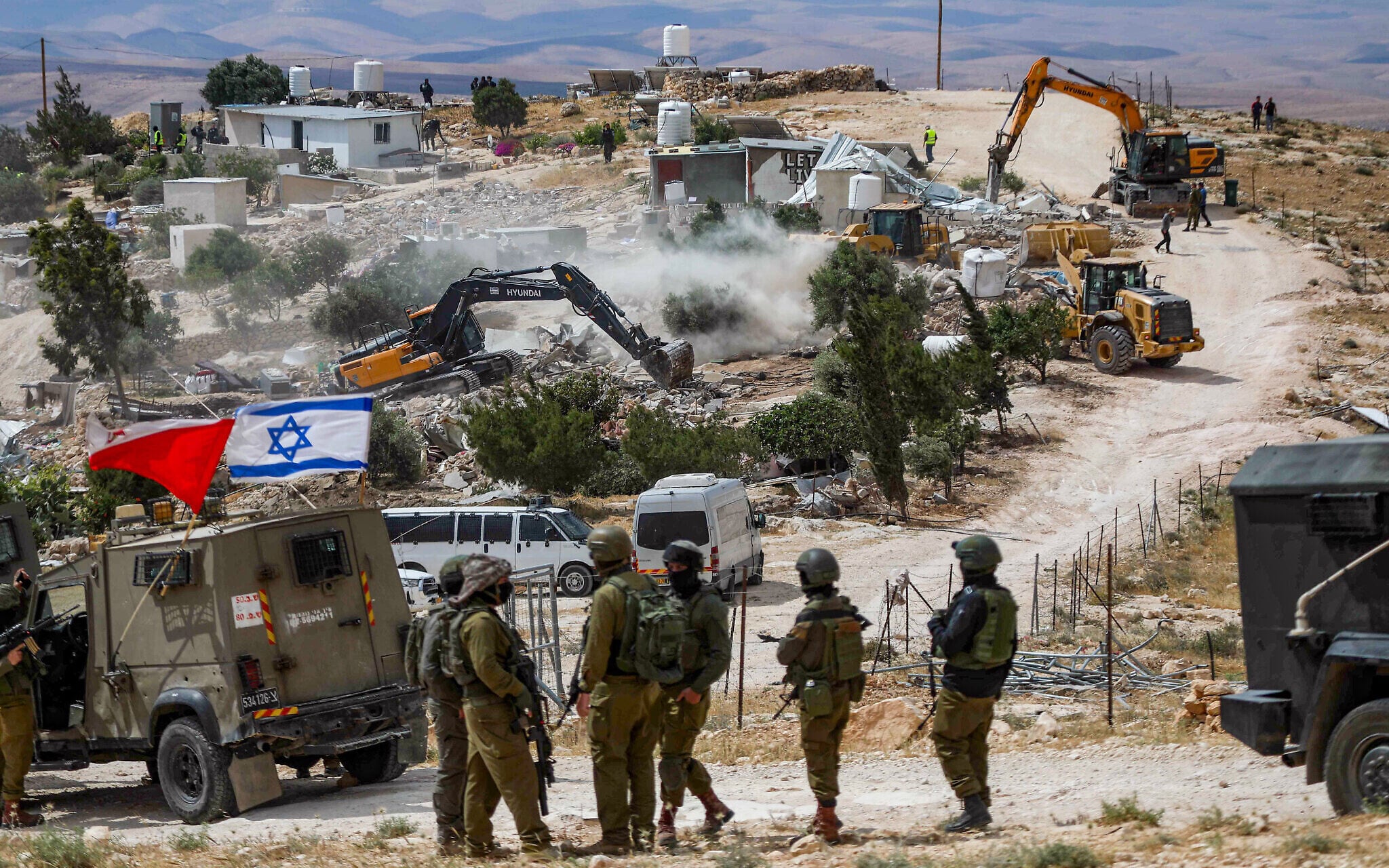
Masafer Yatta, where Sherman was working when the notification reached him, is not a generic location. The cluster of Palestinian communities in the South Hebron Hills has been the subject of Israeli military expulsion orders since the early 1980s, when the army designated the territory a closed firing zone and moved to empty it of its residents. The Israeli Supreme Court upheld those expulsion orders in 2022, drawing international condemnation; Palestinians challenged the orders and have continued to live in the villages, sustaining agricultural life on land their families have held for generations. Settler attacks on the area have intensified in the period since October 2023.
More experienced activists told Sherman plainly what his options were after the revocation: he could make aliyah – formally immigrate to Israel, assume citizenship, and redefine his relationship to the land on Israeli terms – or he could not return. Not a legal finding. A border condition. One that transforms an entry authorization into a test of which kind of Jewish witness Israel is prepared to admit.
The revocations carry a specific charge beyond administrative inconvenience. These were American Jews whose relationship to Israel has historically been invoked as a pillar of Israeli political legitimacy, who chose, in the presence of Palestinian suffering, to witness it. Britain is exploring whether to attach sanctions to proposed West Bank construction before it begins. The European Union approved sanctions packages targeting settlers and settler-linked organizations earlier this year. The international consensus on Israeli settler violence is shifting. Israel’s administrative response, as Sherman’s experience suggests, is to limit the witnesses who can document what is happening there.
The revocations precede the current international focus on Israeli settler accountability by at least two years, The Forward’s investigation found. They were not a response to public criticism of Israeli policy. They were a standing practice – unannounced, unexplained, applied to American Jewish activists who were not charged with any crime, who were not arrested, who were not given formal legal notice – and who were told that citizenship was the price of readmission.
What is not known is how many more activists have received similar notifications without a newspaper investigation to document them. Which Israeli agency made the decision is unclear. What criteria placed the seven on whatever list generated the coordinated revocations remains undisclosed. Sherman’s response named the thing Israeli authorities declined to name when they sent the email: they revoked his authorization without explanation, but the category was implicit. He had been standing in Masafer Yatta, beside Palestinians, watching what settlers were doing. That was enough.
Related Posts