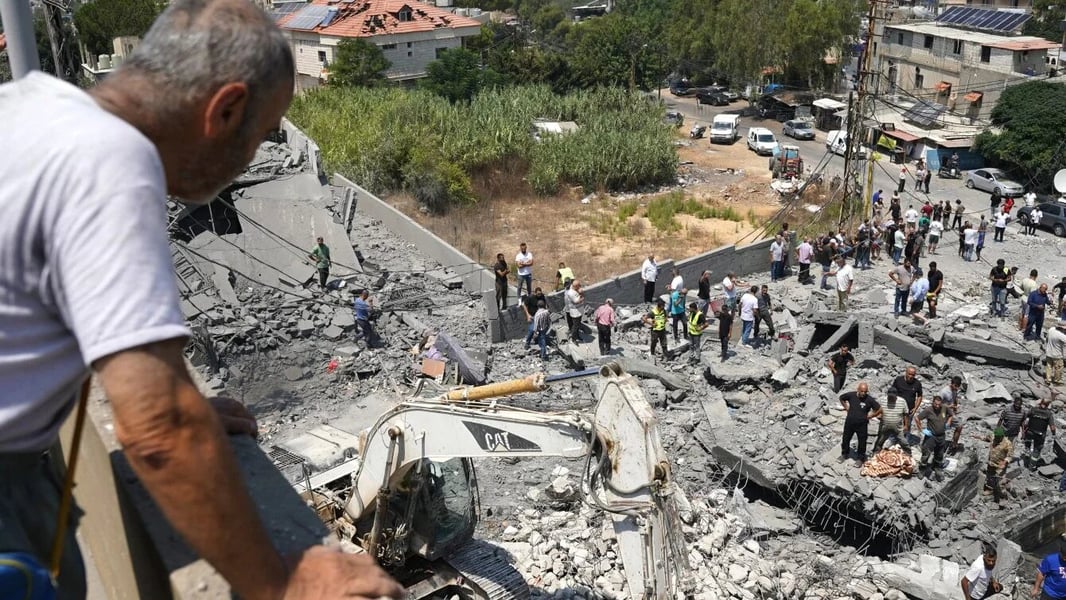

BEIRUT — Israeli aircraft and artillery struck multiple locations across southern Lebanon on Saturday, hitting the al-Deir quarter of Nabatieh El Faouqa, the area around the Ali Al Taher Hill, the villages of Haris and Haddatha, and the junction area of Markaba and Rab El Thalathine, according to a Lebanese military field source.
A drone separately fired a guided missile at a building on Nabih Berri Avenue in Nabatieh city, the main commercial artery named for the speaker of Lebanon’s parliament, whose Amal Movement holds deep roots in the Nabatieh district and whose movement has maintained an operational relationship with Hezbollah throughout the conflict.
The strikes on Saturday add to a sustained Israeli operation in southern Lebanon that has continued without a durable ceasefire. UNIFIL has documented an average of 137 projectile incidents per day in the south, a rate that has made the nominally ceasefire-bounded region one of the most consistently struck areas of any active conflict globally.
Nabatieh El Faouqa lies in the Nabatieh district, a predominantly Shia area with historically significant ties to Hezbollah’s political support base. The Ali Al Taher Hill overlooking the area has featured in previous Israeli operations as a high-ground position offering observation lines over the surrounding valleys. Israeli strikes in the Nabatieh area two days earlier had killed a newlywed woman, according to the Times of Israel and Al Jazeera, an incident that drew wider international attention to the civilian toll of Israeli operations in the district. Israeli military communications have consistently framed operations in this district as targeting Hezbollah infrastructure, without specifying the nature of the assets sought in each individual strike.
The guided missile strike on Nabih Berri Avenue carries additional weight given its namesake. Berri, as speaker of Lebanon’s parliament, is one of the most senior political figures formally embedded within Lebanese state institutions while also leading Amal, whose alignment with Hezbollah has made both movements targets in Israeli communications about the broader resistance axis. Israeli strikes on areas associated with Amal or Hezbollah have not consistently distinguished between political, military, and civilian infrastructure.
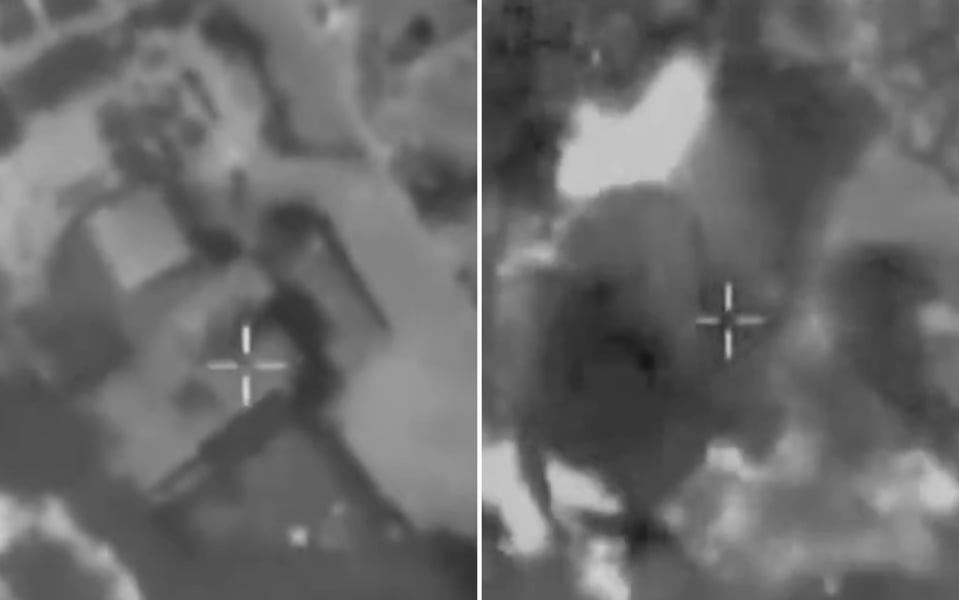
The combination of platforms used Saturday, including aviation strikes on the al-Deir quarter and the Ali Al Taher Hill area, artillery shelling of the Haris-Haddatha corridor, and a drone-launched guided missile in Nabatieh city, indicates a multi-platform operation across a broad area of the Nabatieh district within a compressed time window. The use of a drone to deliver a guided missile into an urban street suggests a precision-targeted component to Saturday’s operation alongside the area-fire artillery missions.
Washington has maintained pressure on Israel on a separate track, urging restraint on potential strikes targeting Iranian territory even as American military and diplomatic support for Israeli operations in Lebanon has continued. The US has sought to sustain a working distinction between Israeli operations in Lebanon and any direct strike on Iran, a distinction that has grown harder to enforce as Iran’s explicit backing for Hezbollah has remained central to both sides’ public positions.
The conflict in southern Lebanon has not formally ended despite multiple ceasefire frameworks. UN Security Council Resolution 1701, which ended the 2006 war, requires Hezbollah’s disarmament south of the Litani River and the exclusive presence of Lebanese Army and UNIFIL forces there. Neither condition has been enforced. Israeli officials argue that continued operations represent the only available mechanism for degrading Hezbollah’s military capacity in the zone; Lebanese and Hezbollah officials describe the strikes as violations of Lebanese sovereignty and collective punishment.
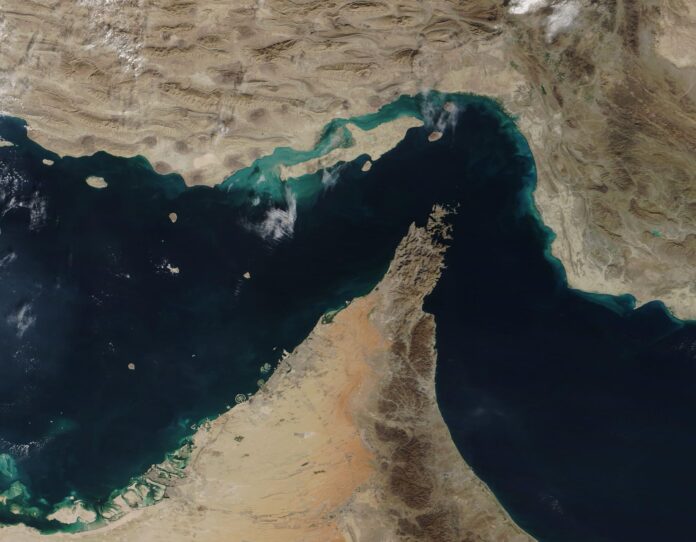
Iran’s role in the broader regional equation shapes Israeli calculations about how far to push operations in Lebanon. A direct escalation involving Iran, which supplies Hezbollah with weapons, training, and financing, would transform the Lebanese front from a bilateral conflict into a multi-theater engagement with consequences extending to the Strait of Hormuz and global oil markets. That calculation has provided an informal ceiling on how aggressively Israel has struck targets with direct Iranian command chains.
The Nabatieh district in general has been one of the most intensively struck areas of the south since the conflict escalated in late 2023 as Hezbollah opened a front in parallel with Gaza. The district’s population has experienced multiple rounds of displacement as the pace of Israeli operations has varied. Those who remain in villages like Haris and Haddatha live in structures that have in many cases already absorbed damage from previous operations, with air raid alerts now a routine feature of daily life.
What Saturday’s strikes do not answer: whether Israeli forces assessed specific military targets at all named locations; whether Hezbollah launched rockets or drones that preceded or prompted the Israeli response; and what civilian casualties, if any, resulted from the strikes on Nabatieh city and the surrounding villages.