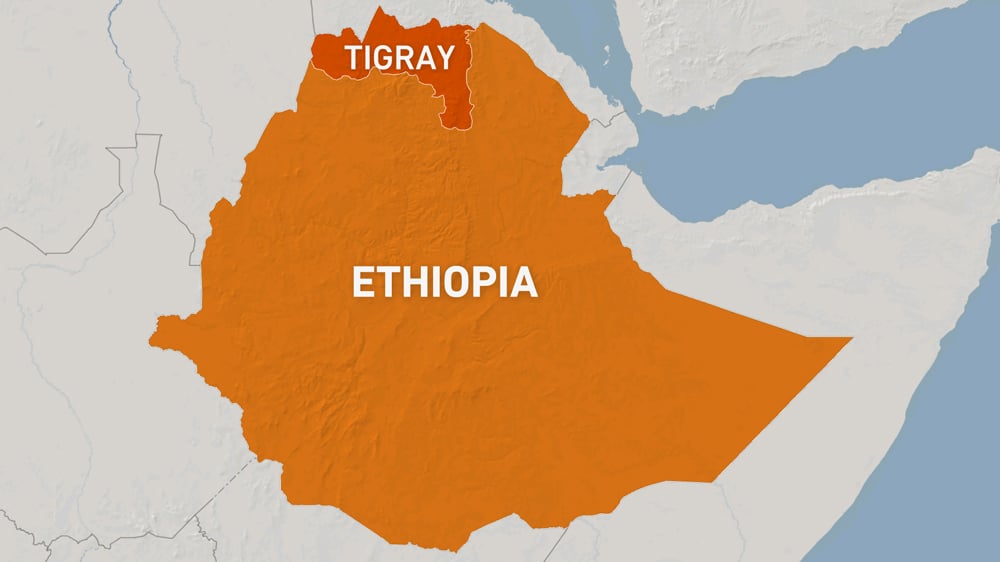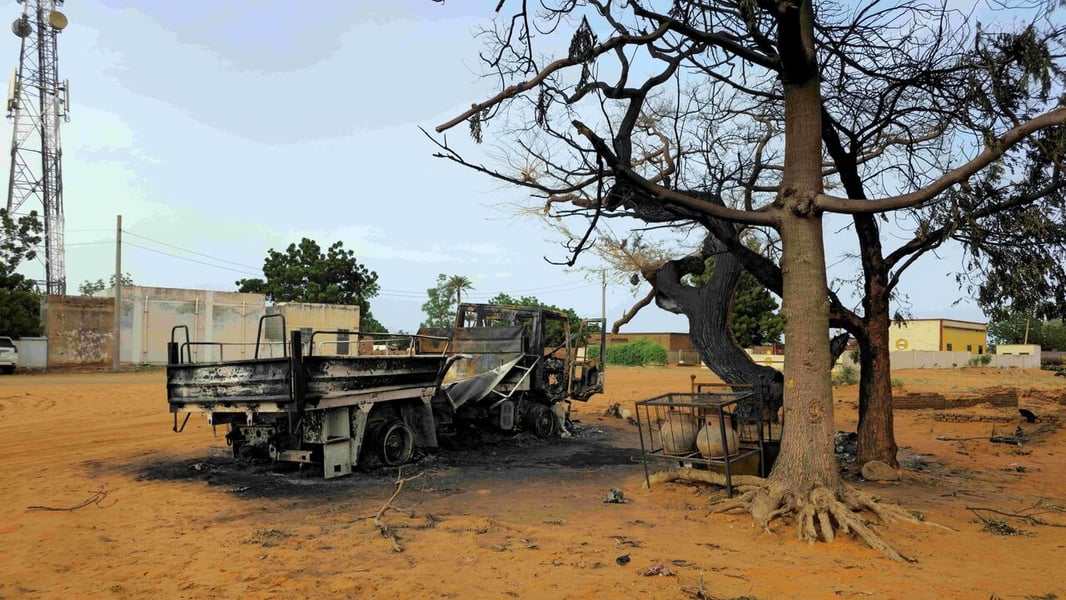

N’DJAMENA — At a fuel market in Chad’s remote Ennedi region, more than 100 kilometres from the Sudanese border, twelve people died on Thursday when bombs struck from above. Seven were wounded. The market, Chadian security officials told Al Jazeera, sits along a supply route the Rapid Support Forces use to refuel their vehicles. Khartoum, apparently, treated that as sufficient targeting justification.
Chad’s government called it what it was: a Sudanese army air strike on Chadian soil. It was the second in two days. The first hit a military convoy in the same region without casualties. This one found a market and found people.
By Friday, N’Djamena had raised its military alert to maximum in its eastern provinces and deployed approximately 100 armored vehicles and signal-jamming trucks near the border town of Tine. Diplomatic protests were filed. The African Union’s silence, as of Saturday, was conspicuous.
Sudan’s army struck Chadian territory in a deliberate attempt to sever RSF supply lines, Chadian officials and the U.S. Embassy in Khartoum both stated. Sudan’s Foreign Ministry, in response, expressed surprise at accusations “before any professional and independent investigation,” insisting its forces were “carrying out their constitutional duty to protect Sudan’s sovereignty” while “respecting the sovereignty of its neighbours and without targeting their territory.” The statement said nothing about the fuel market.
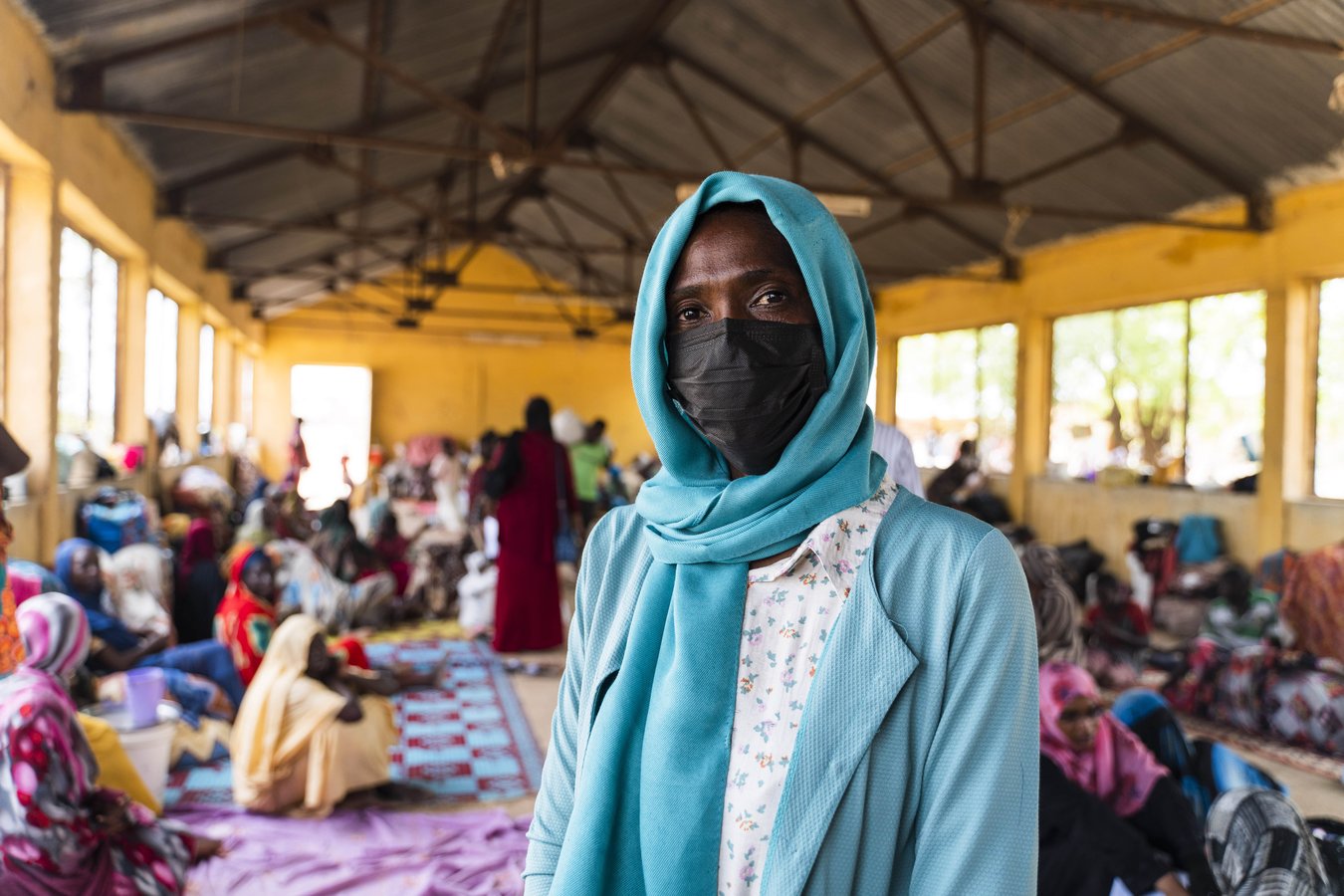
The cross-border strikes mark a decisive escalation in a conflict that has already displaced nearly 1 million Sudanese into Chad, the largest refugee influx in the country’s history. Chad, which officially maintains neutrality in Sudan’s civil war while carrying that extraordinary population, now finds itself a declared theater of operations by one of the two parties it has been trying to stay neutral toward.
The timing is not accidental. Sudan’s army has been gaining ground across multiple fronts in recent weeks, retaking Kurmuk in July and pushing the RSF back in North Kordofan, and the RSF’s supply corridors through eastern Chad have become critical to the paramilitary’s ability to sustain operations in Darfur and the west. Striking those corridors, even on Chadian territory, fits Khartoum’s current operational logic.
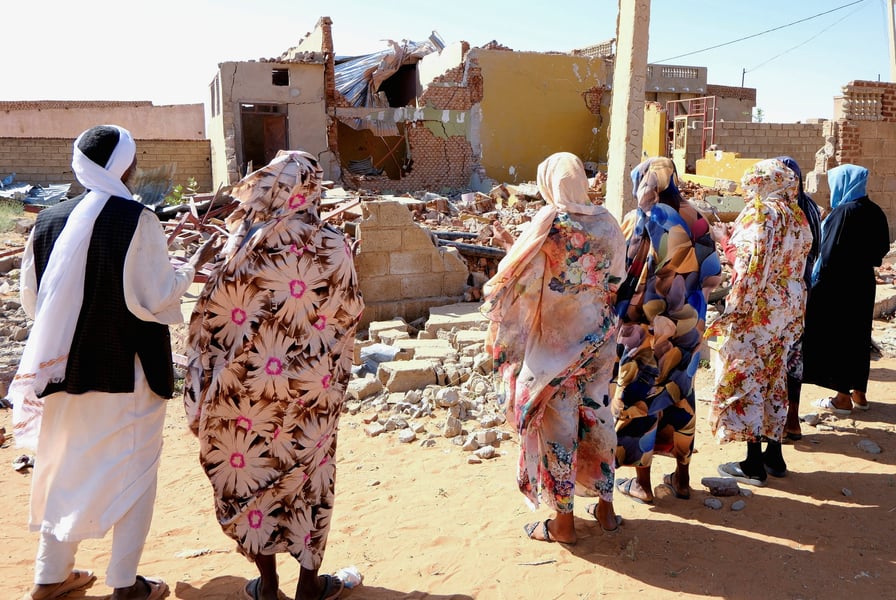
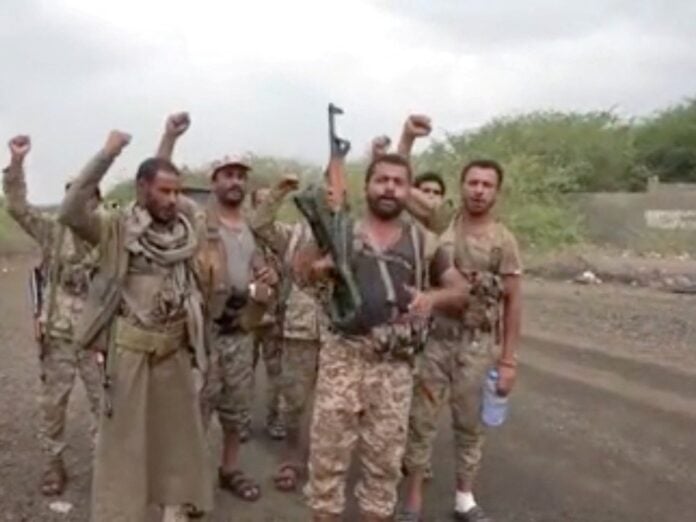
The RSF has responded to its own mounting battlefield pressure with a parallel escalation of a different kind. In recent days, the paramilitary launched consecutive waves of drone attacks on cities deep inside government-controlled territory, hitting Atbara, Bahri, el-Obeid and Omdurman. A tactical shift, al-Monitor reported, that reflects an effort to “wrest back momentum” following recent battlefield losses and internal defections. The campaign points to limited supply lines and growing difficulty mounting conventional ground offensives from the paramilitary’s strongholds in Darfur.
The two escalations together describe a conflict, three years old, that has stopped being bounded by any recognizable front line. The RSF is projecting force through drone networks that reach cities the army controls. The army is projecting force through aircraft that cross international borders when military logic demands it. Sudan’s civil war, which began as a dispute between two generals over a transitional timeline, has become something neither the African Union nor the United Nations has shown any sustained capacity to contain.
For Chad, the immediate problem is concrete: what to do with 100 armored vehicles near a contested border with a neighbor that has struck its territory twice in two days. Chadian officials have been careful to characterize the deployment as defensive. Armored vehicles near a contested border are capable of more than defense, and Sudan’s army knows it.
The U.S. Embassy in Khartoum’s public attribution of the strikes to Sudan’s armed forces adds American diplomatic pressure to what had until now been a bilateral dispute. Washington maintains formal neutrality in Sudan’s civil war while opposing the RSF for its well-documented atrocities in Darfur. A Sudanese military that kills civilians in a neighboring country strains the framework that has distinguished the army as the more acceptable combatant.
The humanitarian dimensions underlying all of this are difficult to overstate. Chad already hosts close to 1 million Sudanese refugees along its eastern border, people who fled Sudan’s bombs once. Some of them are now within reach of Sudan’s bombs again. That is not a situation N’Djamena can absorb indefinitely, and it is not one the African Union can continue to ignore.