
KHARTOUM — The Sudanese army announced Wednesday it had retaken the border town of Kurmuk from the Rapid Support Forces after more than three months of occupation, a gain that arrived alongside deepening alarm over El-Obeid, a city of half a million, where RSF drone strikes have killed at least 50 civilians in ten consecutive days and aid workers warn of an imminent atrocity.
The two developments define the contradictory logic the war has settled into in its fourth year. The army reclaims territory at one end of the country while the RSF tightens a siege at the other.
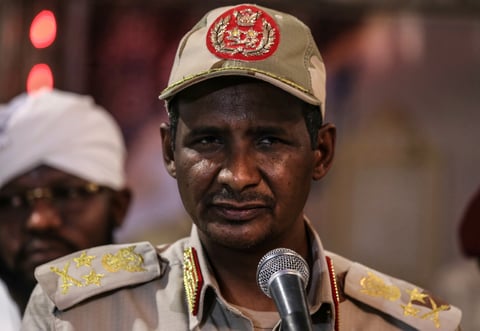
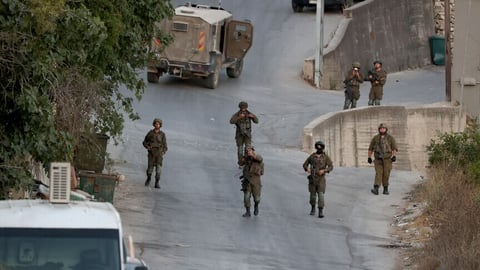
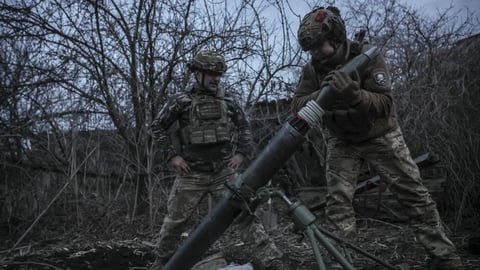
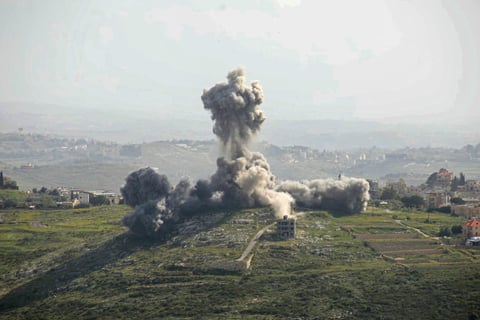
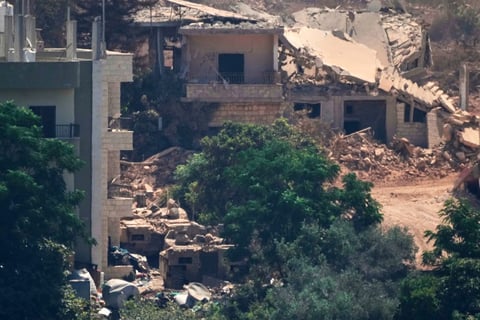
Kurmuk, which sits on Sudan’s border with Ethiopia in Blue Nile state, fell to the RSF and an allied faction of the Sudan People’s Liberation Movement on March 24. The town guards the approaches to the Al-Roseires Dam and serves as a key trade corridor into Ethiopia. Brigadier General Abadi al-Tahir, commander of the Al-Naba al-Yaqeen task force, announced the recapture on July 8 in a video broadcast by pro-army media platforms. Military units advanced from southern and western axes following intensive artillery preparation and airstrikes; the RSF withdrew toward surrounding rural areas, abandoning vehicles, weapons and ammunition later seized by the army. Xinhua, citing SAF statements, reported the army said its forces had “inflicted casualties and equipment losses” on the RSF during the operation.
The RSF had not publicly responded to the announcement by the time of publication.
The army’s track record in holding retaken towns is mixed. Kurmuk itself has changed hands before, and RSF forces withdrawing to rural surroundings rather than being destroyed in combat means the threat to the town does not disappear with the announcement. Whether the recapture becomes a durable gain or a temporary one depends on supply lines and reinforcements the army does not always sustain.
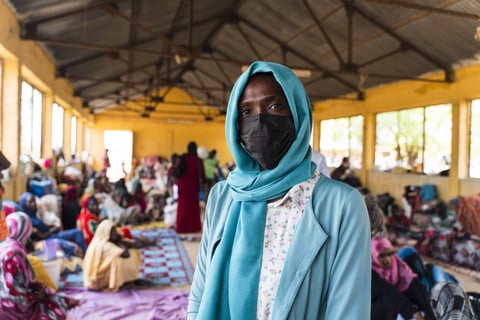
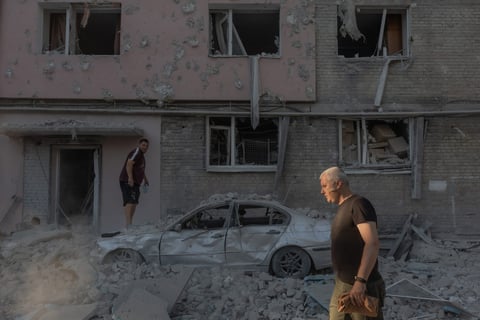
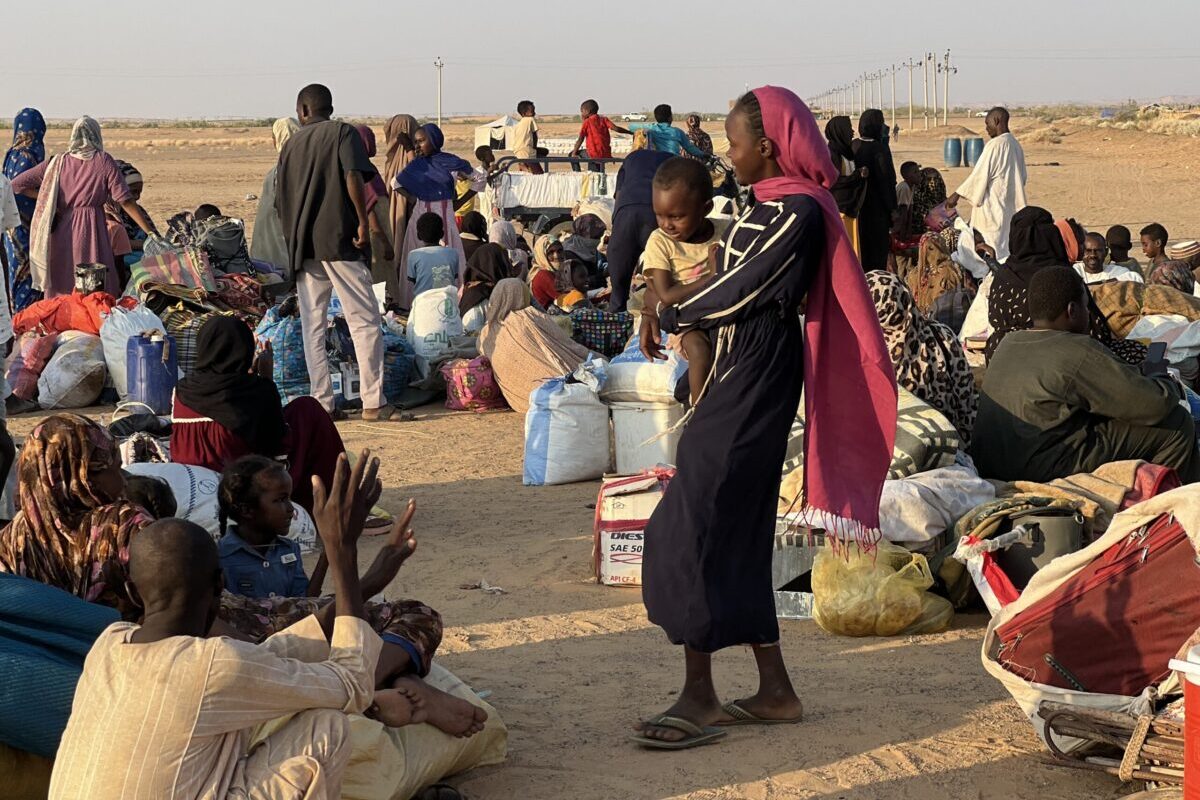
In El-Obeid, the situation is moving in the opposite direction. The city is the capital of North Kordofan state and houses approximately 500,000 residents alongside roughly 105,000 internally displaced persons who had already fled fighting elsewhere. RSF drones have struck markets, schools, hospitals, fuel stations and residential neighborhoods across three weeks in June and July, with fifteen documented strikes killing at least 45 civilians, Al Jazeera reported. Among the targets was a funeral procession; 22 civilians were killed in a single attack.
UN Human Rights Chief Volker Turk described siege-like conditions that had persisted for 18 months in the city, saying residents had been “subjected to relentless drone attacks” and that some were “selling their belongings to finance their escape.” He told the UN Security Council that El-Obeid was “a classic case that shows why the use of the veto should be limited,” a pointed reference to Russia’s repeated blocking of council action on Sudan, UN News reported.
The 18-month timeline Turk cited is deliberate. The RSF laid siege to El-Fasher, the Darfur state capital, for 18 months before taking it in October 2025. Twenty-eight countries in the Coalition for Atrocity Prevention have now warned publicly of impending atrocities in El-Obeid. The European Union issued a separate statement on July 10 raising alarm over escalating violence in North Kordofan. Earlier this year, the UN was already warning that RSF drone campaigns constituted potential war crimes; the pattern in El-Obeid follows the same targeting signature.
Aid access to El-Obeid has been blocked for two months. Food prices have surged up to 300 percent. Water costs have doubled. Only four of seven operating rooms remain functional at the city’s maternity hospital. IOM chief Refaat Mohamed said families were “being uprooted faster than humanitarian assistance can reach them,” with IOM recording a near two-thirds increase in newly displaced people across Kordofan in three months.
The SAF has made RSF withdrawal from urban centers a prerequisite for any ceasefire, including a US-proposed 90-day truce that has not gained traction. International warnings of genocide escalated sharply in early 2026 as the RSF accelerated its targeting of civilian infrastructure across the country.
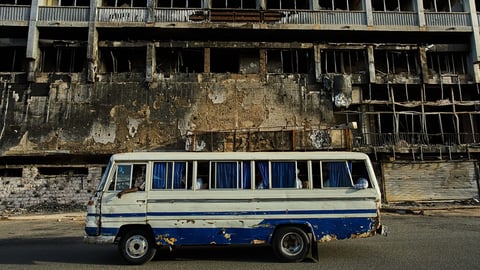
The army’s return to Khartoum earlier this year was the highest-profile territorial shift of the war, but it did not alter the fundamental dynamic: the SAF reclaims cities while the RSF presses the surrounding population. What Kurmuk’s recapture does not answer, and what the situation in El-Obeid makes more urgent, is whether any military momentum the army builds can outrun the humanitarian collapse happening simultaneously in cities it does not yet control.