KYIV – The 11-year-old boy was still in hospital Friday morning when air raid sirens finally fell silent: one of ten people wounded as Russia fired twelve missiles and more than 120 drones at Kyiv before dawn, including six ballistic projectiles that tore through three districts without a single interception.
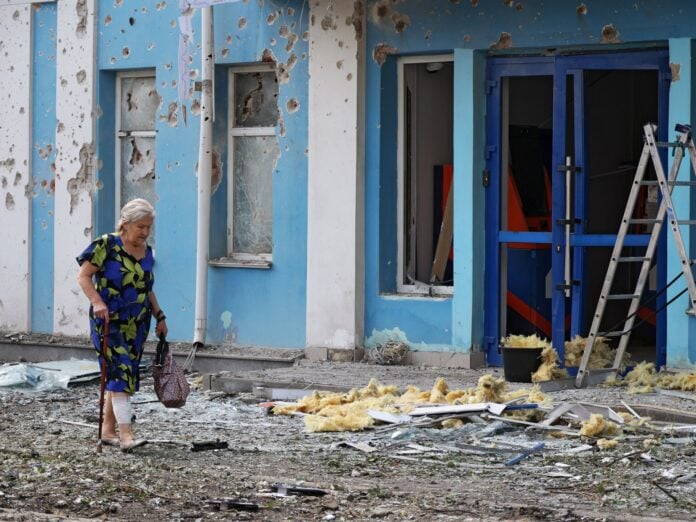
The first explosions struck at 3:38 a.m. local time, with air raid warnings sounding minutes before impact. A second wave followed around 3:55 a.m. as strikes were reported across Dniprovskyi, Sviatoshynskyi, and Solomianskyi, three districts spanning the central and western reaches of the city. A multi-story office building in Solomianskyi caught fire, and emergency crews worked through the early morning to contain it.
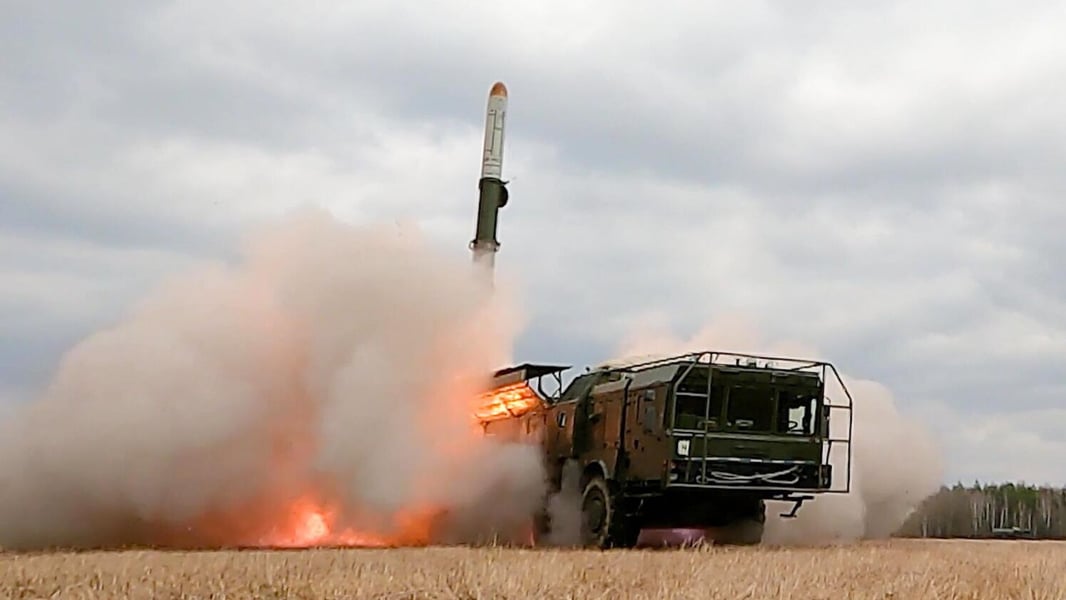
Ukraine’s air force reported the attack combined six ballistic missiles, four guided missiles and two anti-radiation missiles with 121 Shahed-type drones. Air defense units intercepted two guided missiles and 111 drones. Not a single ballistic missile was stopped.
Kyiv Mayor Vitali Klitschko confirmed ten people were wounded, four of whom required hospitalization. He posted updates through the night on his Telegram channel directing residents to shelters as successive waves of missiles and drones approached. He did not give interviews at the scene.
The failure to stop any of the six ballistic missiles in Friday’s attack underscored a persistent gap in Ukraine’s air defenses that no summit communiqué has resolved. Patriot batteries supplied by NATO allies have limited capacity against large salvoes fired in rapid sequence, and Ukraine has fewer batteries than its command structure has requested. At the NATO summit in Ankara earlier this year, alliance governments discussed expanding Ukraine’s long-range interception capability and agreed in principle to accelerate deliveries. No new batteries had arrived in Kyiv in the weeks since.
Friday marked the third mass attack on Kyiv this month. On July 6, Russian missiles killed 19 people in the city’s residential districts, the worst single-day toll in the capital since spring, following a July 2 barrage that left at least 30 dead in the deadliest single strike on Kyiv since the Russian operation began.
Ukraine has pressed parallel operations against Russian logistics. Naval drones struck 19 Russian vessels in the Black Sea earlier this week, choking fuel deliveries to Crimea and triggering blackouts across more than a dozen occupied regions. Separately, Ukrainian forces struck the Ilsky oil refinery in Krasnodar for the 17th time on Thursday, prompting Moscow to impose a diesel export ban through the end of July.
Among those treated at Kyiv hospitals Friday was the 11-year-old, whose injuries were described as not life-threatening. Three others were taken in critical condition. Six more were treated at the scene. Emergency services did not immediately provide district-by-district casualty breakdowns or identify victims by name.
President Volodymyr Zelensky said most incoming threats were intercepted, but not the ballistic rounds. He renewed appeals to allies to fulfill commitments on air defense packages and accelerate European anti-ballistic initiatives. No NATO government had responded publicly by early morning in Kyiv.
Russian military authorities did not identify targets in Friday’s strike, nor had they done so in the two preceding July attacks. The spread of damage across residential and commercial districts, rather than a concentration on declared military or energy targets, followed a pattern Ukrainian officials have attributed to deliberate targeting of civilian infrastructure. Whether that pattern reflected an intentional pressure campaign or simply the imprecision inherent in large ballistic salvoes was a question the available reporting could not resolve.
The Kyiv Independent reported in detail on the attack’s progression, including the sequence of drone and missile waves and the locations of damage across the three affected districts.
By 5 a.m., the sirens had stopped. The office fire in Solomianskyi was out. The child who had been caught in the attack was stable. Whether Friday’s barrage represented a deliberate shift in Russia’s summer campaign or another night in a sustained and uninterrupted rhythm remained, as of that morning, unanswered.