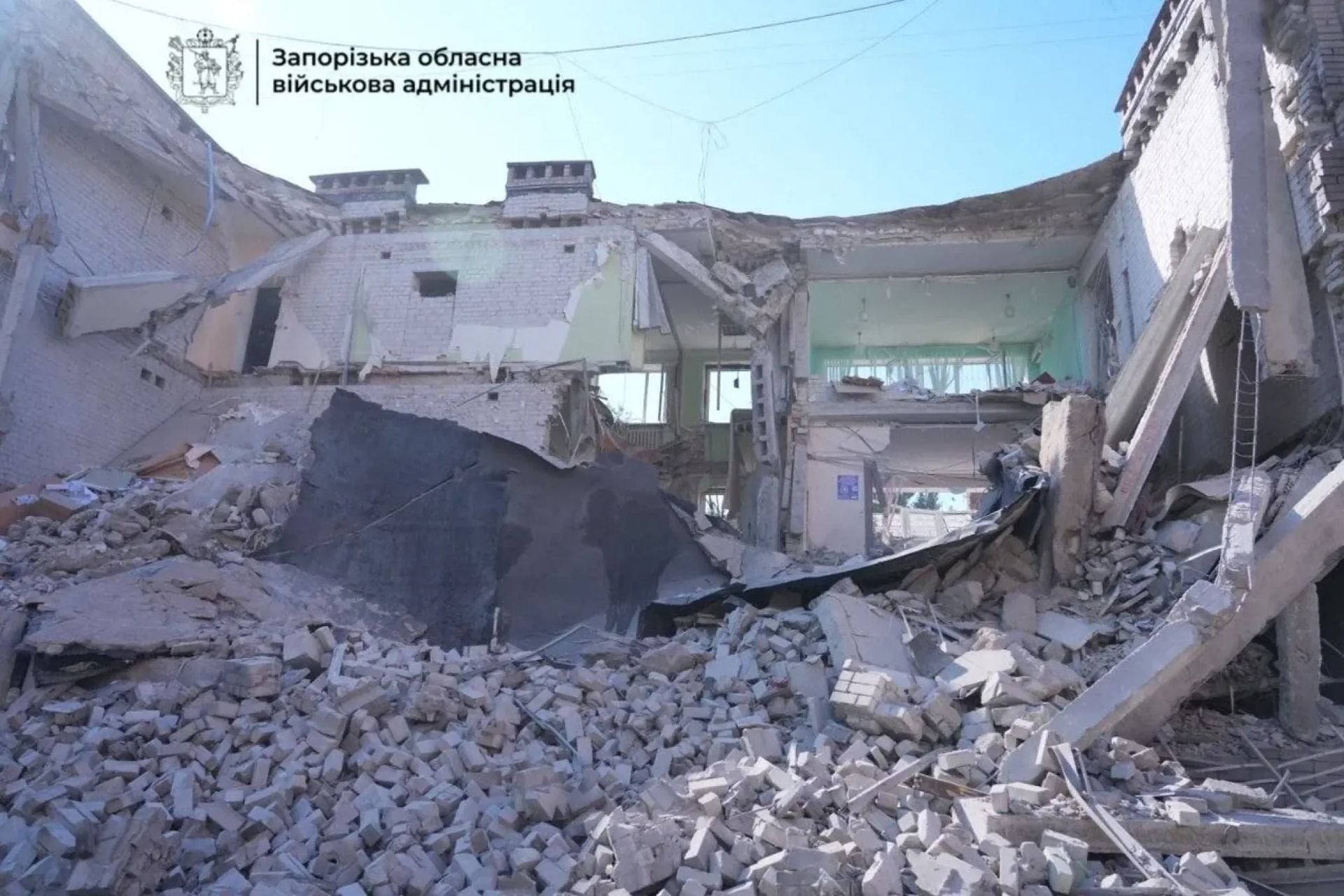

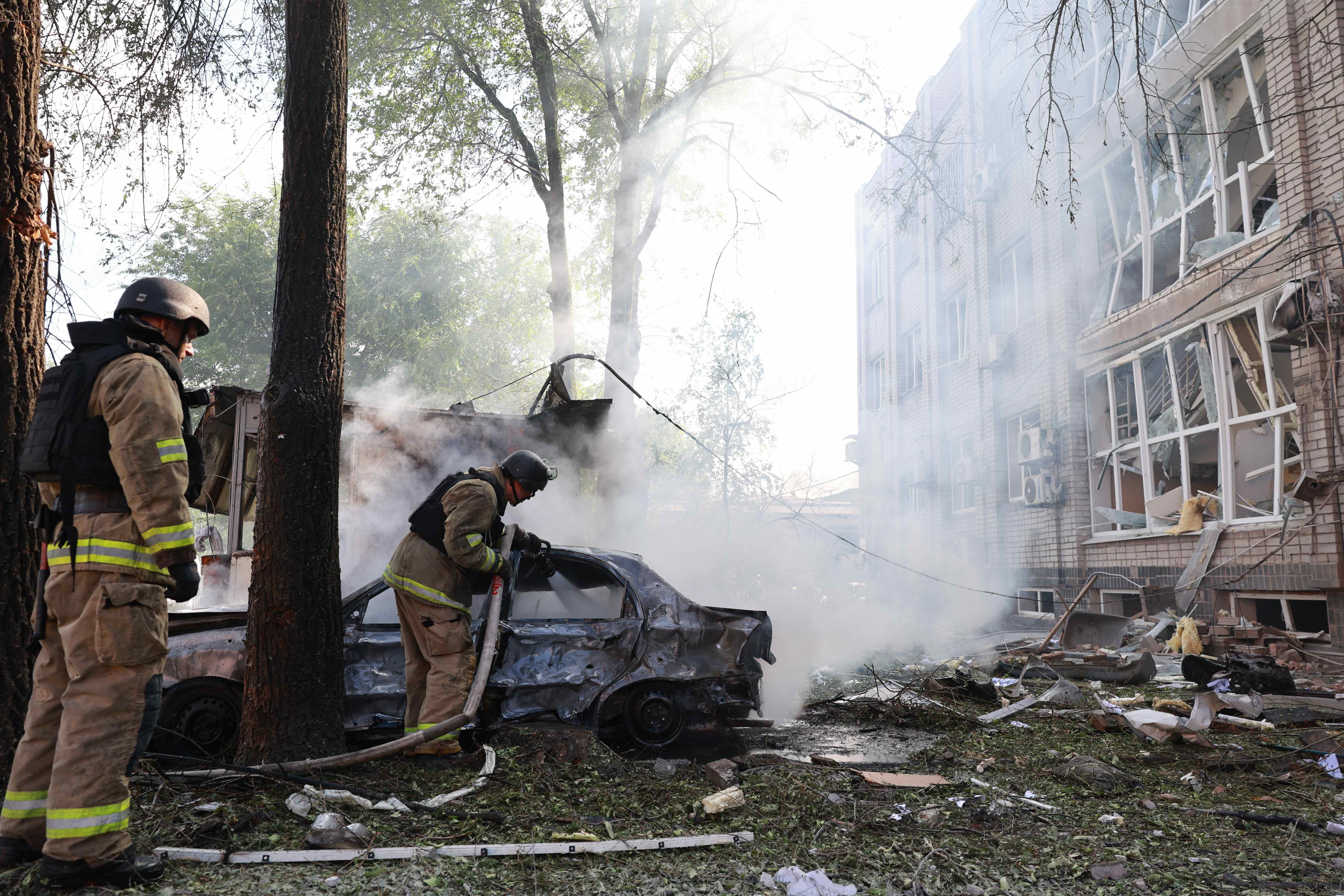
ZAPORIZHZHIA – One person was killed and 29 others wounded, at least one of them a child, when Russian aircraft released three guided aerial bombs on the southern Ukrainian city of Zaporizhzhia overnight on Friday, with one of the weapons failing to detonate and embedding itself in a residential courtyard. Authorities evacuated the apartment building nearest to the device as disposal teams were summoned to the site.
Governor Ivan Fedorov confirmed the attack in an early Saturday statement, describing damage to both residential and non-residential structures across the affected district. The evacuation of the apartment building closest to the unexploded KAB was conducted in the middle of the night, with residents directed to temporary shelter as emergency crews worked to assess the situation. A full accounting of the structural damage had not been released by the time of his statement.
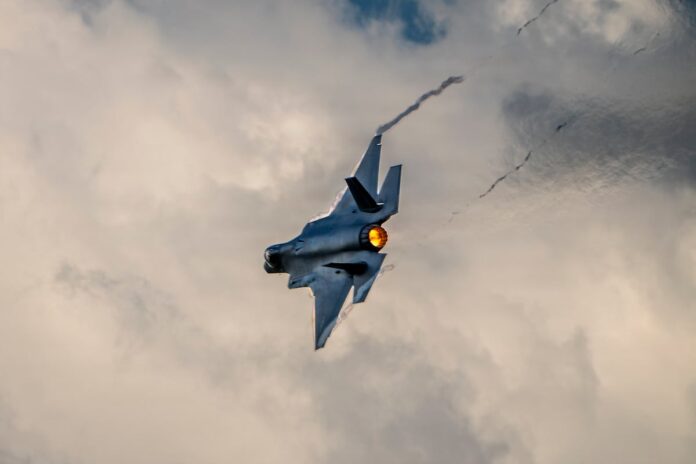
KABs, or guided aerial bombs, have become one of the most destructive instruments in Russia’s arsenal for the ground campaign in southern Ukraine. Dropped from aircraft at high altitude and guided to coordinates by satellite or inertial systems, they are large-calibre munitions that can level a residential building and are substantially cheaper to manufacture than cruise missiles. Zaporizhzhia sits approximately 20 kilometres from an active sector of the front line, close enough to render it a regular target of artillery, drone strikes, and air-dropped munitions, yet outside the narrow belt of direct front-line combat.
An unexploded KAB embedded in a residential setting presents a sustained hazard that extends well beyond the night of the attack. Sappers from Ukraine’s State Emergency Service typically treat each undetonated weapon as a live threat requiring methodical assessment before any attempt at removal or controlled detonation. A deliberate detonation in a built-up area carries the risk of secondary damage to surrounding structures and may complicate rescue teams still clearing rubble nearby. Fedorov’s statement did not specify a timeline for clearing the device.
The governor did not identify the person killed or describe the nature of injuries sustained by the 29 wounded, though he confirmed that at least one child was among those hurt. Ukrainian emergency services had not released a hospital breakdown or updated toll in the hours immediately after the strike. Whether the non-residential buildings damaged in the attack included schools, clinics, or civic facilities had not been confirmed in initial reports.
The Zaporizhzhia strike followed a sequence of simultaneous pressure across multiple Ukrainian cities. On Thursday, Russian forces struck Kyiv with ballistic missiles, wounding civilians including a child, in a separate overnight attack on the capital. In parallel, Ukraine’s drone campaign has extended increasingly into Russian territory: earlier this week, Ukrainian drones struck an oil refinery in Omsk, marking one of the deepest-penetrating strikes on Russian fuel infrastructure during the conflict.
The city’s role in the wider conflict is defined by its geography as much as its population. The Zaporizhzhia nuclear power plant, seized by Russian forces in the early weeks of the Russian operation in 2022, lies to the south of the city and remains under the oversight of International Atomic Energy Agency monitors who have repeatedly raised safety warnings about the plant’s condition. The Kremlin formally annexed the Zaporizhzhia region in September 2022, a declaration rejected by Kyiv and unrecognised under international law.
Russia has maintained sustained pressure on the Zaporizhzhia axis for months, using a combination of ground advances, artillery, and air-dropped munitions to push toward the city from the south. Ukrainian forces have held defensive lines, but the front line’s proximity to populated districts means that civilian exposure to guided munitions has become a recurring feature of daily life in the city. Friday’s attack was the latest in a documented series of KAB strikes on Zaporizhzhia, though no cumulative assessment of the total damage has been made public by Ukrainian authorities in recent weeks.
What the initial reporting does not establish is the specific targeting logic behind Friday’s strike. No Ukrainian military infrastructure in the affected district has been identified by Fedorov or other officials, and the pattern of damage does not indicate a precision strike on a defined military objective. It also remains unclear whether Ukrainian air defences engaged any of the three KABs before impact, or why one of the three failed to function as intended. The identity of the person killed has not been disclosed.
Kyiv Independent cited Governor Fedorov’s regional statement as the primary source for the casualty toll and the confirmed presence of an unexploded bomb in the residential courtyard. Independent verification of the structural damage and the status of the disposal operation was not available at the time of publication. The Kyiv Independent’s coverage of the strike includes Fedorov’s statement and imagery from the scene.