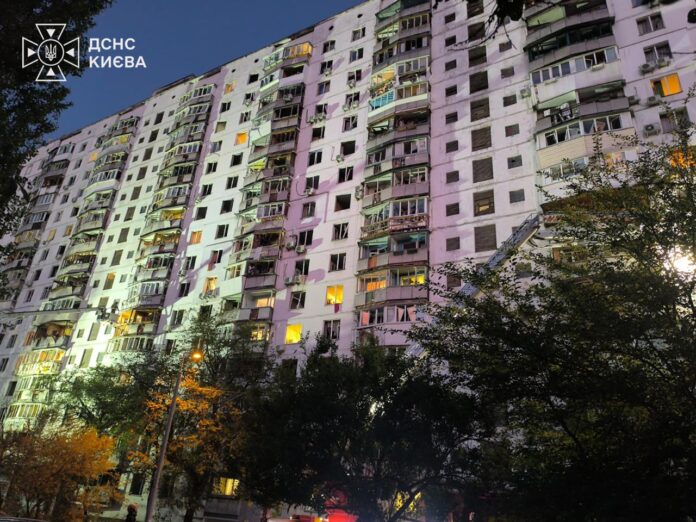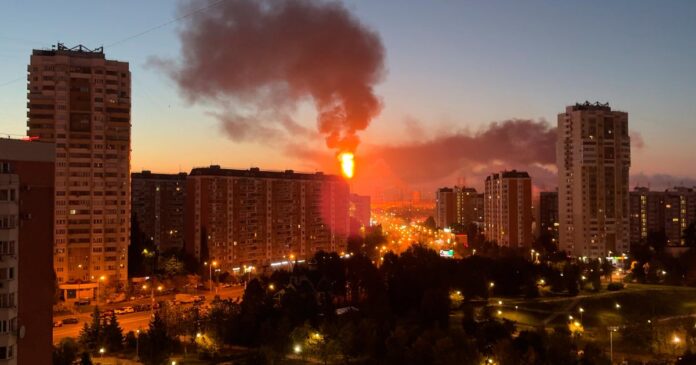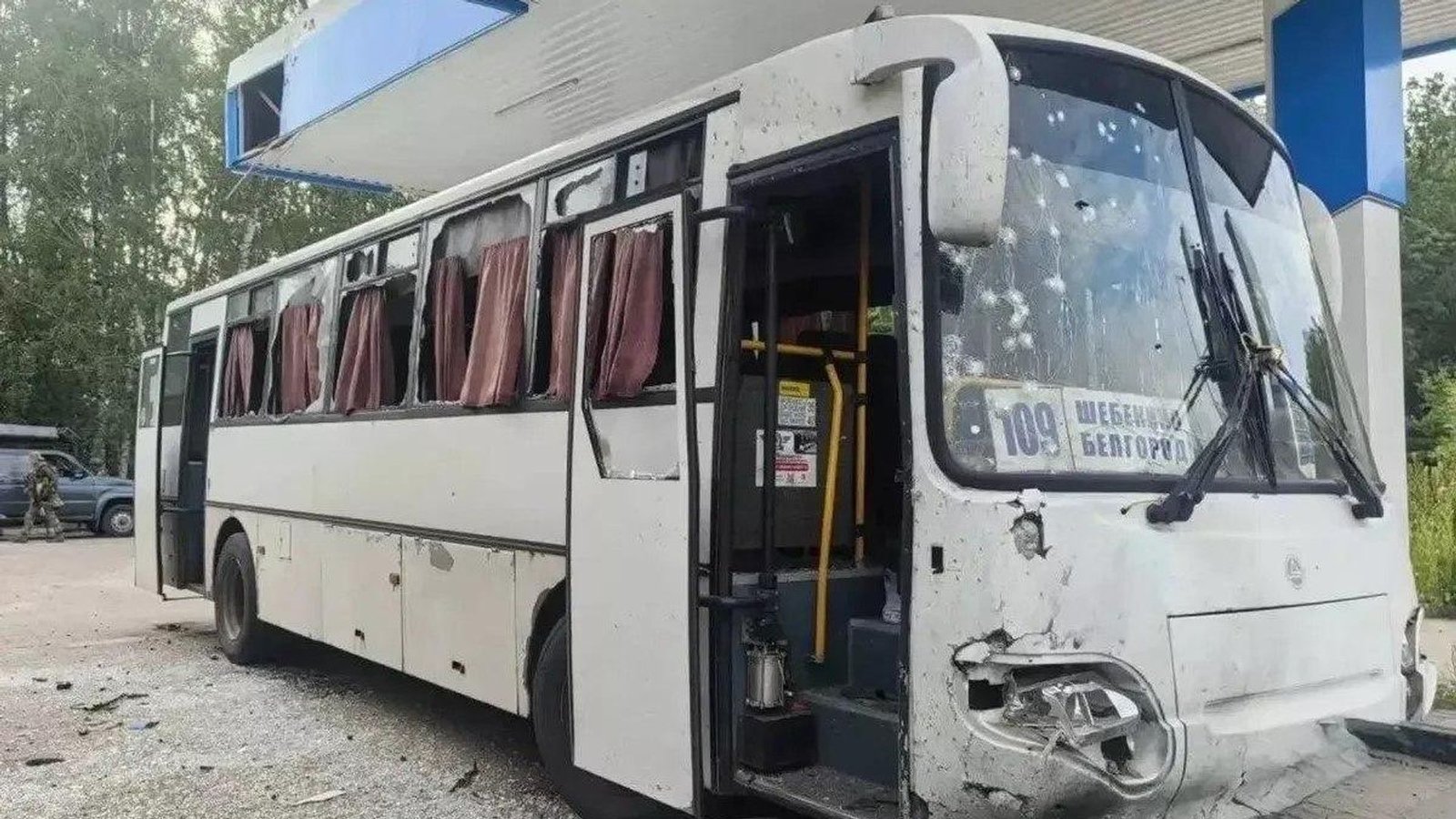

BELGOROD – Four civilians were killed and 17 others wounded across Russia’s Belgorod region in a 24-hour period that saw 94 Ukrainian attacks strike 14 districts, regional Governor Alexander Shuvayev said Sunday. One of those killed was a child; TASS reported a teenage girl died in one of the drone strikes, with two more children among the 17 wounded. Russian air defense systems intercepted 159 Ukrainian drones during the same window, a figure that reflects both the scale of the campaign and the limits of what interception can prevent when attack volumes are this high.
Belgorod city was among the areas struck, along with the Valuysky, Graivoronsky, and Korocha districts. Ukrainian forces used a combination of aircraft, artillery, multiple rocket launchers, and drone-dropped explosive munitions in the attacks, Shuvayev said. The variety of delivery systems presents a coordination challenge for Russian defenses: interception resources optimized for one threat type cannot simultaneously address all others, and Ukrainian operations that mix platforms force defenders to prioritize in real time.
Shuvayev said emergency response teams had reached all affected districts and appealed to residents in frontline areas to follow evacuation guidance. Several residential structures were damaged or destroyed. The governor did not identify the child who was killed by district or age, or name the other victims.
Belgorod has become one of the most consistently struck Russian border regions since the Russian operation in Ukraine began. The region shares a lengthy border with Ukraine’s Kharkiv and Sumy oblasts, placing it within the effective range of artillery systems, rockets, and the drone platforms that Ukraine has developed in growing numbers since 2022. Kharkiv city itself is roughly 40 kilometers from the Russian border, and that proximity cuts in both directions: Ukraine’s reach into Belgorod is enabled by the same terrain that gives Russian forces a position from which to target northern Kharkiv oblast.
US military assistance to Ukraine has declined sharply in recent months, but that drawdown has not reduced the tempo of attacks on Belgorod. Ukraine has developed substantial domestic drone production capacity, and the platforms used in border-region attacks on Russia are largely domestically manufactured rather than American-supplied. The reduction in US arms deliveries has primarily affected heavier weapon systems rather than the drone and artillery campaign targeting Russian border regions. Russia has simultaneously tracked an escalation in Ukrainian drone activity across multiple theaters, including 635 drone incidents in the Black Sea and Azov regions during the same reporting window.
Ukrainian officials have rarely commented directly on specific cross-border strikes inside Russia. Kyiv frames such operations as legitimate military activity against logistics and military infrastructure, without detailing individual operations. Russia describes the same attacks as terrorist strikes on civilian infrastructure, a framing that carries domestic political consequences for how the Belgorod situation is presented to Russian audiences and that shapes Shuvayev’s public communications about the attacks.
Shuvayev has established a consistent practice of publishing daily damage and casualty tallies for Belgorod, a level of public transparency that is unusual among Russian regional officials and reflects both the genuine severity of the bombardment and the domestic pressure he faces from communities that have been living under sustained attack. That reporting practice makes Belgorod one of the better-documented cases of border-region civilian impact in the conflict, though without independent verification the figures depend entirely on what the governor’s office chooses to report.
What cannot be determined from available public information is where Sunday’s toll fits in Belgorod’s cumulative civilian casualty picture since 2022. Russia has not published comprehensive regional civilian casualty statistics for border areas, and independent monitoring in Belgorod is extremely limited. The pattern Shuvayev’s daily reports describe is one of sustained, grinding attrition in a region that was not a combat zone before February 2022 and that now absorbs the daily operational costs of a conflict it did not choose to host.