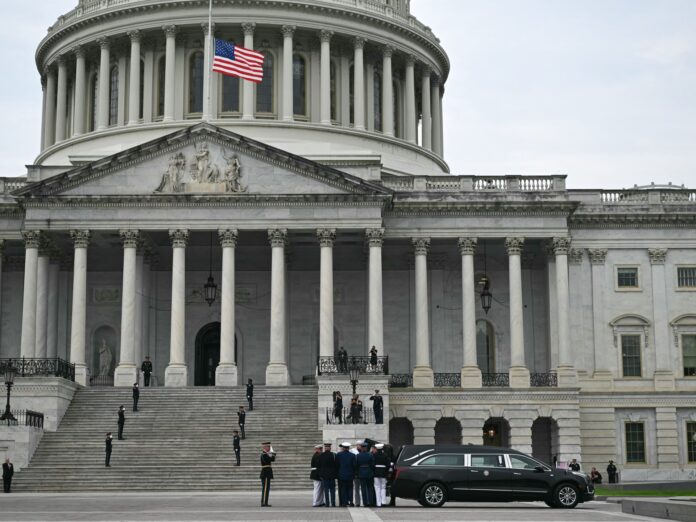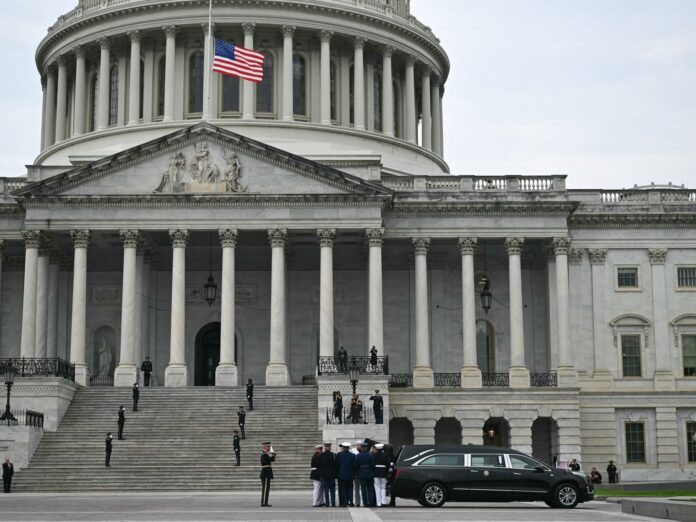

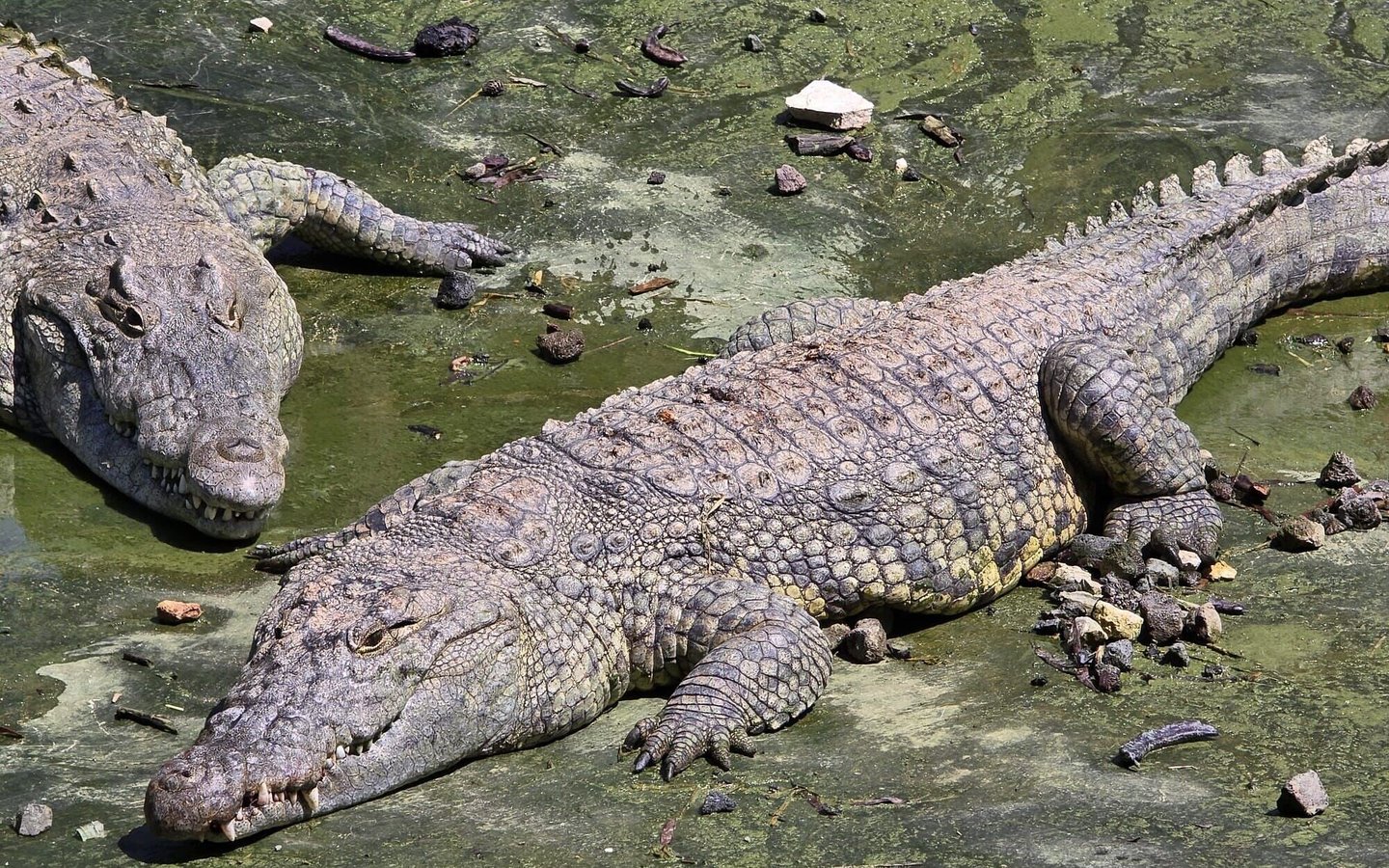
JERUSALEM — A Jerusalem District Court has ruled that Israel’s National Security Minister Itamar Ben-Gvir cannot use crocodiles to guard Palestinian security detainees at Ketziot Prison, a facility in the Negev desert with a documented history of international criticism for conditions that human rights organizations have described as falling below the standards required by international humanitarian law. The ruling came on a petition filed by Let the Animals Live, an Israeli animal rights organization. The animals in question were what prompted the legal challenge. The human beings who would have faced them were not the petitioners.
Ben-Gvir, who oversees Israel’s prison authority as the coalition government’s national security minister, had announced his intention to station crocodiles at Ketziot as part of what he has described as a deterrence program for prisoners designated by Israel as security detainees. Following the court’s order blocking the plan, Ben-Gvir responded by accusing the judges of taking the wrong side. “Once again, in a time of war, the legal system sides with the terrorists, thwarting important steps for Israeli deterrence,” he said, as quoted by the Jerusalem Post.
The minister’s framing converts a fundamental question of prisoner treatment into a national security argument, a rhetorical move Ben-Gvir has made repeatedly during his tenure. The deliberate introduction of dangerous animals into a detention environment for the purpose of intimidation or deterrence is not a matter left to security policy discretion. It is prohibited under the international frameworks that govern how states treat persons in their custody, regardless of the charges those persons face or the labels applied to them by their captors.
Article 16 of the United Nations Convention Against Torture prohibits state parties from engaging in acts of cruel, inhuman, or degrading treatment or punishment against any person in their custody. The obligation applies to all detainees, including those convicted of or held on suspicion of violent offenses. A government’s designation of prisoners as terrorists does not modify those obligations, which attach to the custodial state regardless of what the detainee is alleged to have done. Israel is a signatory to the Convention Against Torture.
The UN Standard Minimum Rules for the Treatment of Prisoners, known as the Mandela Rules, establish baseline requirements for the physical conditions, disciplinary measures, and treatment applicable to all detained persons. Those rules prohibit any practice designed to cause suffering, fear, or humiliation. Stationing predatory animals in a prison perimeter as a deterrent measure directed at prisoners falls within what those rules prohibit. They are not optional guidelines; they are the standards UN monitoring bodies use to assess whether member states, including Israel, are meeting their treaty obligations.
Ketziot Prison is not a neutral backdrop for this dispute. Human Rights Watch has documented conditions at Israeli detention facilities holding Palestinian security detainees. Amnesty International has raised concerns about Ketziot specifically. The Israeli human rights organization B’Tselem has catalogued a deterioration of conditions at Israeli detention facilities since October 7, 2023, attributing part of that deterioration to policy decisions made under Ben-Gvir’s authority as national security minister. Ben-Gvir has publicly sought to reduce legal protections for security detainees, arguing that current conditions are too favorable and undermine Israeli deterrence.
Ben-Gvir’s program has included restrictions on family visits, reduced access to education programs and legal representation, and tightened physical conditions at facilities holding Palestinian prisoners. The crocodile proposal is extreme in its particulars but consistent in its logic with a broader effort to use detention conditions as an instrument of political and military deterrence, a use that international law explicitly prohibits regardless of the security environment cited as justification.
The court’s ruling is narrow in its scope. Let the Animals Live filed the case on behalf of the animals, not the prisoners. The most effective legal intervention against this specific policy came from an animal welfare petition rather than a human rights complaint, which reflects a pattern that lawyers monitoring Israeli detention cases have noted: legal challenges brought on behalf of security detainees face higher procedural and political barriers in Israeli courts than other civil claims. The prisoners who would have been exposed to the crocodiles had no standing to bring the petition that stopped the plan.
Ben-Gvir’s response to the ruling tells its own story. A minister who describes a court order preventing the use of dangerous animals as prison guards as the legal system “siding with the terrorists” is making an explicit argument that persons in his custody should not expect legal protection from the state holding them. That argument is incompatible with Israel’s treaty obligations and with the standards Israel’s own courts have consistently affirmed apply within the prison system regardless of security classifications. The crocodile plan has been blocked. The program it belongs to has not.