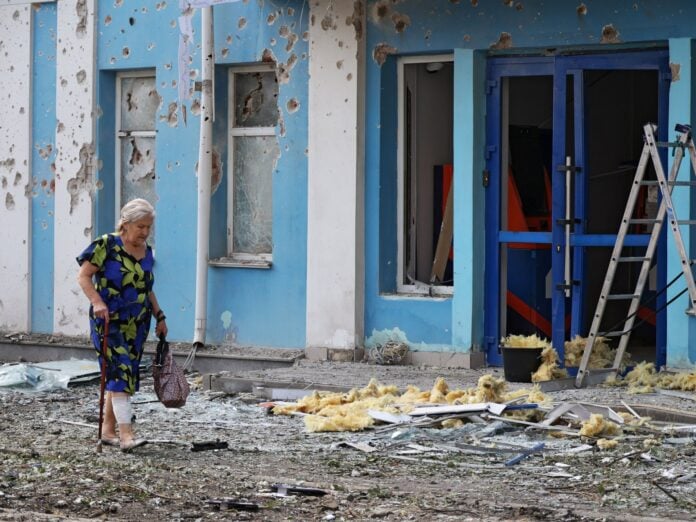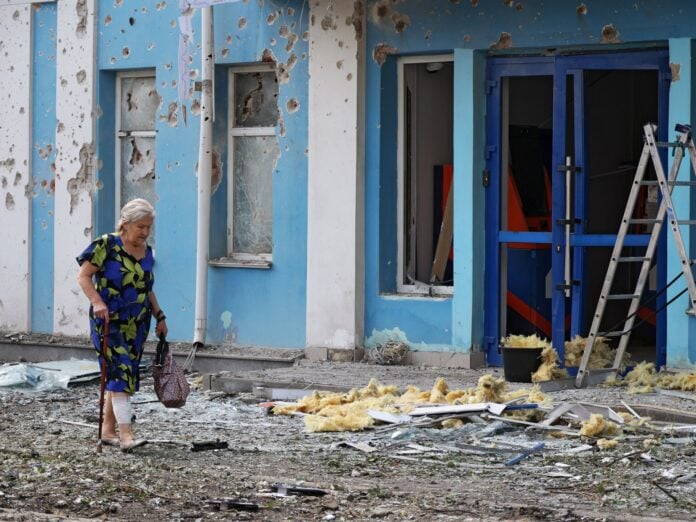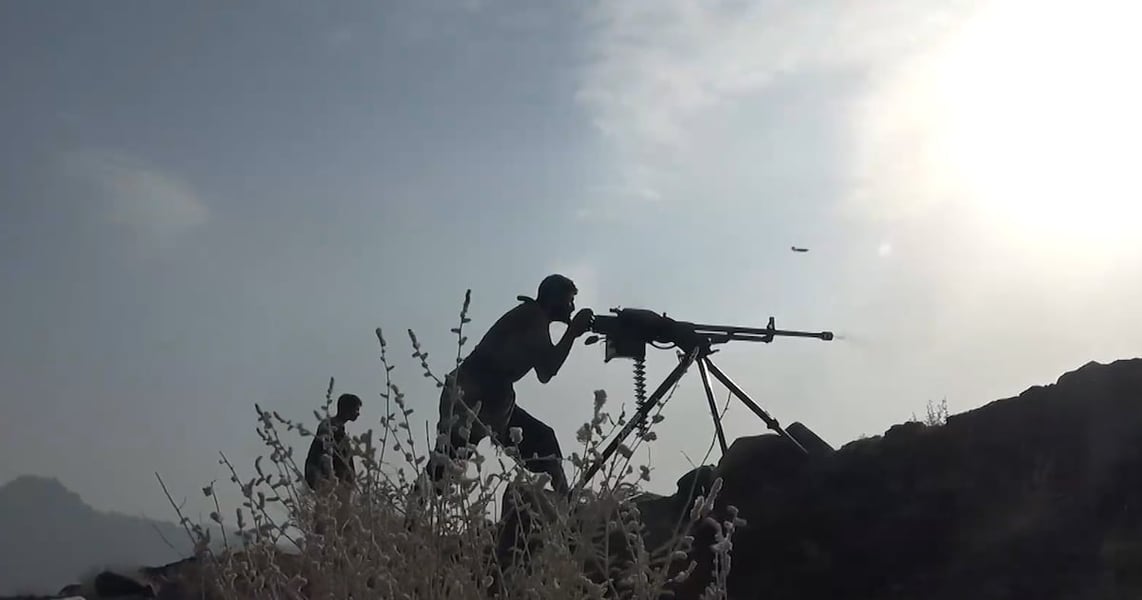

RIYADH — Air-raid sirens sounded over Jeddah and Mecca on Tuesday, as Saudi Arabia’s Civil Defence told residents to shelter indoors and the kingdom’s coalition military command promised a “firm” retaliation for the latest Houthi missile and drone strikes, which left 13 civilians wounded across three southern cities and damaged homes in a belt of territory the kingdom had not expected to be in range a month ago.
The Riyadh-led coalition confirmed the previous night’s attacks on Khamis Mushait, Abha, and Taif, reporting seven homes and two vehicles damaged. “The Joint Forces Command of the Coalition will deal with these attacks responsibly and firmly to protect the sovereignty of the kingdom,” said spokesman Major-General Turki al-Maliki, adding that Saudi Arabia would take “all necessary operational measures to deter this hostile and extremist approach.”
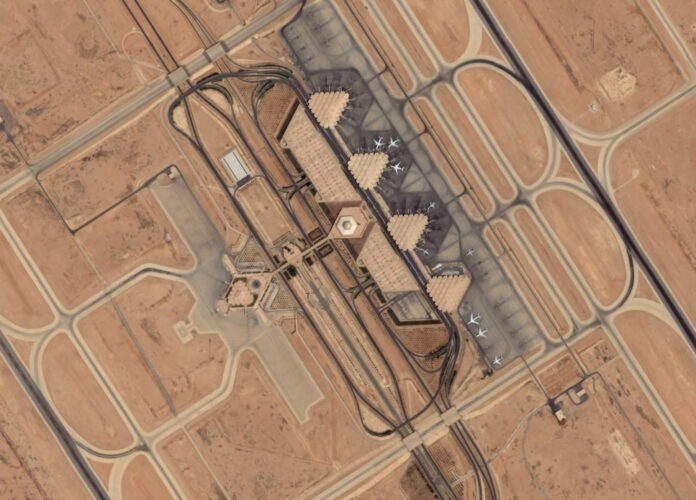
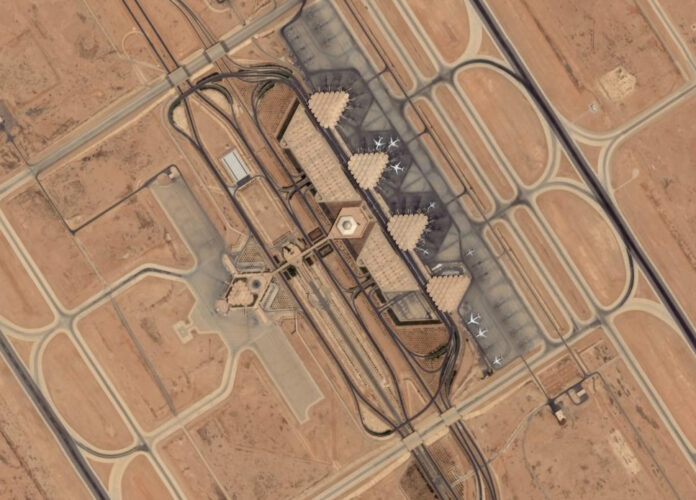
Saudi warplanes launched 54 air raids across Lahj, Taiz, al-Jawf, Marib, and Hajjah in retaliation, according to Houthi military spokesman Yahya Saree, who identified the aircraft as F-15s and Typhoons flying from the Khamis Mushait and Taif air bases. Those are the same Saudi installations where Houthi ballistic missiles struck King Khalid air base just days earlier, underscoring how the conflict’s geography has compressed around the kingdom’s own military infrastructure.
The displacement figure behind the airstrikes tells a harder story. Nearly 94,000 people have been forced from their homes by fighting along Yemen’s western front, up from 80,000 three days earlier, according to The National, which cited figures from the United Nations High Commissioner for Refugees. That pace, 14,000 newly displaced in 72 hours, reflects the speed of the Houthi advance along Yemen’s Red Sea coast, where the group’s forces have moved steadily southward through a corridor that Saudi Arabia’s coalition has bombed for weeks without halting.
Al Jazeera reported from Sanaa that Houthi military spokesman Yahya Saree threatened further retaliation for Tuesday’s Saudi air raids, without specifying a timeline or a target. The cycle since late August has been consistent: Houthi missiles and drones reach Saudi cities, the coalition responds with air strikes on Yemen, civilian displacement accelerates on both sides of the border, and no party’s operational tempo changes in a way that alters the trajectory of the war.
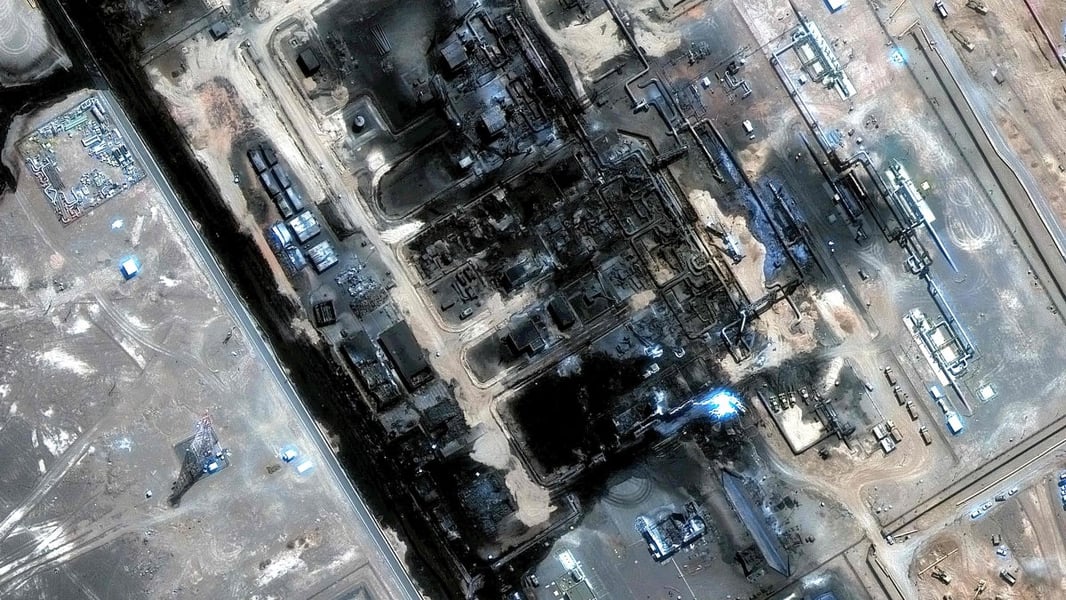
The commercial effect has been swift. Saudi crude production has fallen from 8.5 million barrels per day in July to roughly 6.2 million barrels per day following a succession of strikes on Saudi Aramco pipeline infrastructure and coastal export facilities, a decline that exceeds the worst single-month drops recorded during previous oil crises. International Energy Agency data put global August supply at a 30-year low. Brent crude has held above $100 per barrel since last week. Tuesday’s air-raid alerts in Yanbu carried that context explicitly: a strike on the terminal would remove what remains of Saudi Arabia’s export capacity at a moment when no spare capacity exists globally to compensate.
What Saudi Arabia’s coalition has not specified is what a “firm” response means beyond the air campaign already under way. Strikes on Yemen have run at a consistent daily tempo for three weeks. They have not halted the Houthi advance along the coast, stopped the missile and drone salvos into Saudi cities, or restored access to either export corridor. Whether Riyadh is preparing a ground operation in Yemen, a naval escalation around Bab al-Mandab, or a diplomatic ultimatum backed by something more than air power has not been stated publicly.
The Trump administration has been absent from that calculation in any visible way. Washington endorsed the Saudi coalition’s air operations in late August before shifting its focus to the American naval standoff with Iran over Hormuz, a posture that has left Riyadh managing the Yemen dimension of the conflict without coordinated American support. Neither the White House nor the State Department issued a response to Tuesday’s coalition warning.
The 94,000 displacement figure may itself undercount the toll. United Nations monitoring missions along Yemen’s Tihama plain, the coastal lowlands running from Hodeidah toward Bab al-Mandab, have faced restricted access since early September. What the Houthi western offensive has cost in full, measured in civilian casualties, infrastructure damage, and displacement inside Yemen, remains an open account. Saudi Arabia has the airpower to raise the cost of that offensive. Whether a “firm” response, when it arrives in a form distinguishable from the current tempo of air strikes, can reopen both chokepoints remains the question Riyadh has not yet answered.