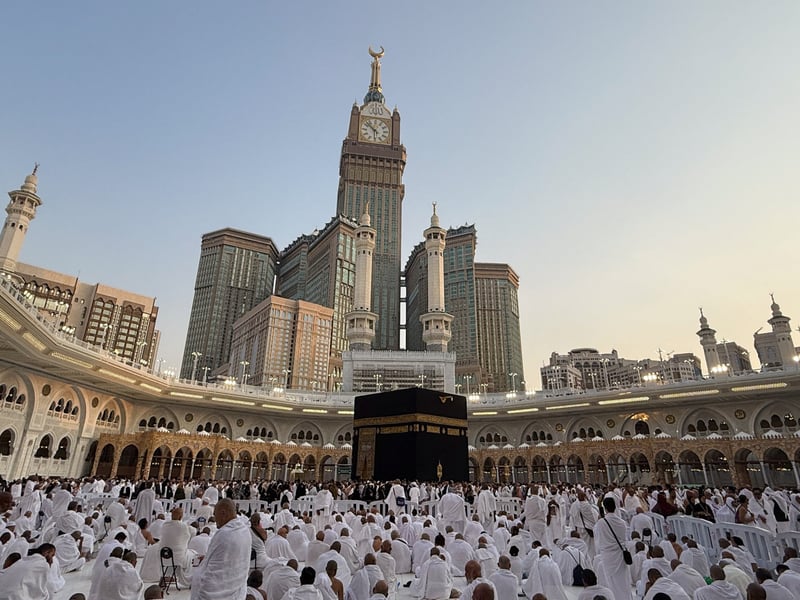

MECCA/RIYADH — For a few minutes on Tuesday night, a security alert hung over the holiest city in Islam.
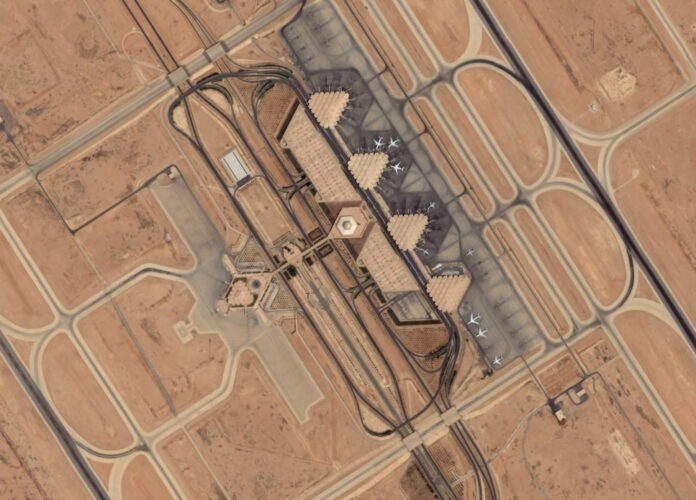
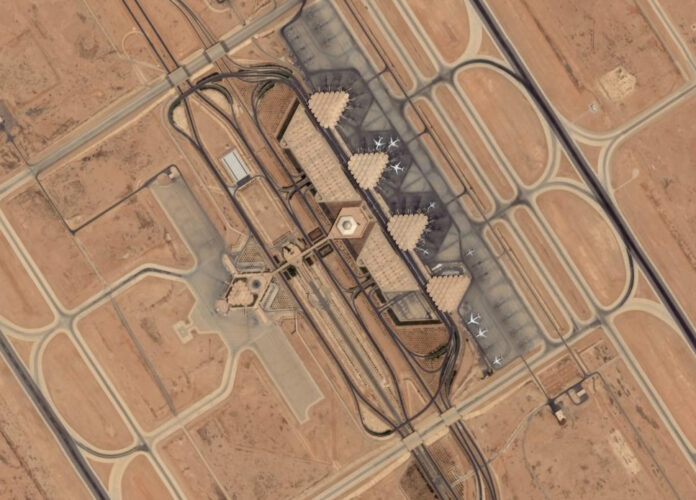
Saudi air defenses intercepted a drone headed toward Mecca, the kingdom’s military coalition announced Wednesday, declaring the security of the Two Holy Mosques an unconditional “red line” and threatening “necessary and deterrent measures” against those responsible. Yemen’s Houthi movement denied the allegation with force: their military spokesman said his forces targeted only oil facilities and military bases, while their political bureau called the accusation a “discredited lie.” The Saudi announcement had nonetheless done something that weeks of strikes on oil infrastructure and the displacement of tens of thousands of civilians could not. It forced the question of whether the Iran war’s expanding front was moving toward the Grand Mosque itself.
The Saudi-led coalition spokesperson Turki al-Maliki said Royal Saudi Air Defence Forces intercepted the hostile drone before it entered restricted airspace over the city on Tuesday evening. It was, according to the coalition, the first time in almost a decade that Mecca had been targeted, comparable only to a 2017 episode when a ballistic missile was intercepted before reaching the city. Al-Maliki condemned the incident as a deliberate attempt to “frighten worshippers and harm civilians.” The coalition’s statement was unambiguous: “The security of the Two Holy Mosques and the pilgrims is a red line, and the Joint Forces Command of the Coalition will not hesitate to take the necessary and deterrent measures against the terrorist Houthi militia.”
Saudi Arabia issued emergency alerts for Mecca, Taif, and Jeddah on Tuesday, the first such alerts for the holy city since the conflict began in February. The alerts lasted only minutes before being lifted, but the fact of their issuance carried its own weight. Mecca hosts millions of pilgrims at peak hajj season and sits at the center of Islamic devotion for over a billion people. Placing it under a security alert, even briefly, signaled a threshold the war had reached that Saudi officials had previously treated as unimaginable.
Houthi military spokesman Yahya Saree said in an early morning statement that his forces had targeted Saudi oil facilities and military bases “far removed from the holy places.” Hizam al-Assad of the Ansar Allah political bureau was more pointed, describing the Saudi claim as “a discredited lie that has worn out and no longer deceives anyone.” The Houthis also said Wednesday they had shot down a Saudi fighter jet over Yemen’s Hajjah province, a separate claim Saudi Arabia had not confirmed by mid-morning. The competing accounts leave a central question unresolved: where was the intercepted drone headed, and who launched it? Saudi Arabia says it has the evidence. The Houthis deny the premise.
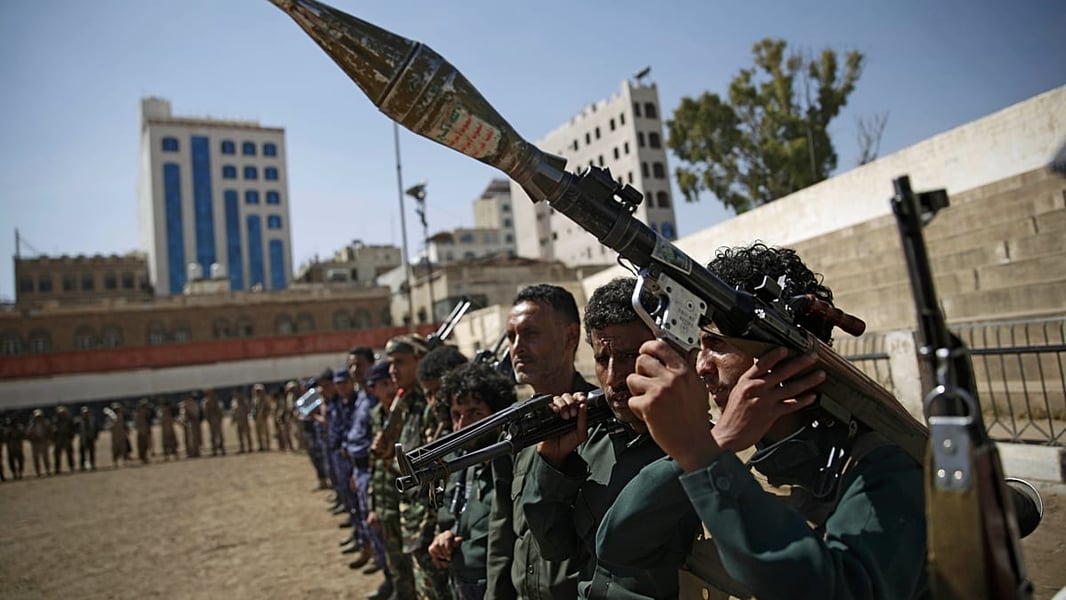
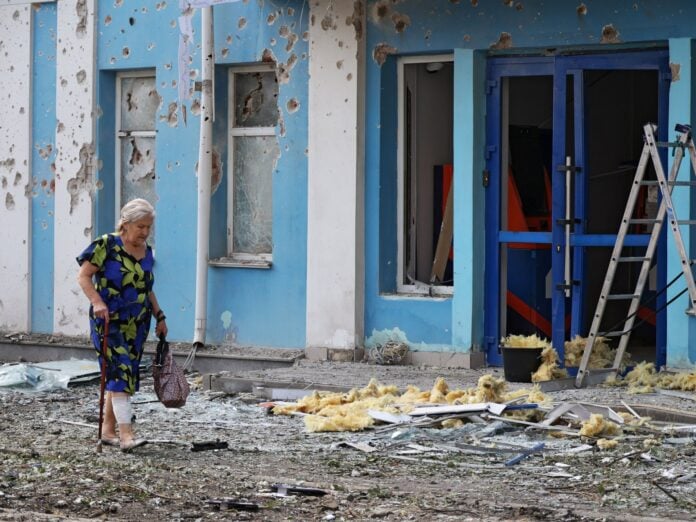
The Houthis have widened the geographic scope of their operations with each passing week. Their campaign began with Red Sea shipping attacks and moved to strikes on Saudi oil infrastructure, then to attacks on populated areas producing the displacement Saudi officials described this week. Euronews reported that the group also claimed to have downed a Saudi fighter jet over Hajjah province Wednesday, extending the information contest beyond the Mecca accusation itself. If the coalition’s account of Tuesday’s drone is accurate, that expansion has now reached a target the Houthis have consistently insisted they would never pursue.
Across the Muslim world, the report of a drone near Mecca drew swift condemnation directed at whoever was responsible. That qualifier carries weight. The Houthi denial is not without an audience in parts of the Arab world, where the group has cultivated support by framing its operations as resistance to US-Israeli regional policy. The claim that Saudi Arabia fabricated a Mecca attack to discredit the movement circulated within hours. According to Al Jazeera, Muslim-majority governments and religious institutions have largely backed the position that the sanctity of the holy cities must be respected regardless of the conflict’s cause.
Saudi Arabia’s position in the conflict has grown more complex as the fighting deepens. Riyadh opened its airspace and bases to the US-led campaign against Iran at the outset, calculating the war would conclude before the cost reached Saudi territory. That calculation has not held. The kingdom now absorbs Houthi retaliation at a scale it did not anticipate: a disabled pipeline, a displaced population, and now an emergency alert over Mecca. What “necessary and deterrent measures” means in practice, and whether those measures will alter a Houthi operation that has grown larger with each passing month, is what the coming days will begin to establish.