
KYIV – The petrol stations in Sevastopol ran out first. Residents of the Black Sea port that houses Russia’s Crimean military command began queueing at stations that could no longer guarantee supply, days after Ukrainian forces struck nine fuel-carrying vessels in a single afternoon. By midweek, electricity blackouts had spread across more than 12 regions of the occupied peninsula.
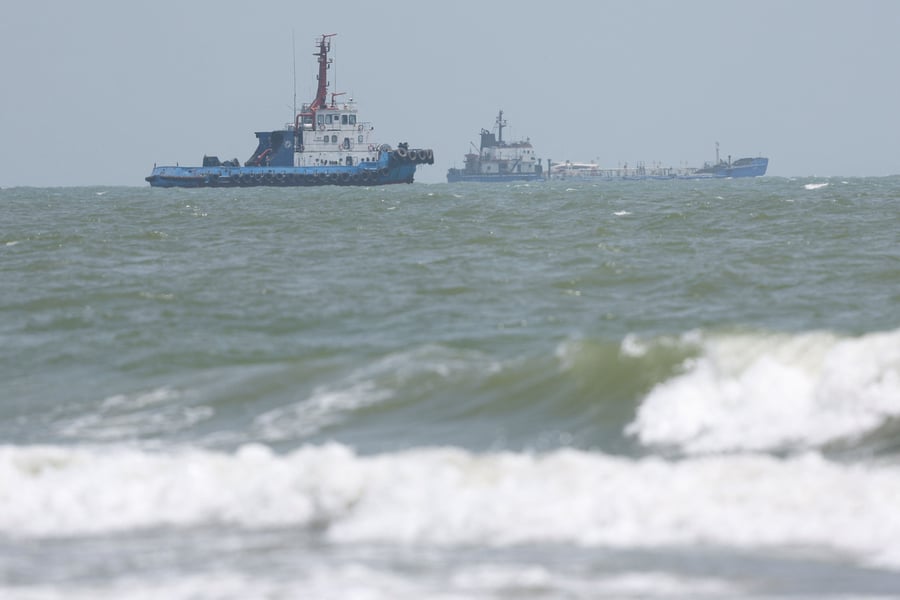
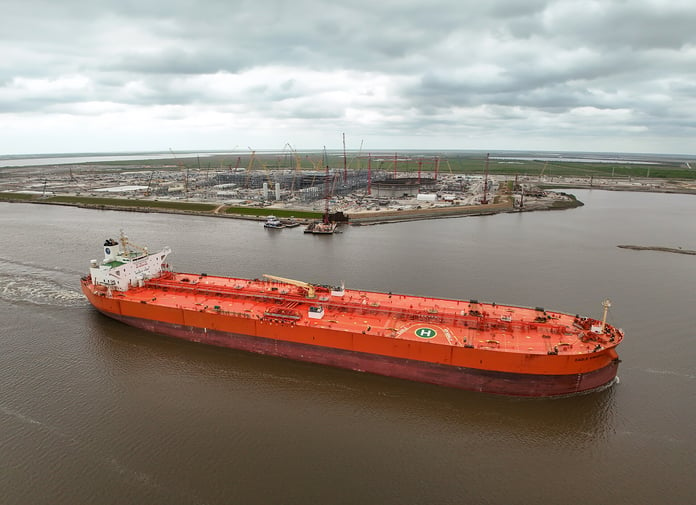
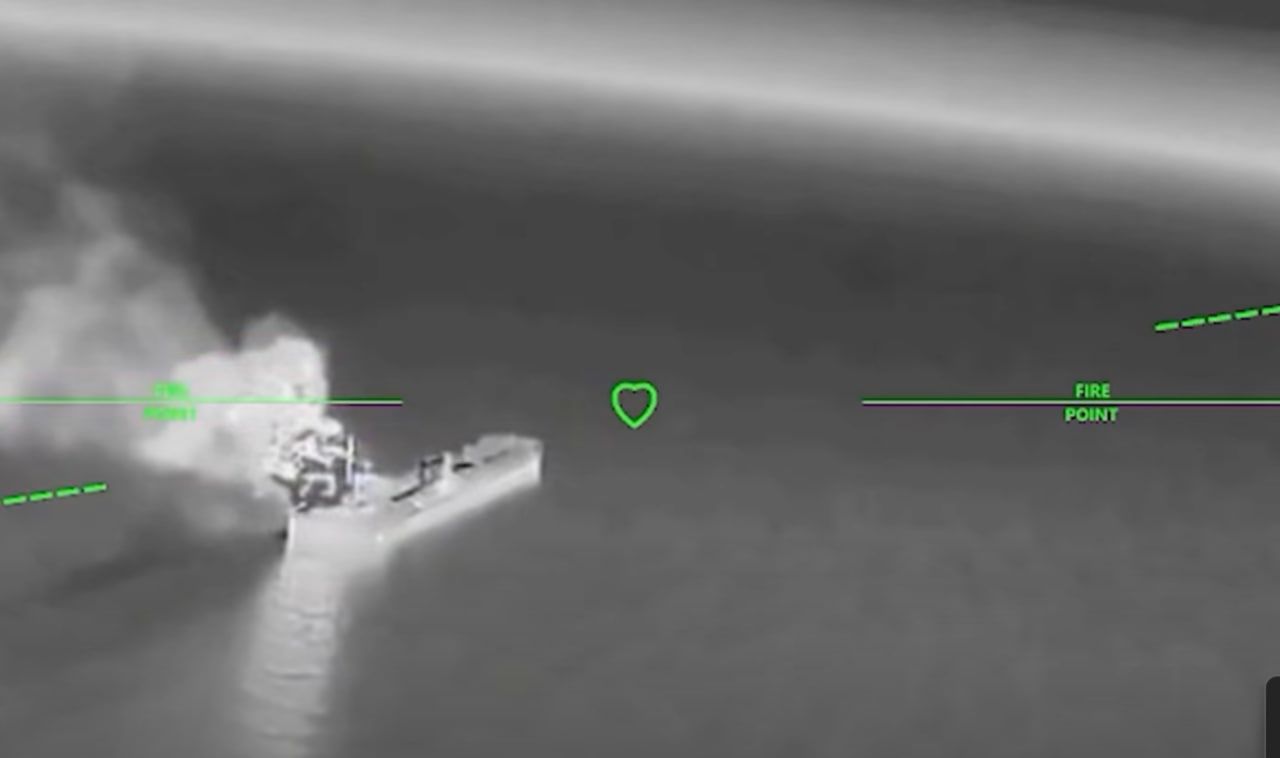
Ukraine’s naval campaign against Crimea’s fuel logistics intensified sharply between July 6 and 8, when forces struck 19 vessels – tankers, a cargo ship, and a ferry – in what Ukrainian commanders described as a targeted effort to sever the sea routes that Russia depends on to supply the peninsula. Commander Robert Brovdi, who leads Ukrainian naval operations in the Black Sea, confirmed that nine vessels were struck on July 7 alone.
Ukrainian President Volodymyr Zelenskyy placed the strikes within a clear strategic frame. “We were slowing down the militarisation of our peninsula occupied by Russia,” he said. Ukrainian Navy spokesman Dmytro Pletenchuk was more direct about Russia’s predicament. “They had few options left. It’s either a land corridor or a sea connection.”
Civilian fuel supply to Sevastopol halted almost immediately after the strikes. The city, which Russia uses as the primary basing point for its Black Sea Fleet, relies on tanker deliveries for a significant share of its petroleum supply. With those deliveries disrupted, fuel prices rose sharply and availability collapsed within days of the strikes. Fuel stations displayed empty pumps or imposed strict rationing limits on purchases.
The electricity situation across Crimea deteriorated alongside the fuel shortage. Russian-appointed officials acknowledged blackouts affecting more than a dozen regions on the peninsula, with outages lasting several hours in some areas. Ukrainian officials attributed part of the disruption to damage sustained by electrical relay stations and infrastructure connected to the Russian military grid across Crimea.
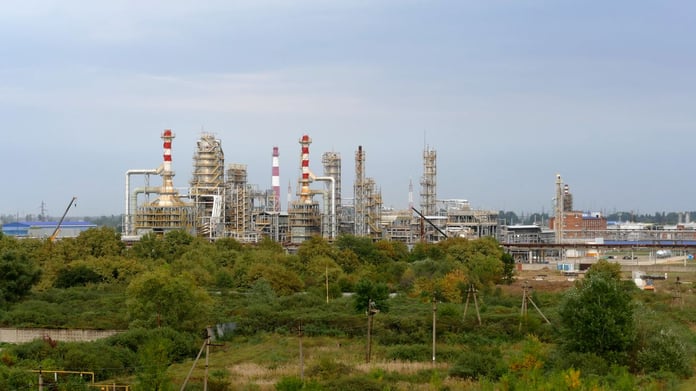
The fuel campaign fits within a broader pattern of Ukrainian strikes on Russian energy infrastructure. Over the past year, those strikes have degraded Russian oil refining capacity by approximately 43 percent, according to Ukrainian accounts and independent energy tracking data. A Ukrainian drone struck the Omsk refinery in Siberia earlier this month – more than 2,500 kilometres from Ukrainian territory – a reach that underscored how far Ukraine’s long-range drone programme now extends beyond the immediate front lines. Ukrainian officials have cited $13.5 billion in infrastructure damage inflicted on Russian-controlled territory since the start of the Russian military operation.
Russia’s supply lines to Crimea have been under sustained pressure since October 2022, when Ukrainian strikes first damaged the Kerch Bridge, the peninsula’s main overland connection to Russia. The bridge has since been partially repaired, but it remains a regular target, and Russia has moved much of its resupply to sea routes as a result. That shift toward sea logistics is now the vulnerability Ukraine’s naval campaign is targeting. By making tanker supply unreliable, Ukraine forces Russia to choose between logistically difficult land alternatives or accepting prolonged disruption to Crimea’s civilian and military supply.
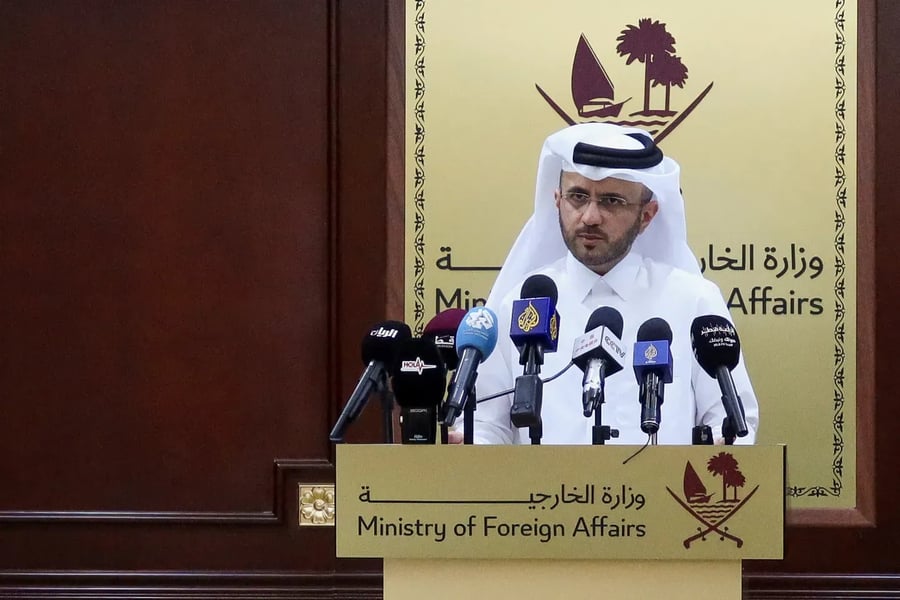
Russia has previously expanded its energy export routes to compensate for pressure on specific supply chains, but Crimea’s geography limits those options. The peninsula connects to mainland Russia primarily through the Kerch Bridge and across Black Sea sea lanes, both of which are now subject to regular Ukrainian attack. Al Jazeera, which reported on the strikes and their consequences, noted the disruption to civilian supply as evidence that Ukraine’s campaign was affecting the local population as much as military infrastructure.
For Russia’s Black Sea Fleet, the operational picture in Sevastopol has deteriorated significantly over the course of the Russian military operation. Multiple vessels have been sunk or damaged by Ukrainian naval drones; the fleet has repositioned a portion of its assets away from Sevastopol in response to persistent Ukrainian strike capability. Russia has described the moves as routine; independent tracking data suggests the fleet’s operational presence in the harbour has diminished substantially since 2022.
Dutch Prime Minister Dick Schoof this week called for deeper Ukrainian strike authorisations against Russian territory, placing himself in a growing camp of European leaders arguing that existing restrictions on long-range Ukrainian operations limit Kyiv’s ability to degrade Russian logistics effectively. The Crimea fuel strikes fall within the operational envelope Ukraine’s partners have already endorsed; deeper authorisations would extend that envelope further into mainland Russia.
Sevastopol’s residents face an immediate material problem distinct from any geopolitical framing. Fuel shortages and rolling blackouts are daily realities that military strategy discussions do not resolve quickly. For the commanders planning the campaign, that disruption is a measure of the operation’s effect. For the people queueing at empty stations, it is simply what happens when the supply chain fails.
Related Posts