
ATHENS – Vagia Nestora was 72 years old when she stepped outside on July 1 to try to put out a fire. The flames were coming from under the car that belonged to her daughter, Afroditi, a parliamentary candidate for the ruling New Democracy party in the northern city of Thessaloniki. The bomb had already done its work. Vagia Nestora died from injuries sustained trying to extinguish it.
Greek anti-terrorist police announced Friday that they had arrested three people in connection with the coordinated dawn attacks that targeted the homes and vehicles of three New Democracy politicians in Thessaloniki nine days earlier. The suspects’ identities raised as many questions as they answered about who had organized Greece’s most politically concentrated bombing campaign in decades.
A 29-year-old man was detained in Thessaloniki and a 26-year-old woman on the southern island of Crete. A third man was arrested separately on suspicion of having sheltered the two. Greek authorities did not publicly name any of the three, and said the investigation remained active.
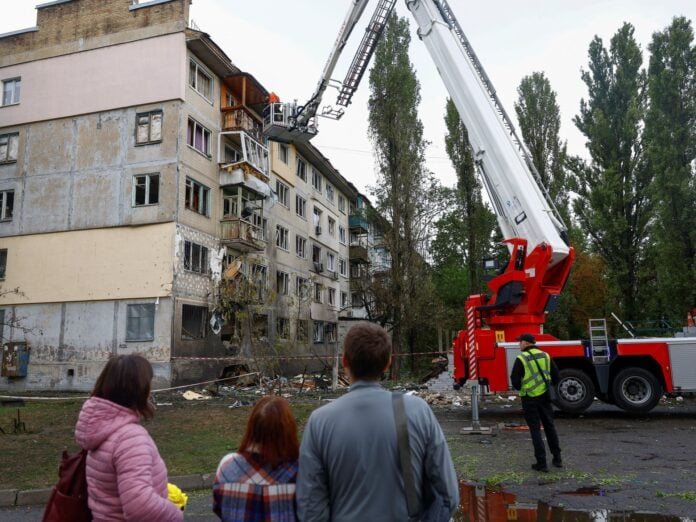
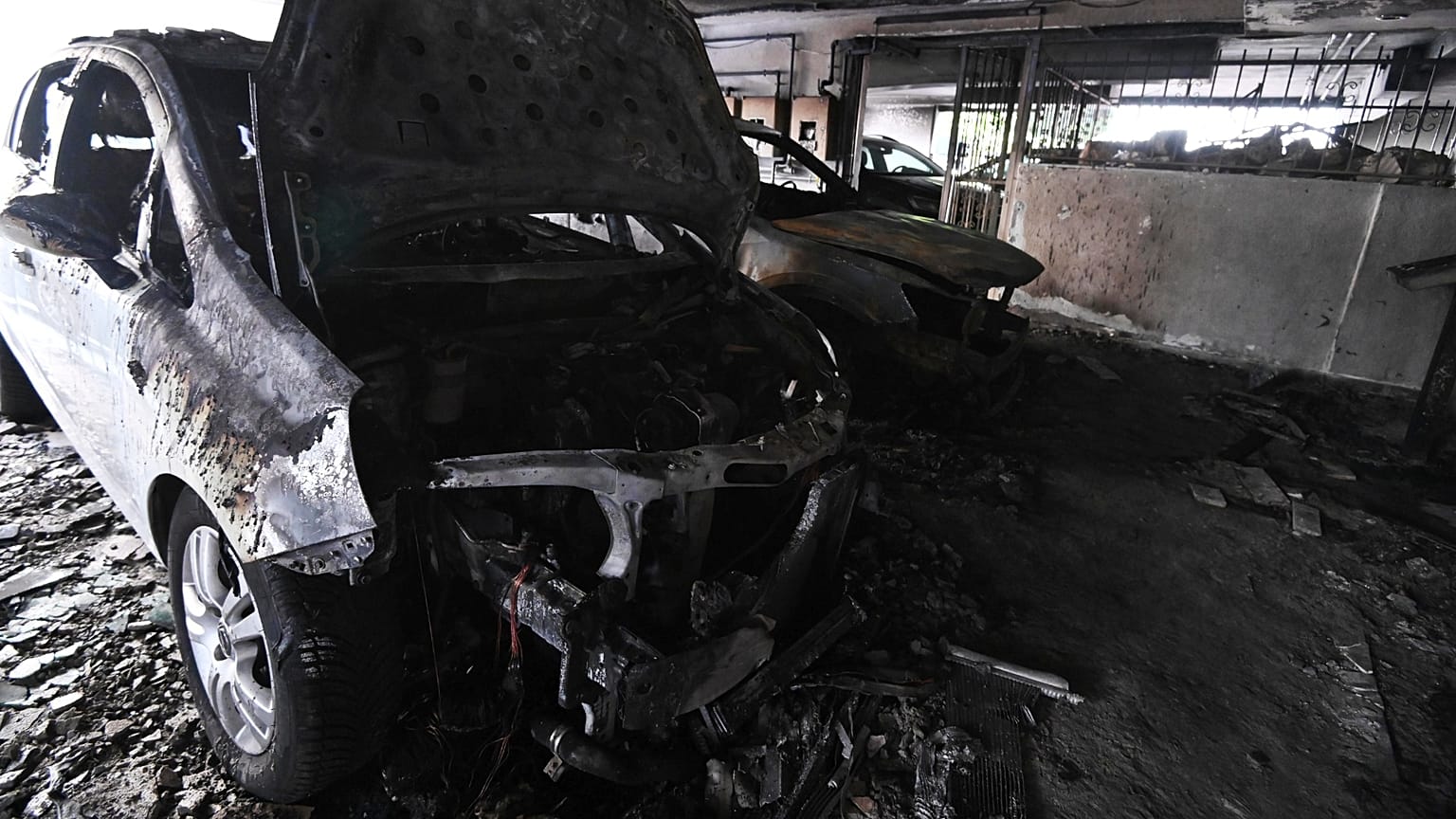
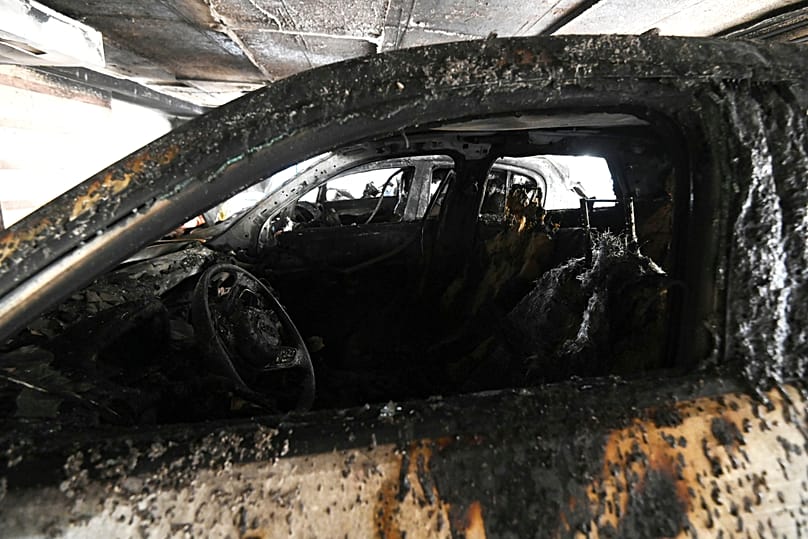
The July 1 attacks took place in the early hours before dawn. Homemade explosives – crude devices constructed from camping gas canisters – were placed under vehicles parked at or near the homes of the three politicians. Beside the car belonging to Nestora, four other vehicles were destroyed in the garage of her apartment block. Five people were injured across the three locations.
The other politicians targeted were Zisis Ioakimovic, the local executive committee chairman for New Democracy, and Savvas Anastasiades, a former Member of Parliament. The near-simultaneous nature of the attacks – three locations, three targets, the same type of device – pointed to planning and coordination that Greek investigators have not publicly attributed to any known domestic extremist group.
The attacks come at a time of heightened political tension in Greece, with elections anticipated within the current parliamentary term. New Democracy, in power since 2019 and re-elected with a strengthened mandate in 2023, has faced opposition from several directions, including street protests over rising living costs and what critics describe as the government’s media concentration policies. The targeting of local-level party officials – rather than cabinet ministers – suggests perpetrators with a particular focus on the party’s organizational infrastructure rather than its national figures.
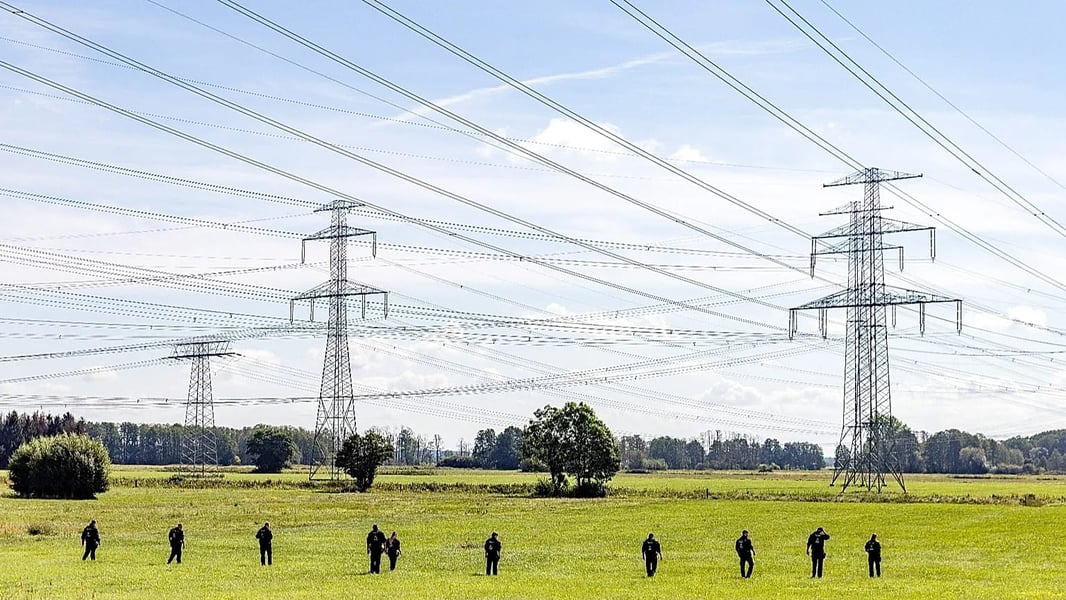
Prime Minister Kyriakos Mitsotakis said Friday’s arrests represented the rule of law asserting itself against political violence. “It is democracy’s answer to violence,” he said. “Democracy’s only answer to violence.” According to Euronews reporting on the arrests, Greek police described the investigation as a significant breakthrough in what had been an active cross-country manhunt involving forensic evidence and surveillance footage.
Greece has a documented history of domestic political violence stretching back to groups like November 17, which carried out assassinations and bombings from 1975 until its members were convicted in 2003. The organization Conspiracy of Fire Nuclei has continued operating intermittently since, targeting judges, politicians, and financial institutions. Whether the Thessaloniki attacks are linked to any existing network, or represent something new, is a central question investigators have not publicly answered. Greek intelligence had previously uncovered a separate bomb-making operation in Athens tied to a suspect detained on Crete, though officials have not publicly connected that case to the current one.
None of the three arrested suspects have been linked publicly to any named organization. Police have not disclosed what evidence connected them to the devices, nor what specific roles they are alleged to have played. The investigation’s cross-country reach – involving an arrest in Crete and the shelter arrangement – suggests a network that extends beyond the attack site, but its shape remains unclear.
Afroditi Nestora, the parliamentary candidate whose car was bombed and whose mother died in the aftermath, has not made a public statement since the arrests were announced. The three people now in custody represent what Greek anti-terrorist police consider significant early progress in a case that began nine days ago with three simultaneous explosions before the city was awake. Whether they represent the full picture of who planned and ordered the attacks, Greek authorities have not yet said.