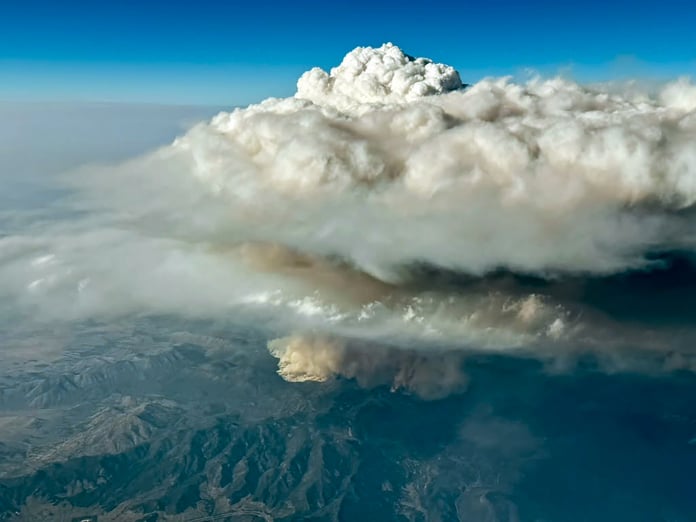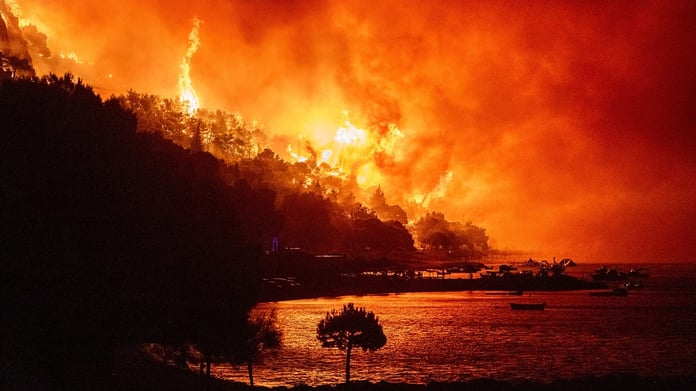

ATHENS – A fishing boat captain who had ferried tourists to beaches along the Gulf of Corinth for thirty years spent Saturday morning carrying families and their hastily packed bags away from Porto Germeno instead. Around three hundred people were evacuated by sea as gale-force winds drove a wildfire into the resort town from three directions, cutting off road access and forcing authorities to turn to the water.
The Porto Germeno evacuation framed a day of contrasting fortunes across Europe’s fire-battered south. In France, Prime Minister Sébastien Lecornu declared on Saturday that the worst wildfire season the country had seen in seventy years was, at least for now, under control. “Overall, the fires are now under control in our country,” Lecornu said. In Greece, a country that had watched three of its firefighters die this week, that moment had not arrived.
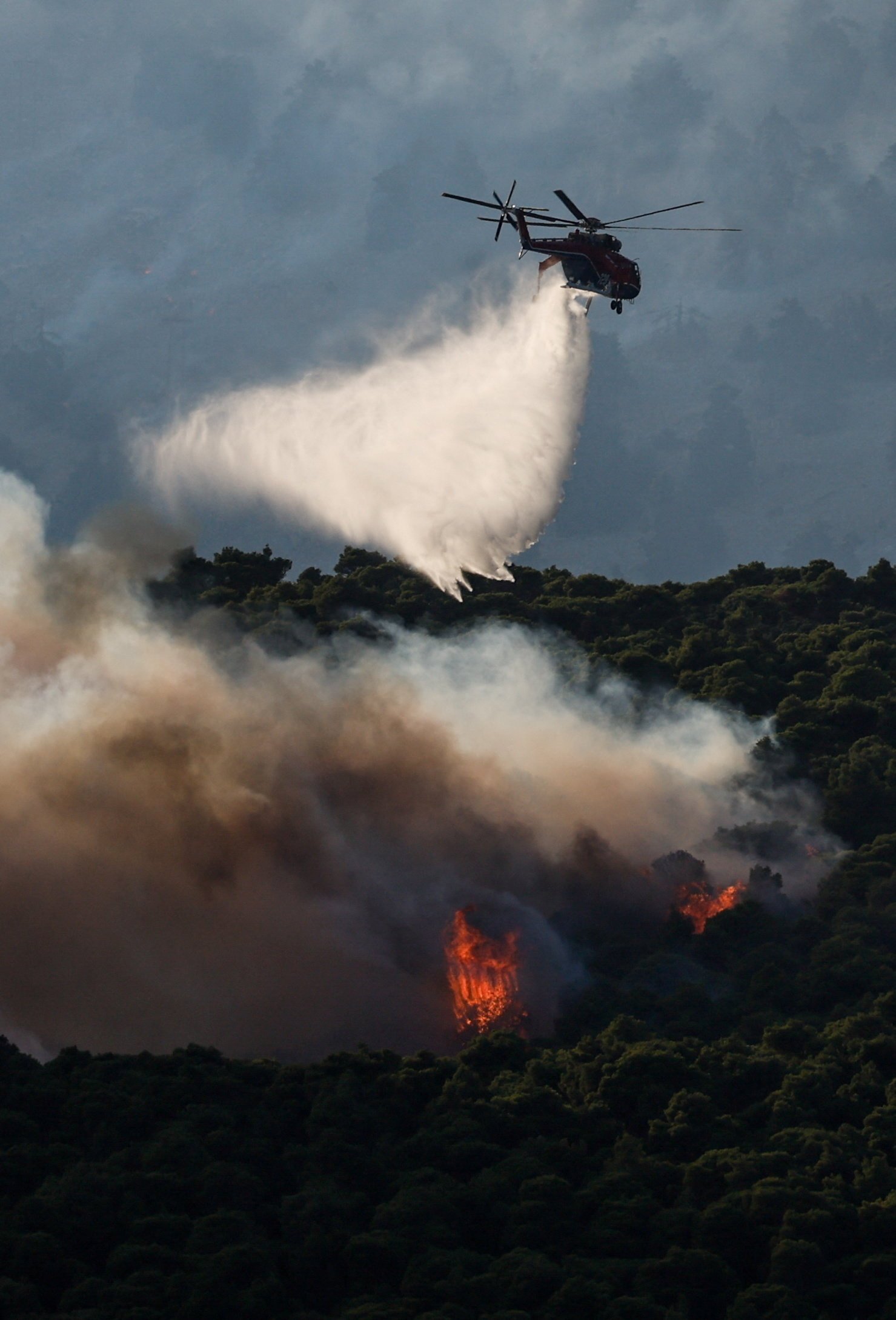
The Porto Germeno fire originated near Agios Vasileios on Friday before wind gusts reaching up to 130 kilometres per hour fanned it across the terrain above the resort, splitting the blaze into three separate fronts. Authorities issued evacuation orders for Agia Paraskevi, Kryo Pigadi, and Agios Nektarios, communities strung along the hillsides above the Gulf of Corinth. Theodore Giannaros, a meteorologist at the National Observatory of Athens, estimated the fire had already burned between 15 and 19 square miles, or 39 to 50 square kilometres, of terrain by early Saturday.
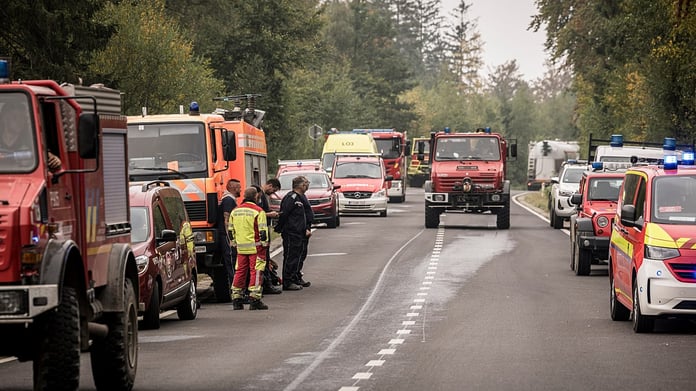
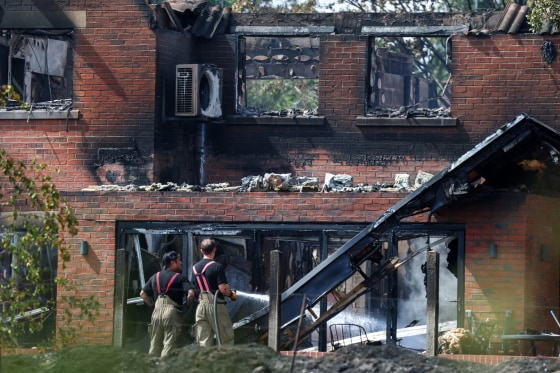
The scale of damage was still being assessed Saturday afternoon. What was clear was that the fire’s geography gave firefighters very little room to establish defensive lines before the wind shifted again. The Greek Civil Protection Service had deployed aircraft and ground crews to all three fronts simultaneously, a resource allocation made harder by the deaths of three firefighters in separate Greek wildfire incidents earlier in the week.
In France, Interior Minister Laurent Nunez credited the 1,500 firefighters deployed in the Var department with holding the defensive lines built overnight. The Var fire, the fourth major blaze in the department since July 19, had burned an additional 1,500 hectares before crews managed to contain its progression. Var Prefect Simon Barbre had described the summer as “an appalling tragedy” for a department that now carries that characterization in its international news coverage year after year.
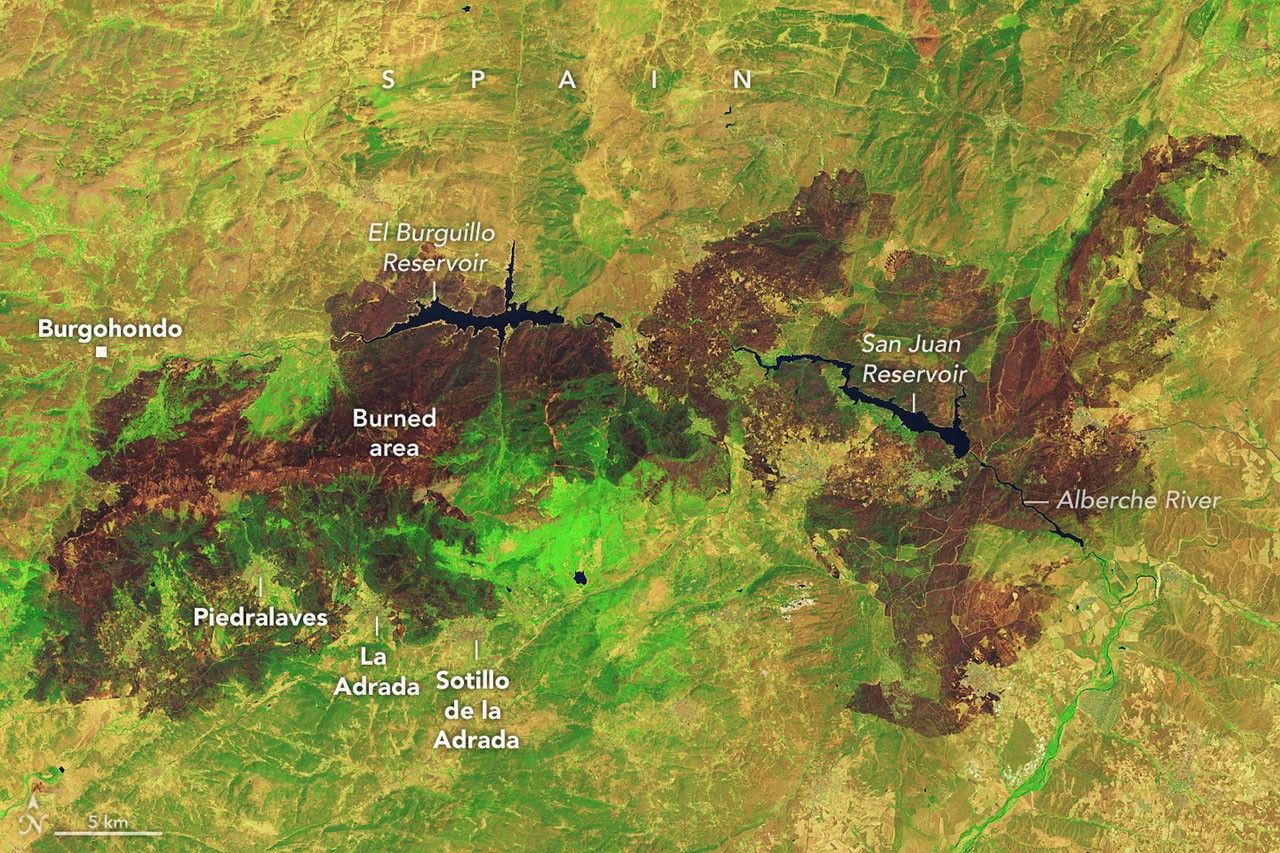
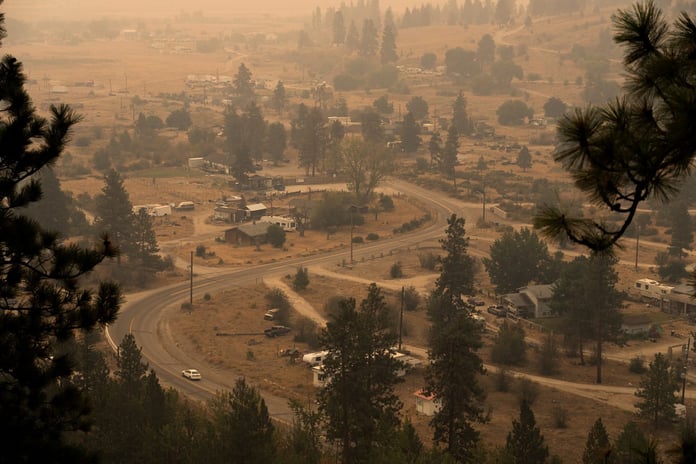
The broader French fire season produced numbers that will be cited in assessments for years. The Gironde department’s largest fire burned through approximately 420 square kilometres, roughly four times the land area of Paris, making it the most extensive wildfire France had recorded in seventy years, Al Jazeera reported. Around 2,500 people remained unable to return to their homes as of Saturday, with some communities waiting for roads to be cleared and others awaiting air-quality assessments before authorities would allow re-entry.
In Portugal, authorities declared their major wildfire under control on Saturday. Spain’s situation was more complicated: the country’s largest remaining fires were no longer making sustained advances, and most evacuation orders from earlier in the week had been lifted. A fire in the León province worsened overnight, however, leaving Spain’s situation unresolved as the weekend began.
The context for what is burning across southern Europe extends well beyond any single week or fire. Europe is the fastest-warming continent on the planet, according to the Copernicus Climate Change Service, warming at more than twice the global average rate since the 1980s. That acceleration has lengthened the fire window across the Mediterranean basin and dried the vegetation that feeds these blazes faster than firefighting agencies have been able to adapt their capacity and deployment strategies.
The broader atmospheric driver had already drawn attention earlier this week. When the World Meteorological Organization warned that El Niño had arrived with force and placed Europe among the regions facing above-normal temperatures through the dry season, it was adding institutional weight to what fire crews in the Var and on the hillsides above Porto Germeno had already learned from experience. The compounding pressure of a hotter baseline meeting an active El Niño is what climate scientists had warned would produce seasons of this character.
What Saturday demonstrated, across five countries simultaneously, was the degree to which these declarations of control are provisional. France and Spain’s fourth consecutive heatwave earlier this week had extended a fire season that began with mass evacuations in late June. Portugal had absorbed lessons from its catastrophic seasons in 2017 and 2022, and its relative position on Saturday suggested those investments in firebreak maintenance had paid off. Greece and France, facing the same structural shift in fire risk, are still measuring the cost of the current summer against what future summers might demand.
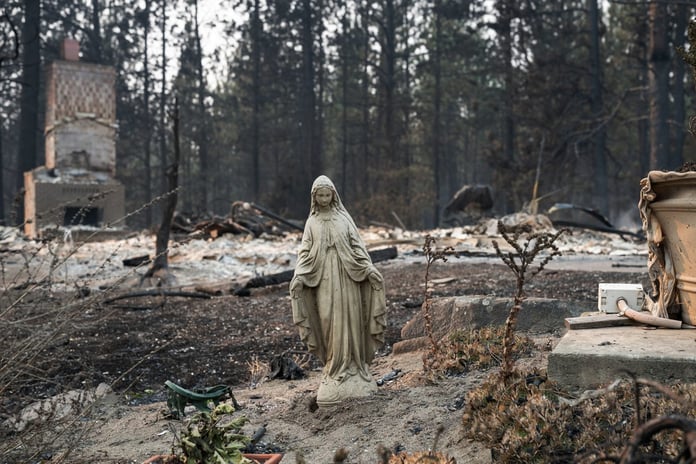
What remained unresolved on Saturday was the full extent of the Porto Germeno fire. Greek authorities had not confirmed the total burned area as of late afternoon, and the three-front configuration made containment difficult to assess in real time. For the families who left the resort by boat on Saturday morning, the uncertainty was not a figure in a report. It was the question of whether their homes would still be standing when they came back.
Related Posts