
GENEVA – More than a hundred people have died in Pakistan since the monsoon rains intensified in early July, and the World Meteorological Organization said Thursday that the climate event responsible for pushing those rains to record levels has now crossed a threshold that scientists had spent two years monitoring.
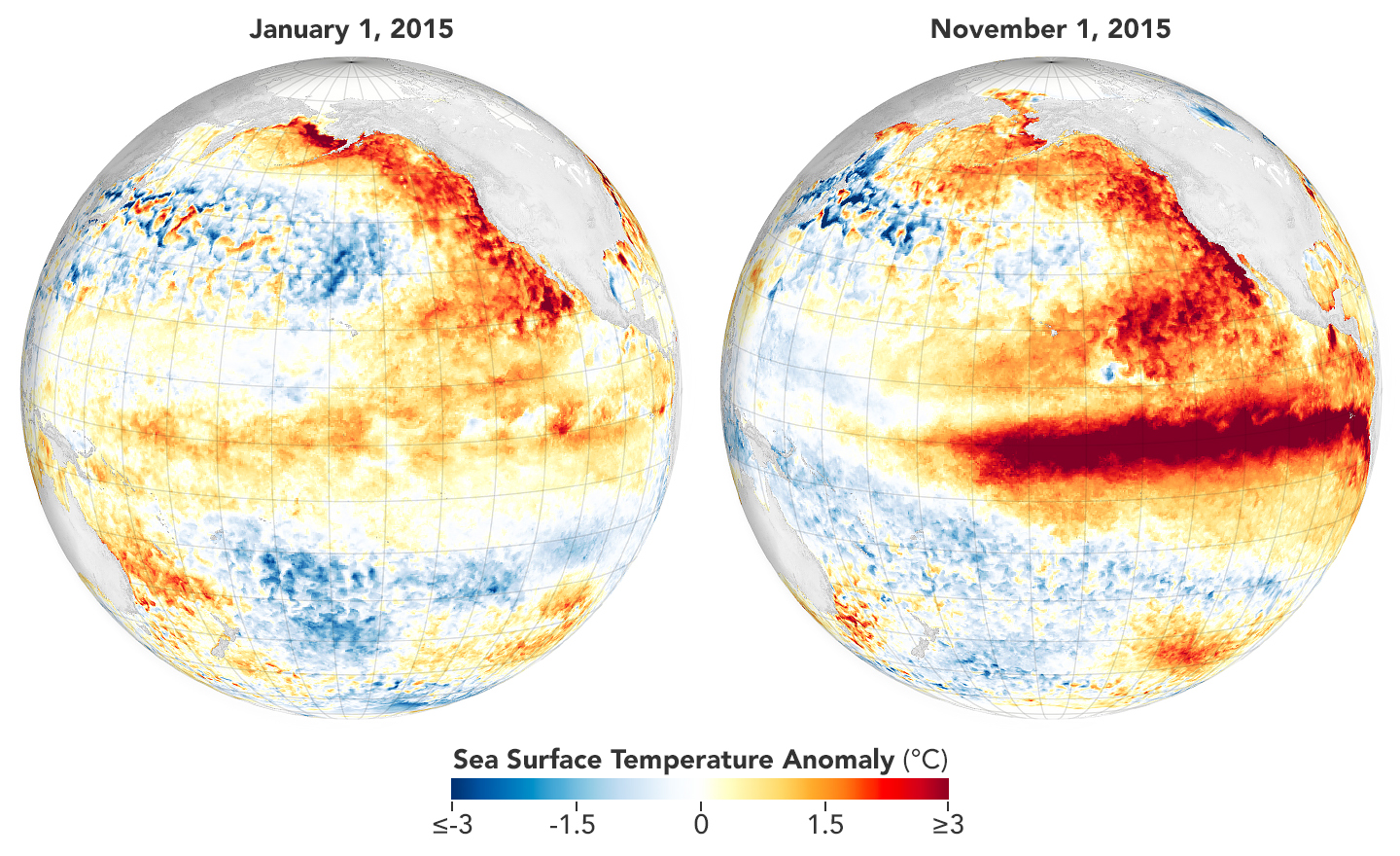
Central Pacific sea-surface temperatures have risen more than 2.9 degrees Celsius above normal, according to the WMO. The organization’s latest projections place the 2026 El Niño on a trajectory toward record intensity, potentially surpassing the strongest event in the modern observational record if the ocean temperatures continue on their current course through the second half of the year.
“El Niño is not just on our doorstep,” United Nations Secretary-General António Guterres said on Thursday. “It is inside the house and turning up the heat. This is only a warm-up act. El Niño is strengthening, adding fuel to a planet already on fire.” He called for an immediate halt to new coal, oil, and gas projects as the single most effective step available to reduce the amplification El Niño produces when it moves across a hotter planetary baseline.
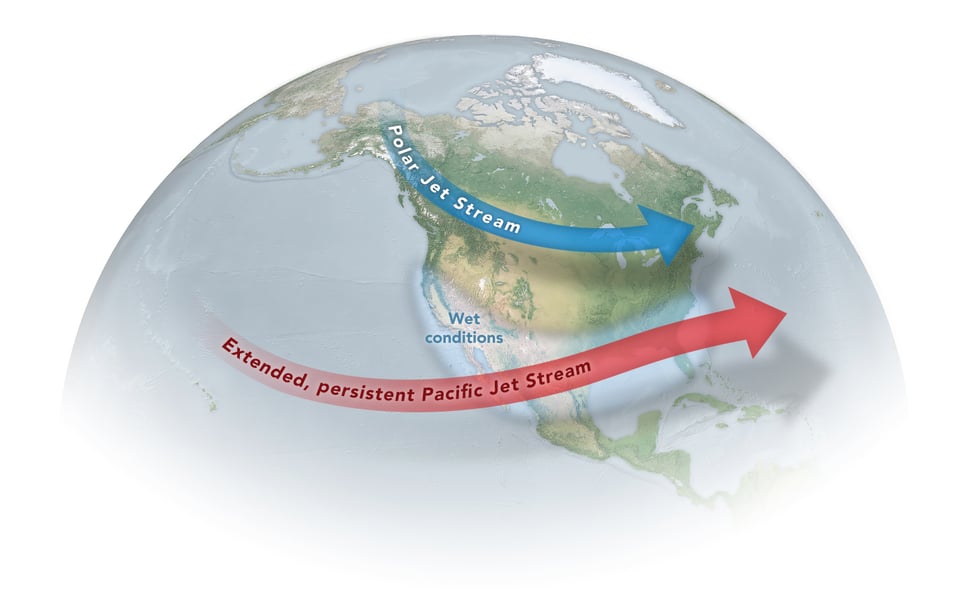
The WMO’s statement mapped out which parts of the world can expect the most severe temperature anomalies. Above-normal temperatures are now projected across nearly all land areas globally. The strongest heat signals are anticipated in Africa, southern Europe, the Indian subcontinent, East Asia, and South America, regions where food security, water availability, and housing infrastructure are already under pressure from years of compounding environmental stress.
El Niño is a natural oscillation of Pacific Ocean temperatures that recurs every two to seven years. Normally, trade winds push warm water toward the western Pacific and keep cooler water at the surface of the central and eastern Pacific. When those winds weaken, heat accumulates across the eastern and central ocean, shifting global weather patterns as warmth redistributes itself. The mechanism is well understood; what changes with each iteration is the starting temperature of the planet El Niño arrives on.
The historical comparison that matters most in 2026 is 1997 to 1998, the strongest El Niño of the twentieth century. That event drove global mean temperatures to a record at the time, bleached sixteen percent of the world’s coral reefs, and ignited Indonesia’s peatland fires, which covered Southeast Asia in haze for months. The planet in 1997 was approximately 0.7 degrees Celsius above pre-industrial levels; WMO data now places the current baseline at more than twice that. A 2.9-degree Pacific anomaly operating against a hotter global average could produce surface effects more severe than the 1997 peak at lower absolute ocean temperatures.
Wildfires are already providing the most visible early signal. Fires have broken out across parts of Africa and southern Europe this week, including in France, where blazes have threatened wine country in regions that include Bordeaux. The fire season in southern Europe no longer follows its historical calendar; climate scientists have documented a steady extension of conditions conducive to fire-spread across the Mediterranean basin, and the WMO’s Thursday projection added formal institutional weight to what fire agencies across the region have been managing as an operational reality.
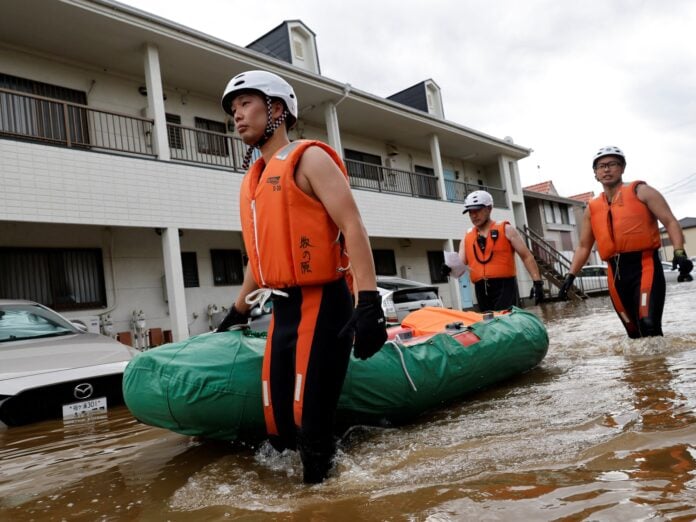
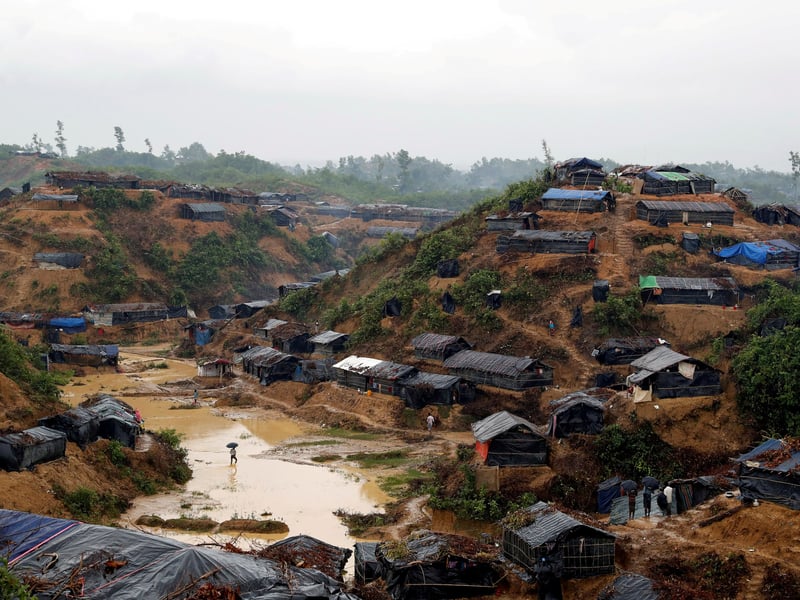
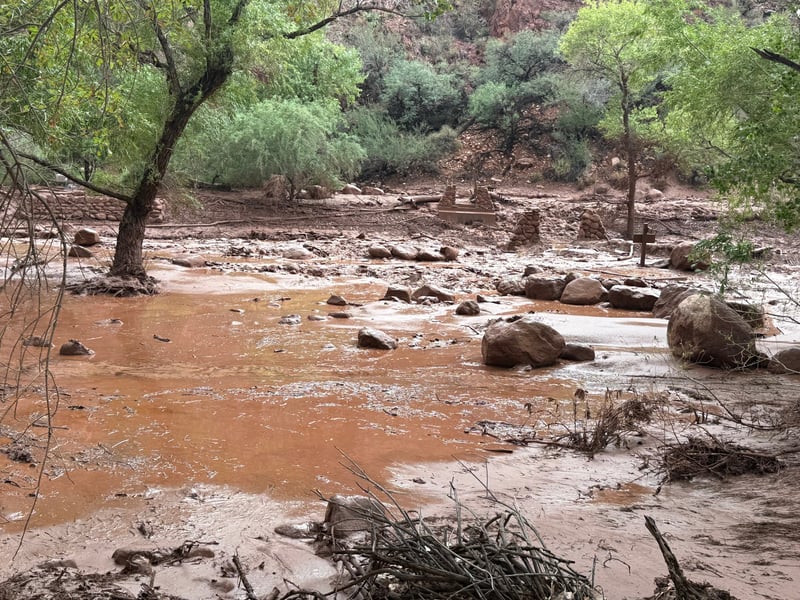
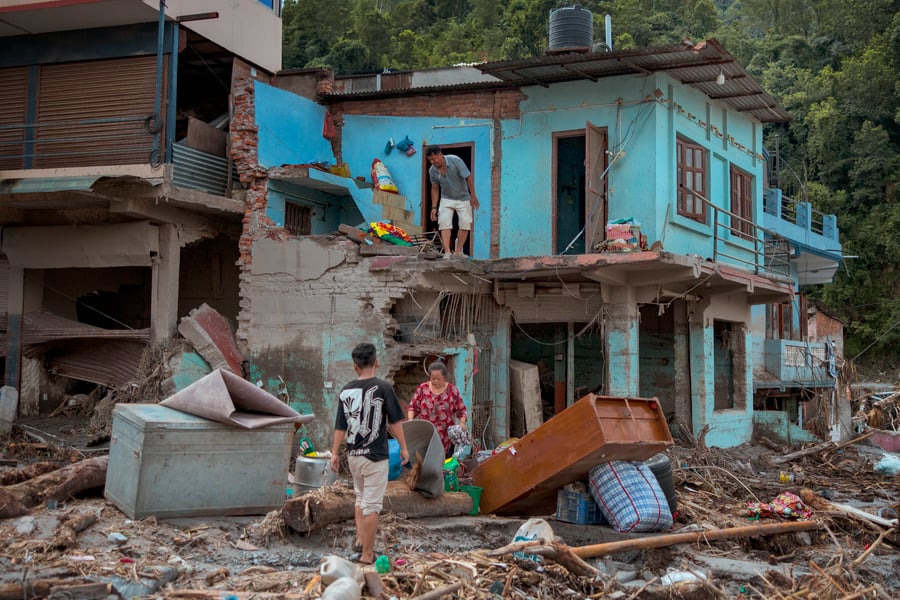
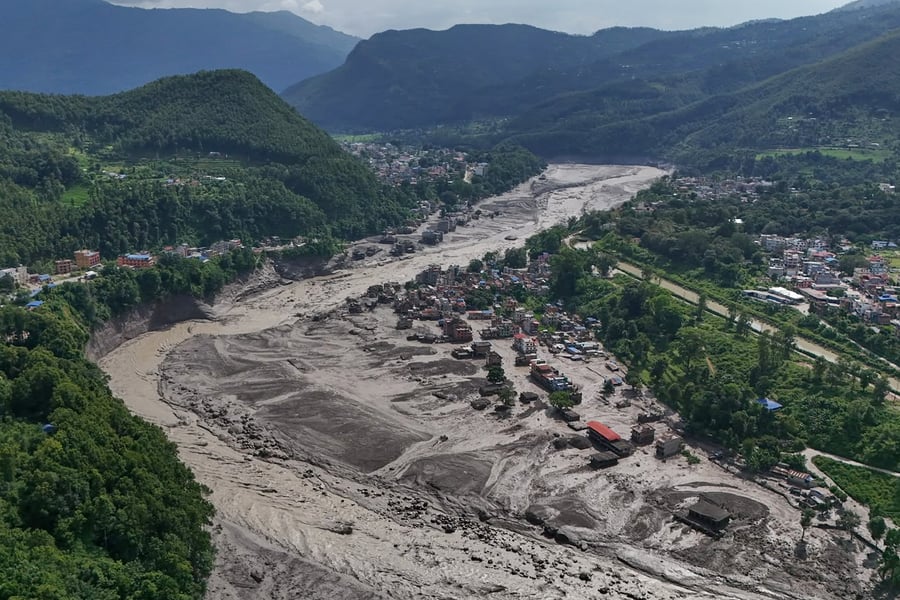
Pakistan’s monsoon toll is the most pressing human consequence of the event already underway. More than 100 deaths have been recorded since July began, with flooding affecting provinces across the country’s north and south. Bangladesh faces a compounded risk: communities in Cox’s Bazar, where El Niño’s early toll included deaths among Rohingya refugees, remain exposed to a second wave projected to intensify before October. Somalia, Kenya, and Uganda face severe flooding risk in the October-to-December peak El Niño season, when the WMO projects conditions comparable to 1997 across the Greater Horn of Africa.
WMO Secretary-General Celeste Saulo offered the most direct acknowledgment of what the forecast does and does not guarantee. “Forecasts in themselves do not prevent hazards; people do,” Saulo said. “The decisions we make today will shape the impacts we experience tomorrow.” The WMO has shared regional projections with government emergency coordination agencies in the countries most exposed, she noted, but translating a warning into physical pre-positioning of supplies and personnel takes weeks, not days.
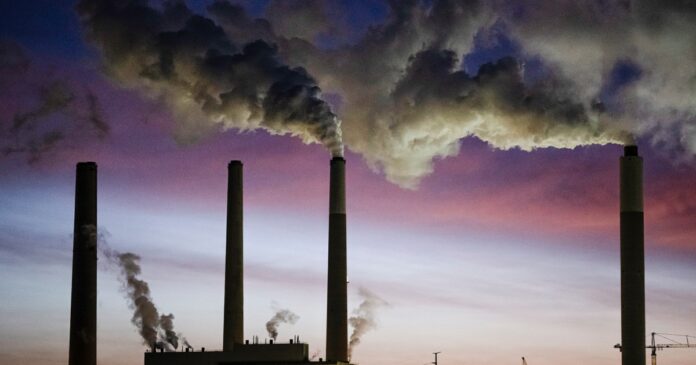
Guterres connected the current El Niño directly to political decisions made outside the climate system. He pointed specifically at continued fossil fuel expansion as the mechanism transforming a natural cycle into a compounding catastrophe. That argument arrives in a context that makes it harder than usual to act on: the Iran war has pushed Brent crude above $100 a barrel, providing oil-exporting states and their investors with the strongest financial incentive in years to extend, not reduce, production. The geopolitical forces accelerating warming and the geopolitical forces resisting the energy transition are, in 2026, running on the same fuel cycle.
Southern Europe’s exposure deserves particular attention. When NOAA formally declared El Niño in June, forecasters placed the odds of a very strong event at 63 percent. That probability has since risen significantly, based on the sea-surface temperature data the WMO published on Thursday. For the Mediterranean basin, the WMO’s projections translate into above-normal temperatures and below-normal rainfall through the dry season, precisely the combination that has extended the fire season in France, Spain, Italy, and Greece across the past decade.
What the WMO projection cannot resolve is how severe the peak intensity will be. Scientists expect the strongest anomaly between October and December, consistent with how the 1997-1998 event developed. Whether the 2026 peak equals or exceeds that historical record depends on Pacific dynamics still forming. The WMO considers it possible; it has not said it is certain. What is certain is that the populations in Somalia, Pakistan, and Cox’s Bazar cannot wait for that question to be answered before preparation begins. Al Jazeera reported that both Guterres and Saulo framed Thursday’s warning as a call to action in the window that remains open.