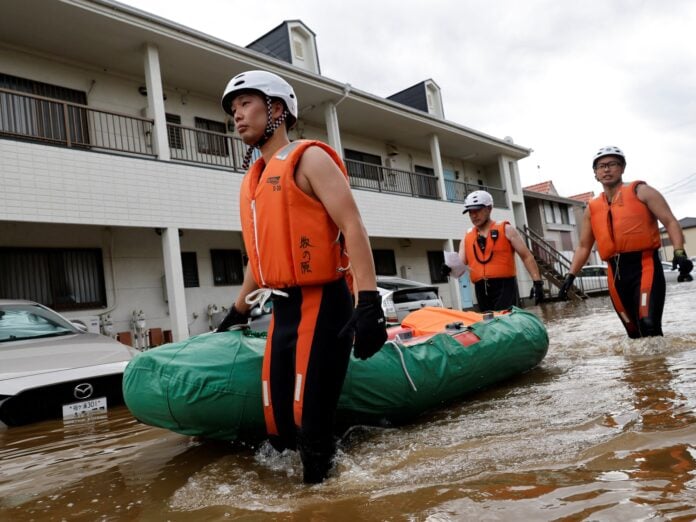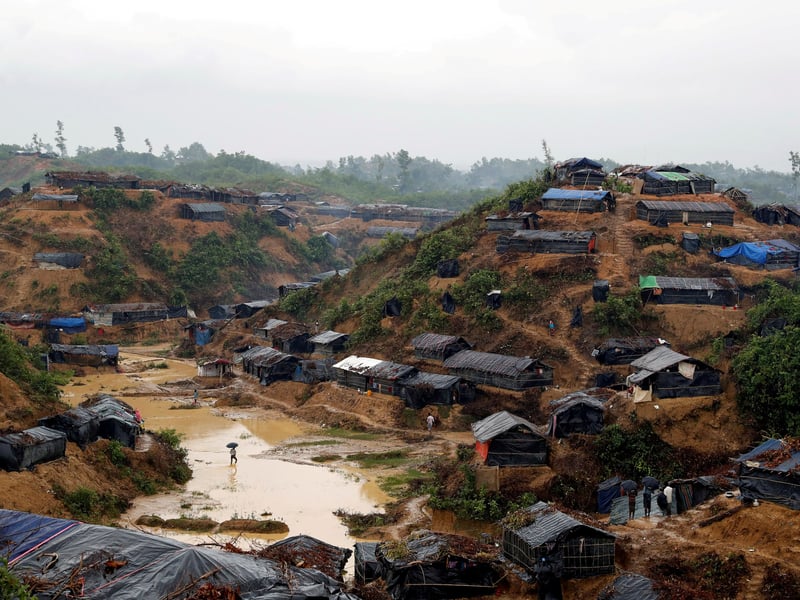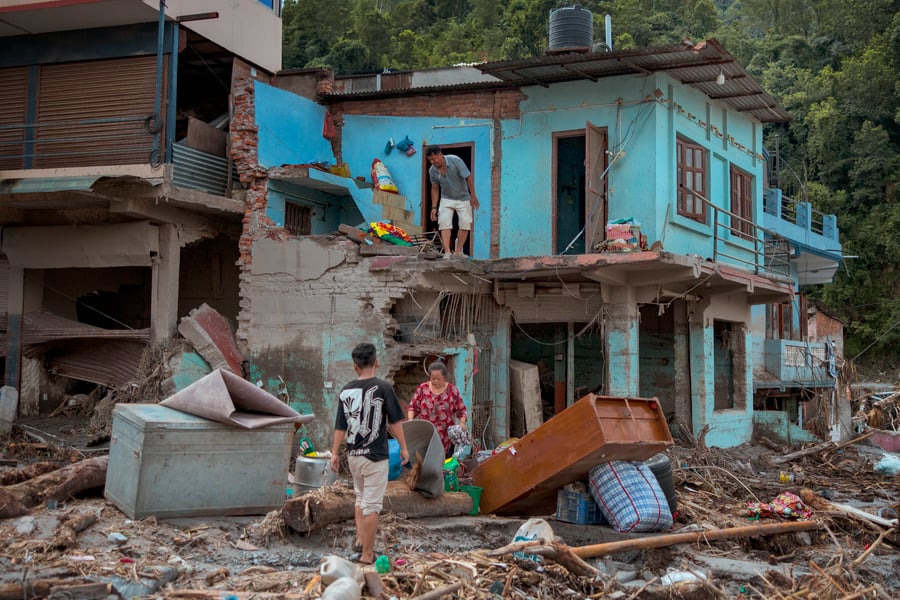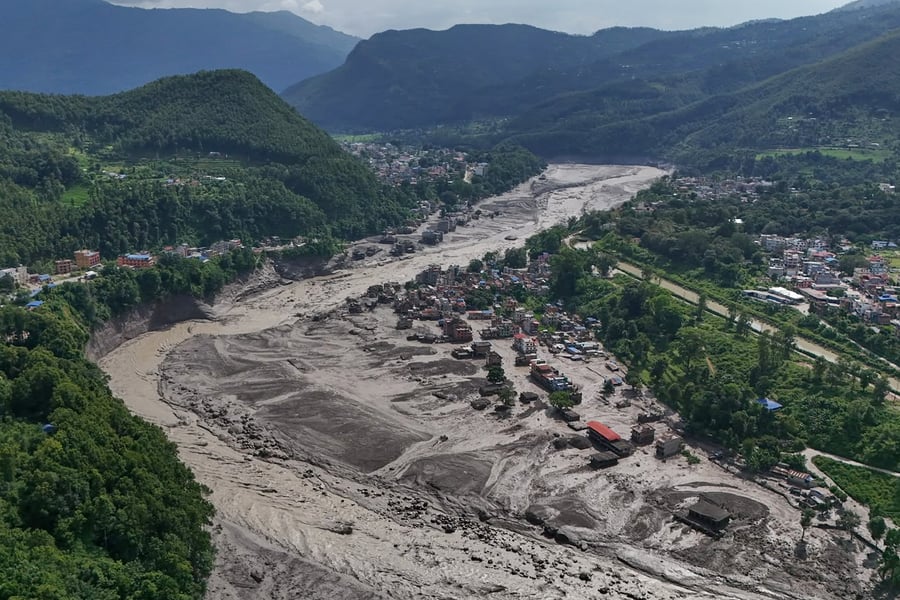

NAIROBI – At least 15 Rohingya refugees have been killed and more than 10,000 people displaced from the Cox’s Bazar camps in southern Bangladesh since the start of July, as landslides and flooding consumed sections of one of the world’s most densely settled informal settlements. The deaths are the first human toll of a rapidly intensifying El Niño that humanitarian organisations warn could bring catastrophic flooding and famine across East Africa and South Asia in the months ahead.
The International Rescue Committee said on Monday, as Al Jazeera reported, that Kenya, Uganda, Somalia, Bangladesh, Pakistan and Afghanistan are among the countries most exposed, many of them already buckling under the weight of active emergencies with aid budgets stretched or cut. “We’re watching several emergencies converge at once, and the places least equipped to absorb another shock are the ones in the crosshairs,” said Bob Kitchen, the IRC’s senior official for emergencies.
The scale of what is converging became clearer on July 9, when the US Climate Prediction Center placed the probability at 81 percent that the current El Niño will rank among the most powerful events since 1950, likely peaking between October and December. The UN’s World Meteorological Organization said El Niño conditions had already developed and were forecast to accelerate rapidly between July and September. Climate scientist Daniel Swain called the strengthening ocean temperature signature “an enormous story of huge consequence for the world.”
El Niño is a natural shift in Pacific Ocean temperatures that recurs every two to seven years, as the trade winds that normally push warm surface water westward weaken and heat spreads east. The effects ripple worldwide, bringing heavier rain to some regions while dramatically reducing it in others. For East Africa, the pattern typically means drier midyear conditions followed by a far wetter October-to-December season, a risk forecast to be sharpened this year by a simultaneous warming pattern in the Indian Ocean.
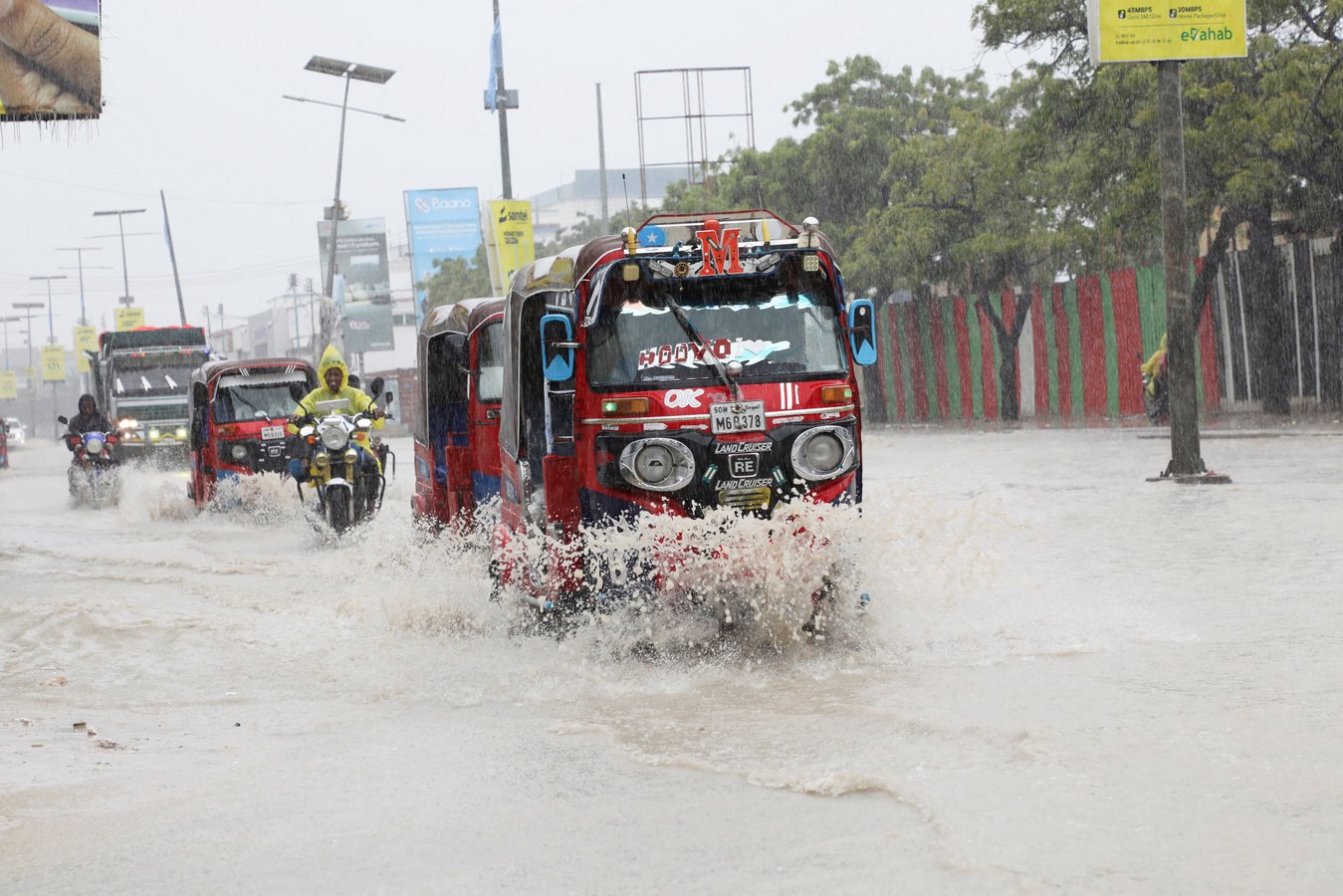
Somalia provides the starkest early warning. The US-funded early warning body FEWS NET has assessed a credible risk of famine in southern regions if flooding later this year matches the scale seen in 1997 or 2023, when the same El Niño-Indian Ocean combination submerged farmland and displaced hundreds of thousands of people. Heavy rains have already repeatedly flooded parts of Mogadishu this year. An estimated 4.8 million Somalis are in urgent need of aid, a figure FEWS NET warns is set to climb as the wet season approaches.
Kenya has activated its national disaster plan ahead of the shift. The country’s meteorological service has assessed an 80 to 82 percent probability that El Niño will persist through the end of the year, and emergency coordinators are pre-positioning resources in areas most exposed to October flood risk. The preparations come as the El Niño declaration confirmed in June by NOAA placed the odds of a super event at 63 percent; forecasters now put that probability far higher, with equatorial Pacific temperatures already at record levels for this point in the year.
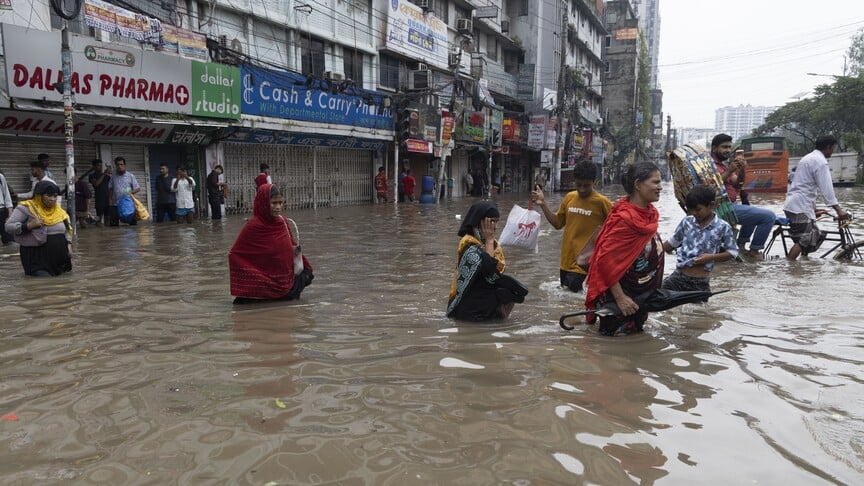
In Bangladesh, the Cox’s Bazar deaths mark a grim opening chapter. The camps, home to more than 700,000 Rohingya refugees who fled a military crackdown in Myanmar, sit on hillsides that are acutely vulnerable to landslides when heavy rains arrive before the monsoon has fully passed. Aid organisations have for years flagged the camps’ structural vulnerability to exactly this kind of compound flooding and landslide event. What has changed is the scale of what El Niño’s intensification suggests may follow in October and November.
Pakistan faces what forecasters describe as a split risk. Below-average rainfall is expected across much of the country, but its northern mountain ranges remain vulnerable to sudden glacier-melt floods, an outcome that has killed hundreds and destroyed tens of thousands of homes in previous El Niño years. Afghanistan, already experiencing one of the most acute humanitarian emergencies in the world, faces prolonged drought across its central and southern provinces.
The food security implications are severe. The World Bank has warned that if El Niño fully develops, rice yields could fall by between 20 and 50 percent across the hardest-hit parts of South Asia and East Africa, threatening food security for hundreds of millions of people for whom rice is the primary staple. Fertilizer costs have already climbed sharply this year, compounded by the ongoing US military strikes on Iran and Tehran’s retaliatory attacks around the Strait of Hormuz, which has disrupted fertilizer supply chains running through the waterway.
The historical reference point for the current threat is 1997-1998, the strongest El Niño of the twentieth century. That event drove global mean temperatures into a record high, ignited the Indonesian peatland fires that blanketed Southeast Asia in haze for months, and killed an estimated 16 percent of the world’s coral reefs through bleaching. The planet in 1997 was approximately 0.7 degrees Celsius warmer than pre-industrial levels; it is now nearly twice that, a baseline that could make the 2026 peak markedly more destructive in each of those dimensions.
Aid organisations including the International Rescue Committee are urging donors to fund preemptive measures immediately rather than wait for disasters to fully develop. The communities most exposed, among them Rohingya refugees in Cox’s Bazar, subsistence farmers in the Somali riverine zone, and smallholders in Kenya’s flood-prone lowlands, have contributed almost nothing to the atmospheric carbon concentration that is amplifying the event now converging on them. How donors respond to the next four months will determine how much of the damage can be limited before it arrives, and how much of it simply cannot.