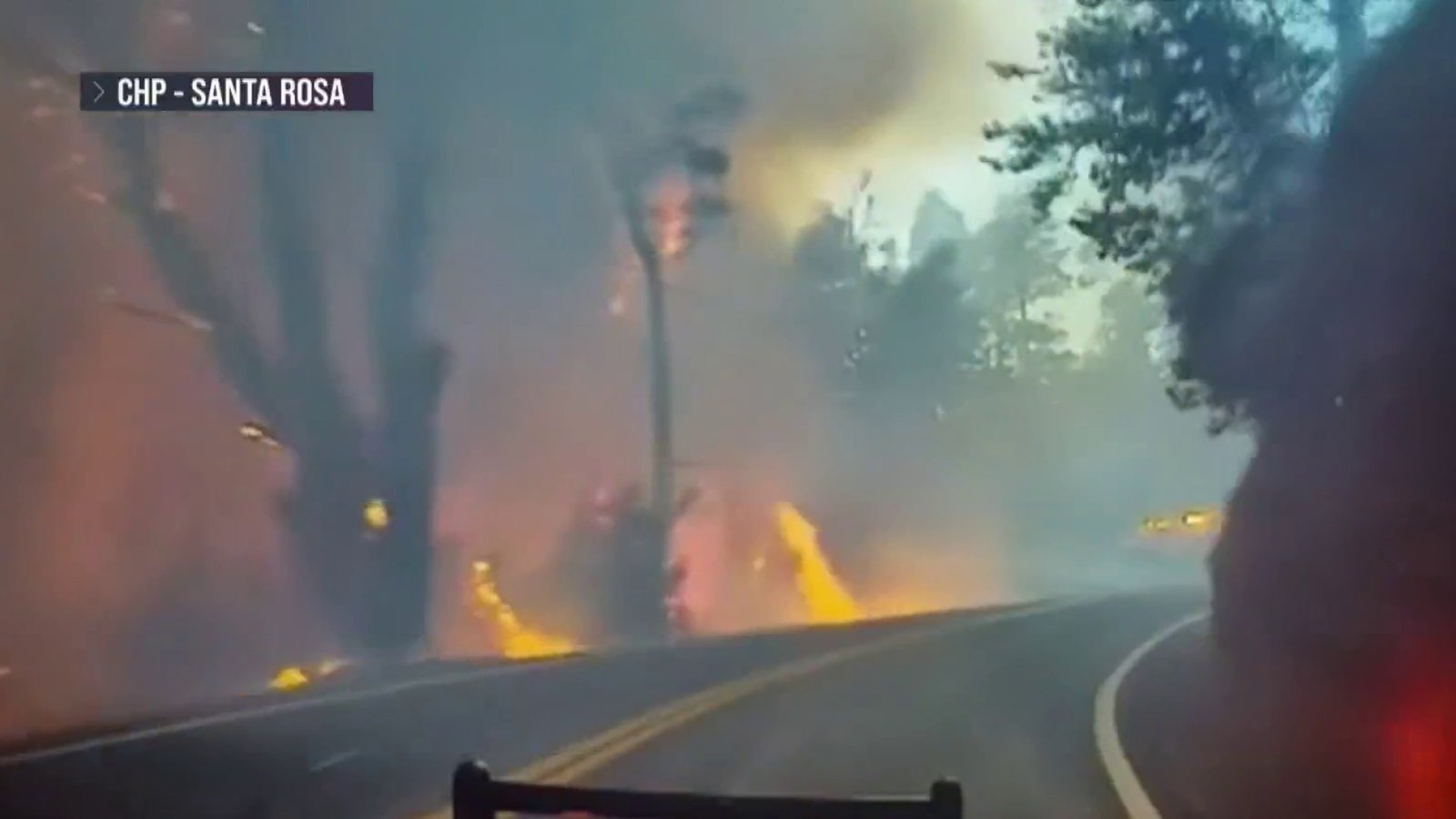

SPOKANE, Washington – Families in Airway Heights woke Saturday to an order they had perhaps expected all week, given the temperatures, the wind, and the color of the eastern Washington sky: leave now. The Old Trails Fire had moved fast enough overnight that Spokane County authorities elevated the evacuation status for communities northwest of the city to Level 3, the most urgent designation, meaning there is no time to wait.
By midday Saturday, Washington Governor Bob Ferguson had declared a statewide emergency, banning most outdoor and agricultural burning through September 30. The announcement confirmed what fire crews already knew: twelve large fires were burning across Washington, consuming more than 312 square miles of land, and the conditions driving them showed no sign of easing.
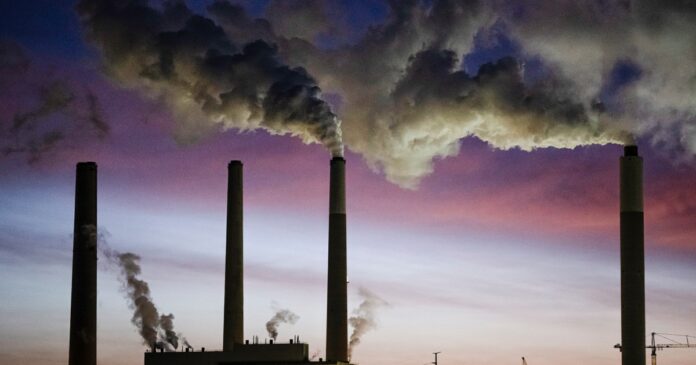
The heat dome has been building for days, spreading from the Pacific Northwest south through the desert Southwest in a pattern forecasters described as unusual not for its existence but for its intensity at this time of year. Las Vegas registered 115 degrees Fahrenheit on Saturday, within reach of its August record of 116. Phoenix was expected to touch 116 degrees. El Centro, California, was forecast to reach 118 degrees, which would set a new record. Great Falls, Montana, was projected at 104 degrees for the date.
The disaster unfolding near Spokane sits at the intersection of all of those forces. Eastern Washington occupies a geographically vulnerable position when heat domes form over the intermountain West: it is far enough inland to be cut off from marine air, but close enough to the Cascade rain shadow that the landscape dries out fast. When temperatures climb this far, grasses and brush left by a winter that delivered below-average snowpack in the Cascades ignite easily and move fast.
The Old Trails Fire, burning in the Airway Heights area northwest of Spokane, generated the Level 3 evacuations – the "Go Now" designation requiring immediate departure. For residents who had been watching the fire from a distance through the week, the order arrived as something between confirmation and surprise. People packing their cars spoke in the shorthand common to those who have rehearsed this kind of emergency: livestock first, then documents, then photographs, then whatever fits in whatever time remains.
How many structures have burned, how many remain threatened, and when Level 3 orders will be lifted were all unanswered Saturday evening.
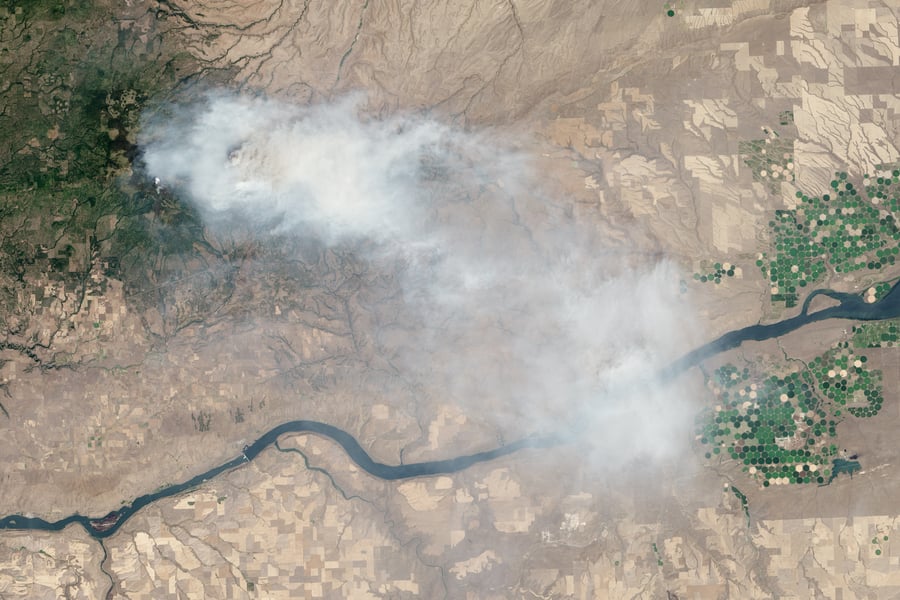
The twelve fires burning 312 square miles reflect a season that arrived earlier and with more intensity than most projections suggested entering summer. According to NBC News, which tracked conditions across the region, the heat wave was intensifying conditions already made volatile by a dry spring.
Morgan Stessman, a meteorologist with the National Weather Service, captured the essential problem in a single sentence. "There's just no relief overnight," Stessman told NBC News. For wildfires, overnight temperature dips are when crews traditionally make the most progress. Cooler air raises relative humidity, slows combustion, and lets hand-lines hold. When that window closes, fires that slow in the afternoon begin running again before dawn.
Jeff Kitsmiller, a meteorologist tracking the broader heat wave, offered a calibration for how this event compares historically. "That was a rare heat wave," he said of an earlier-season event. "This one fits for this time of year." The distinction carries its own unease. A heat wave that "fits" August in the inland West is still extreme by recent standards. Temperatures approaching 120 degrees in communities built for climates that saw those figures rarely now push toward a grim regularity.
The Eastern Washington fires came while federal fire resources were already stretched across a season that had produced large complexes from California to Oregon. In eastern Oregon, the Rowe Creek Complex had grown to 490 square miles with 57 percent containment, a number suggesting a long fight still ahead even in a fire burning for days. Federal interagency fire personnel already distributed across those complexes were being asked to track new ignitions in Washington simultaneously.
Ferguson's emergency declaration gives Washington state access to National Guard resources, expedited procurement authority, and the ability to request federal disaster assistance. The burning ban through September 30 addresses one of the most common ignition sources: outdoor recreational fires, agricultural burns, and debris burning cannot be left to individual judgment when the landscape is this dry. Earlier this summer, Canadian wildfire smoke was already drawing sanctions threats in Congress as it choked more than 100 million Americans.
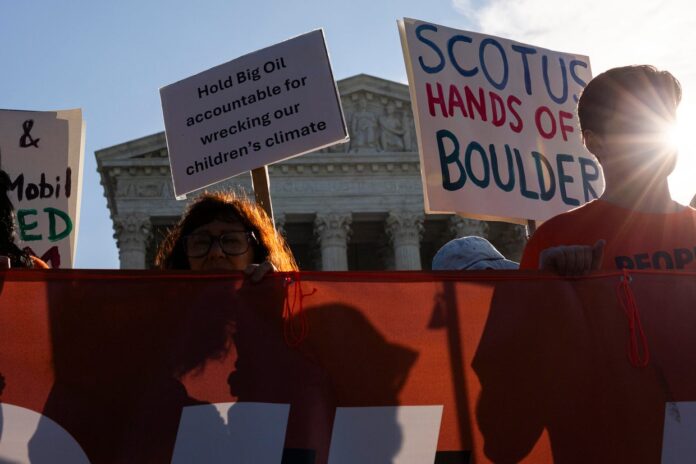
The science connecting heat waves like this to longer-term warming patterns has become its own contested terrain. Researchers tracking climate attribution – the methodology linking extreme heat events to human-caused warming – have documented intensified opposition from fossil fuel industry groups and allied political actors over the past three years. That contest over causation is separate from the immediate question confronting fire managers and Airway Heights residents: what happens next.
As Saturday evening arrived, that answer remained open. Fire behavior under a heat dome of this intensity is difficult to forecast even a few hours ahead. The answer depends on wind, humidity, and whether the Old Trails Fire establishes into a pattern crews can work around or continues the overnight run that triggered the morning's evacuation orders. Nobody was making promises about when residents could return. At the moment, leaving was the only thing authorities were guaranteeing.