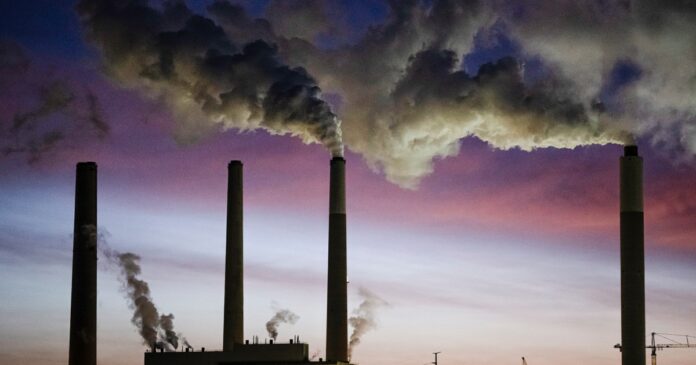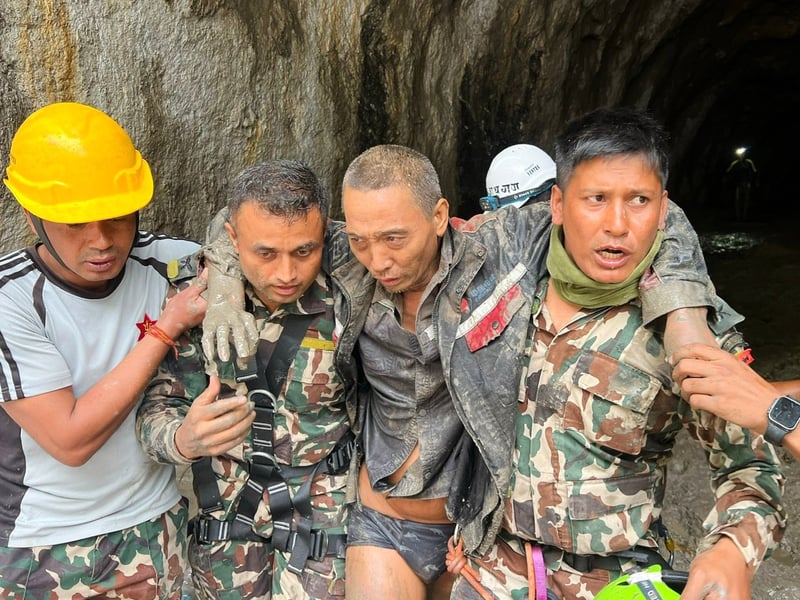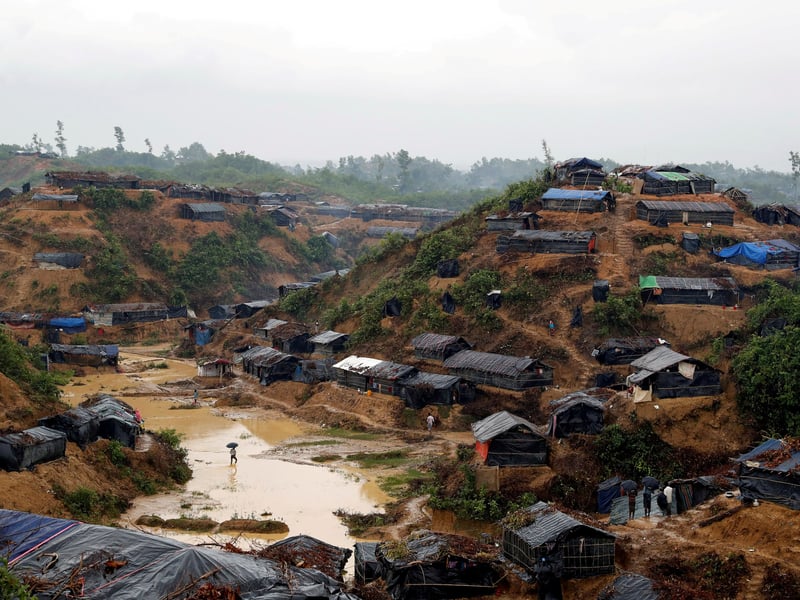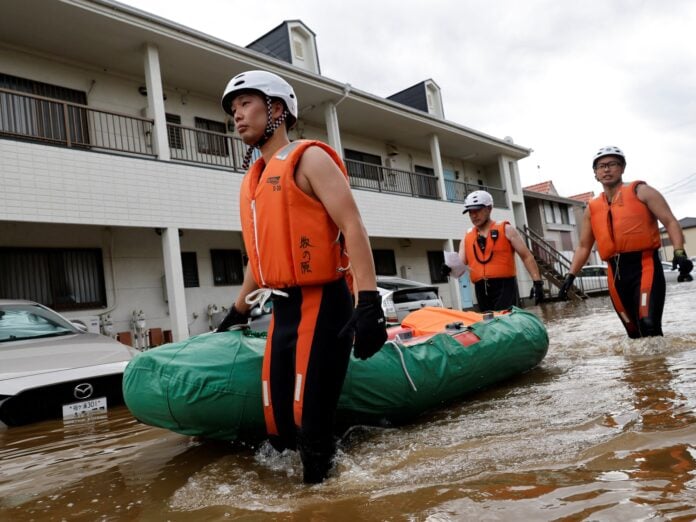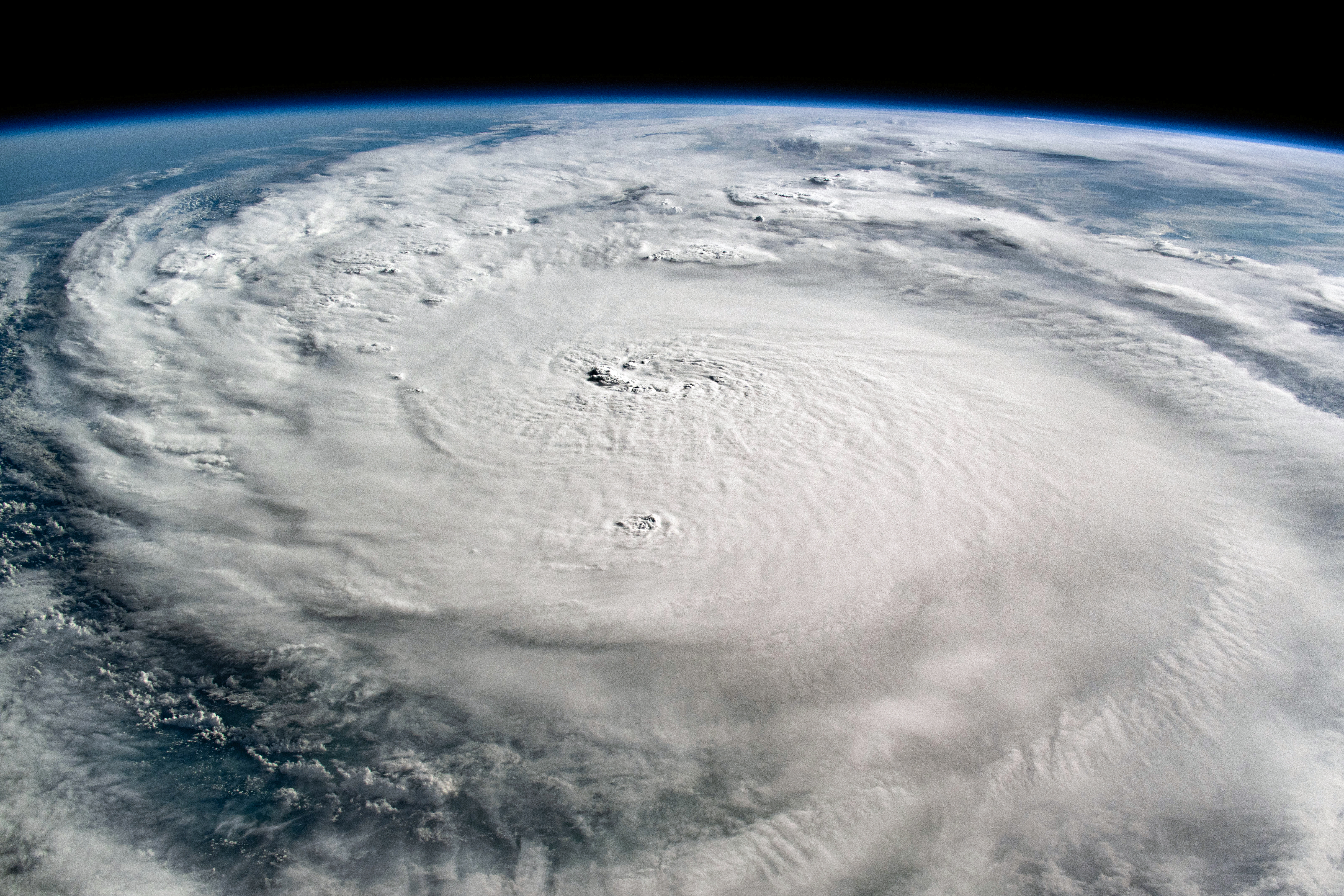

WASHINGTON — The branch of climate research that has been most useful in courtrooms over the last five years is the one telling a flooded Florida or a burned Altadena exactly how much hotter the ocean was, or how much drier the chaparral had become, because of a century of fossil fuel emissions. That branch is called attribution science, and according to a Lesley Clark report for E&E News published Thursday, the field is now the target of a coordinated, multi-front campaign waged by the fossil fuel industry, the second Trump administration, congressional Republicans and a bloc of Republican state attorneys general.
“Science is under a coordinated assault right now,” Carly Phillips, senior scientist at the Science Hub for Climate Litigation at the Union of Concerned Scientists, told the report. “We’re up against powerful actors.”

The field Phillips is defending is more than a decade old. It uses climate model ensembles, run with and without the actual carbon-dioxide concentrations of the present, to calculate how much more likely or how much more severe a given extreme event was made by fossil fuel emissions. World Weather Attribution, the consortium that publishes most of the public-facing results, has produced rapid analyses for nearly every major heatwave, hurricane and flood of the last decade, including the Pakistan floods of 2022, the European heat dome of 2023 and the 2026 European heatwaves of May.
The political assault on the field is not a single hearing or a single lawsuit. According to the E&E reporting, it has at least four prongs. The Trump administration has cut climate research funding, dismantled the U.S. Global Change Research Program and pulled scientists off the next National Climate Assessment. Congressional Republicans are pushing immunity legislation that would limit fossil fuel companies’ exposure to climate damages claims. Republican attorneys general are moving to strike climate science chapters out of the federal judicial manual used by federal judges to evaluate expert testimony. And opposition research groups have been filing wide-ranging public records requests against individual scientists at public universities, demanding emails, draft papers and grant correspondence.
Andrew Dessler, a climate scientist at Texas A&M University and director of the Texas Center for Climate Studies, drew the analogy that most of the field reaches for. “You don’t have to prove that cigarettes are safe,” he said. “You just have to introduce doubt.” The reference is to the playbook the tobacco industry used for forty years, documented at the time by federal prosecutors and later by historians at the University of California, San Diego. Dessler’s point is procedural: in a courtroom, the burden falls on the plaintiff to prove causation, and any plausible-sounding alternative is enough to stall a verdict.
Michael Gerrard, who runs the Sabin Center for Climate Change Law at Columbia University, told the report that the scientific case has, at this point, mostly arrived. “The emerging science of climate attribution will be very helpful in these cases,” he said. “But it’s not enough.” The reason is procedural again. Climate damages litigation is being litigated in jurisdictions where the law of public nuisance, product liability and statutory consumer protection was written before anyone had heard of carbon dioxide. Dina Lupin, associate law professor at the University of Southampton’s law school, put it more bluntly. “The challenge facing the field isn’t the science,” she said. “It’s the law.”

The stakes are not abstract. Approximately thirty U.S. cities, counties and states have filed climate-damages cases against fossil fuel companies since 2017, seeking compensation for sea-walls, flooded transit systems, evacuated wildfire zones and the public-health costs of extreme heat. Most of those cases rest on attribution evidence at the causation stage. International cases are running in parallel. A 2024 Inter-American Court of Human Rights advisory opinion recognised states’ obligations to protect citizens from climate harm, and ongoing litigation against fossil fuel majors in the European Court of Human Rights and in courts in the Philippines, Brazil and Pakistan turns on the same scientific foundation.
That foundation is what the Union of Concerned Scientists is now organising to defend in a way the field has not previously needed. The Science Hub for Climate Litigation, which Phillips runs, is building a network of pro bono experts willing to file declarations in support of plaintiffs and a clearinghouse of peer-reviewed attribution work indexed against the legal standards courts apply. Justin Mankin, a climate scientist at Dartmouth College who has been the target of state-level records requests, said the work has changed the texture of the job. “If you are in a truth-seeking endeavor,” he told E&E News, “this is a very challenging time.”
The same research that Republican attorneys general are trying to disqualify is what Kenya is now using to build its claim. As Eastern Herald reported on Friday, Nairobi became the first African country to draw technical support from the UN’s Santiago Network on Loss and Damage, a fund whose entire premise is the attribution chain that connects an emitter to a flood. The peer-reviewed paper in Science this week that found fifteen percent of human-driven warming comes from pollutants that climate treaties never put on the list only sharpens the question of who is responsible for what.
For the U.S. domestic conversation, the fight over attribution science is also a fight over the National Climate Assessment, the legally mandated report Congress requires every four years. The Trump administration has slowed the next edition, pulled federal authors and signalled it may reject the assessment’s findings. The same evidence base that the assessment summarises is the evidence base courts have leaned on in everything from Colorado River compact litigation to the Hoover Dam hydropower cases now coming online.
What attribution science answers is the question the political fight is trying to keep unanswered. Did this specific storm, this specific drought, this specific heatwave get worse because of fossil fuels burned in a specific decade by a specific industry? The science has, increasingly, an answer. The question now is whether the courts are allowed to hear it.