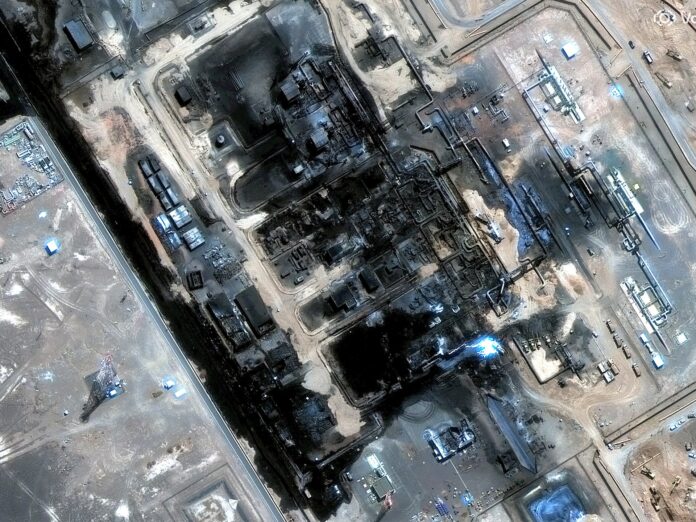

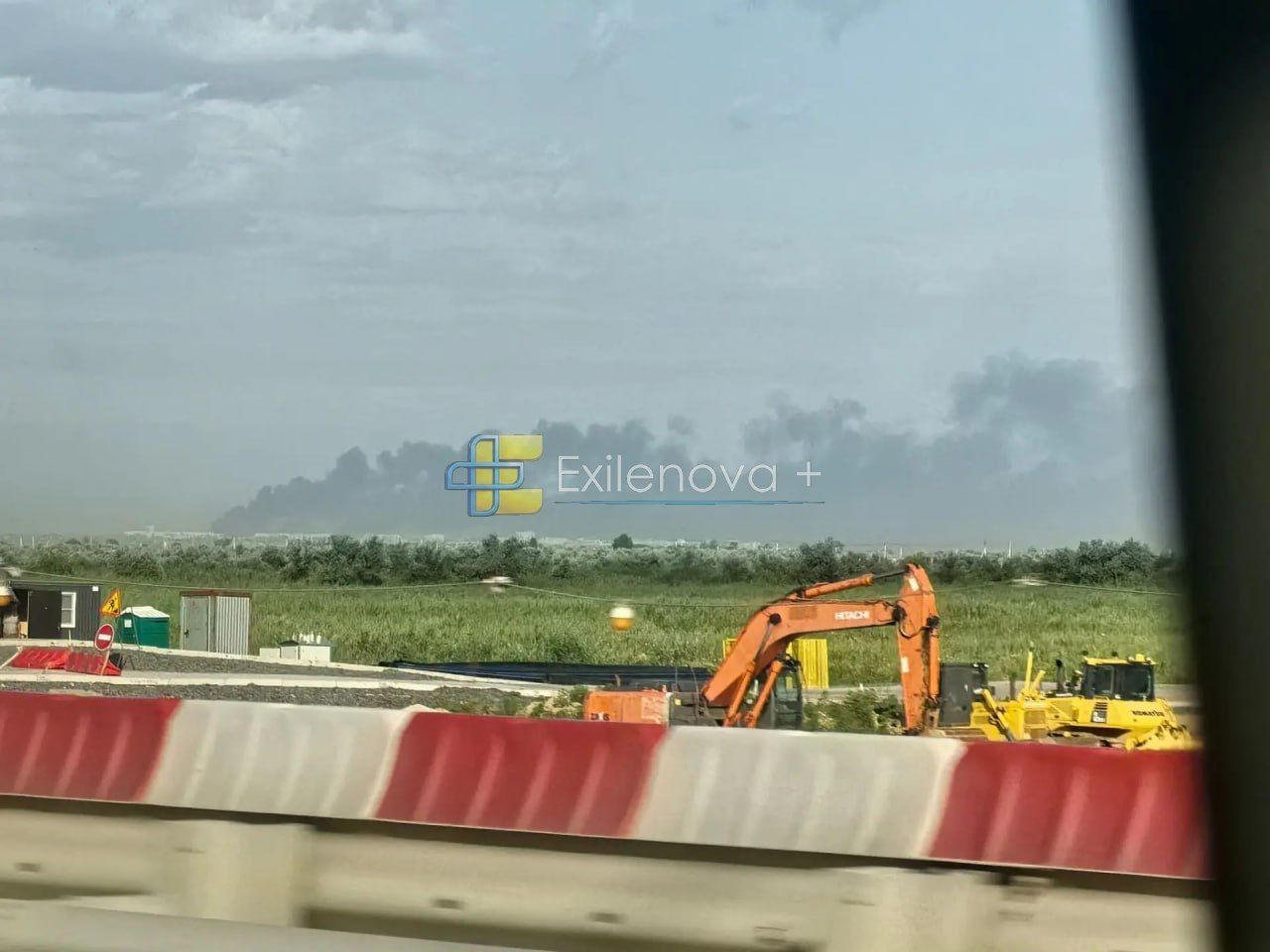
MOSCOW – Fires lit the pre-dawn sky above Krasnodar for much of Thursday morning as Ukrainian drones struck the Ilsky oil refinery for the seventeenth time since the Russian operation in Ukraine began, while a simultaneous assault on the port city of Taganrog forced residential evacuations and shattered windows across a waterfront district that had not been directly targeted before.
Russia’s Defence Ministry said 376 fixed-wing unmanned aerial vehicles were launched across Russian territory overnight, reaching Belgorod, Bryansk, Kaluga, Kursk, Leningrad, Novgorod, Pskov, Smolensk, Tver, and Moscow oblasts in addition to strikes that caused fires in Krasnodar Krai and Rostov Oblast. The scale of the assault confirmed what Russian officials had warned for months: the drone campaign against Russian energy infrastructure has matured from opportunistic strikes into a systematic pressure operation against the country’s southern fuel production base.
The Ilsky facility, located in Seversky district in Krasnodar Krai roughly 500 kilometres from Ukrainian-controlled territory, processes nearly 6.6 million tonnes of fuel annually, making it the largest oil refinery in southern Russia by throughput. Thursday’s attack was the seventeenth time it has been targeted; the previous strike came on June 2. No casualties were reported from the Ilsky hits, according to Russia’s Defence Ministry and emergency services, though debris from intercepted drones struck a private residence and a commercial property in Seversky village.
The overnight assault extended beyond Ilsky. Oil product storage facilities in Azov, Rostov Oblast, caught fire following UAV strikes, and the Taganrog seaport on the Azov coast sustained damage that required ongoing firefighting operations through Thursday morning. Taganrog’s municipal administration ordered evacuations from residential zones within the established emergency perimeter. Photographs shared by local residents showed roof fires on at least two administrative buildings; residents reported windows and doors shattered across several city blocks. The city, known historically as the birthplace of playwright Anton Chekhov, has seen escalating proximity to the conflict as the range of Ukrainian drones has extended into the Azov coastal belt.
Moscow’s most direct economic response came not from this strike alone but from the accumulation of damage across multiple facilities. Russia imposed a diesel export ban through the remainder of July earlier this week following a July 8 strike on a refinery in Saratov Oblast that halted processing there. The two disruptions arriving in close succession have produced a period in which Russian fuel production and export capacity are simultaneously constrained – pressure that compounds the global oil supply disruption driven by the Middle East conflict, which had already tightened international crude markets before Thursday’s Krasnodar strikes.
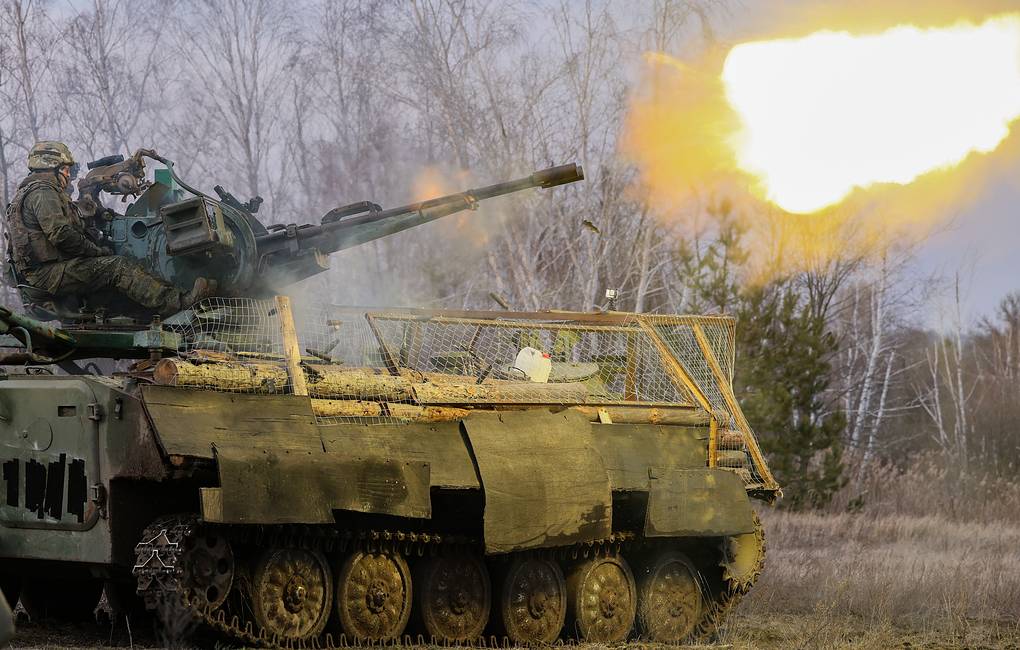
Ukraine has publicly defended attacking Russian energy infrastructure, describing fuel production sites as legitimate military targets that provide revenue and operational logistics for Russian forces. Russian officials consistently counter that refinery output supplies the southern civilian market and that the campaign constitutes strikes on civilian industrial infrastructure. The distinction matters in international law, though neither side has sought formal adjudication of it.
The International Energy Agency cut its Russian oil output forecasts specifically in response to cumulative damage from these strikes. Refinery repair timelines at facilities like Ilsky have been extended by Russia’s limited access to Western replacement equipment since 2022, meaning each successive strike compounds prior damage rather than simply resetting a clock. Seventeen documented strikes on the same facility across more than four years represent an accumulation that neither official Russian figures nor independent assessments have converted into a precise throughput reduction. What is known is that Moscow acknowledged parts of the Ilsky facility were operating below rated capacity as of last month.
The Taganrog port element of Thursday’s campaign adds a dimension beyond the oil refinery targeting that has characterised previous strikes in this sequence. The port handles commercial cargo and military logistics along the Azov Sea corridor, which has been a contested transit route since Ukraine began maritime drone operations targeting Russian shipping. Its inclusion in a single night’s assault alongside Ilsky and the Rostov depots suggests a broadened target set rather than a repeat of an established pattern.
The 376-vehicle launch scale also reflects Ukraine’s expanded domestic drone manufacturing capacity. Attack packages regularly exceeding 200 vehicles have become more frequent in 2026, a threshold Russia’s interception capabilities have struggled to fully contain across all target areas simultaneously. The overnight sortie rate has risen markedly over the past eight months, according to defence analysts tracking Ukrainian production figures, with long-range strike drones now being produced at a pace that would have been implausible in the conflict’s first year.
What neither Moscow nor Kyiv has answered publicly is how many more strikes the Ilsky refinery can absorb before throughput drops to a point requiring sustained domestic rationing or significant reallocation of fuel supply. The diesel export ban through July’s end is a short-term instrument; whether it extends into August will be among the clearest indicators of how seriously the Kremlin views cumulative industrial damage from a campaign that has reached this particular facility seventeen times. The broader diplomatic engagement continuing amid active hostilities in the Middle East has not reduced pressure on global energy markets, leaving Russian export capacity constrained at a moment when international buyers have few reliable alternative sources for particular grades of distillate fuel.