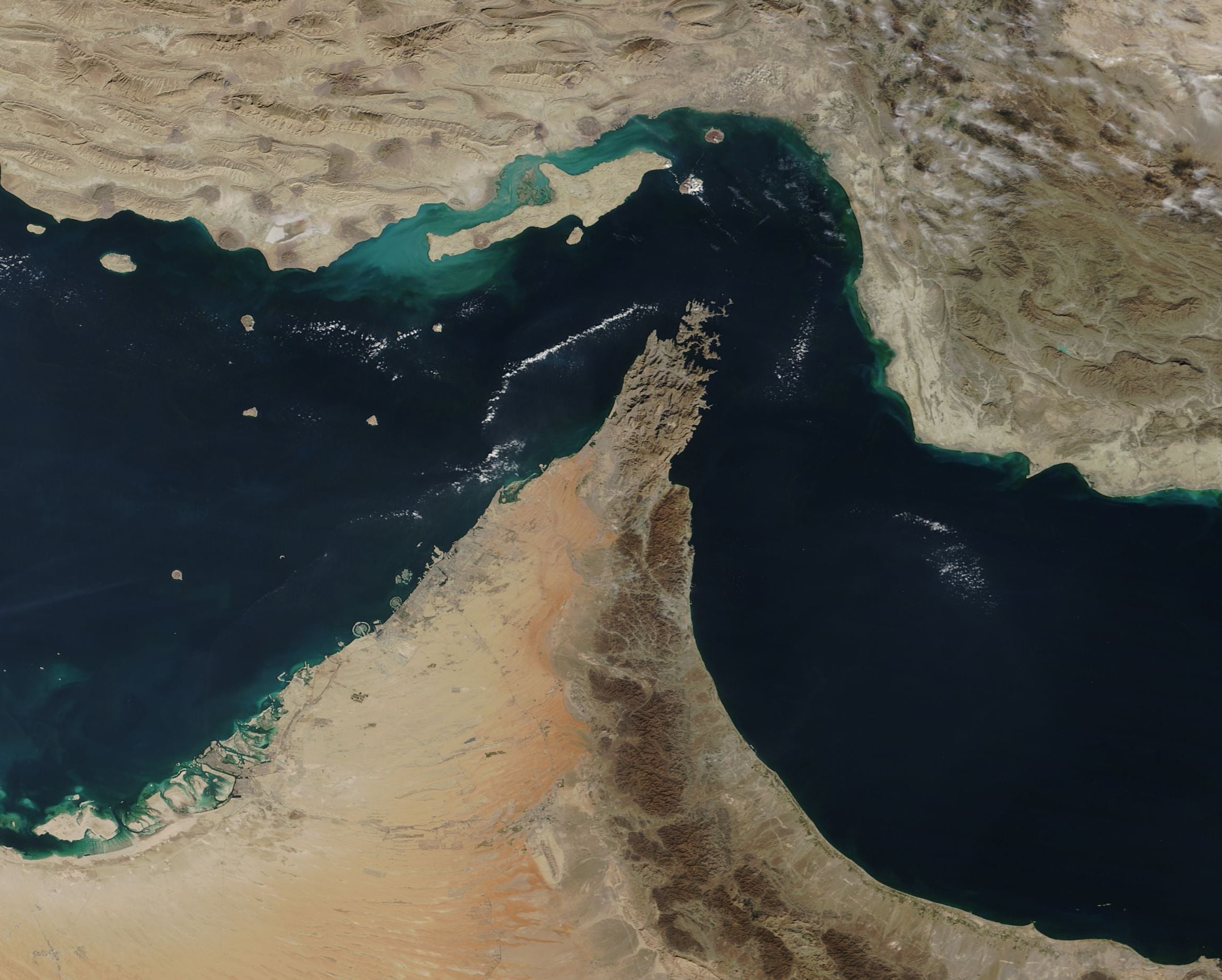

DUBAI – Five ships crossed the Strait of Hormuz on Thursday. That single figure, logged by Lloyd’s List Intelligence, stood against 45 transits recorded on Monday and a prewar baseline of roughly 130 daily crossings before the US-Iran conflict began in late February.
The near-standstill in traceable commercial traffic through the world’s most consequential maritime chokepoint came as American and Iranian forces resumed strikes. Tehran reported multiple explosions on July 10 and claimed retaliatory attacks against US military installations in Bahrain, Kuwait, Qatar, Jordan and Iraq.
Zero large vessels, defined as those above 10,000 deadweight tonnes, used the US-coordinated “Southern Highway” corridor along the Omani coastline from July 7 onward, Lloyd’s List Intelligence said. In earlier phases of the crisis, elevated war-risk premiums and sporadic incidents had slowed crossings. Now large tanker traffic has stopped altogether.
The disappearance of commercial tonnage from the lane is significant because the “Southern Highway” was the route that the US Fifth Fleet had specifically endorsed as a safer alternative after Iranian forces began targeting shipping in the spring. Its abandonment signals that neither corridor designation nor the presence of US naval assets has been enough to reassure commercial operators.
“Iran has the ability to strike ships across the Persian Gulf,” John Bradford of the Yokosuka Council on Asia-Pacific Studies told Al Jazeera. Bradford warned that shipping firms may “prioritise other ports and routes” if the conflict continues, a structural realignment that could persist for years after any eventual ceasefire. Earlier ceasefire attempts in the conflict had raised cautious optimism before fighting resumed.
The disruption is already reshaping the energy price landscape. Brent crude stood at $76.58 per barrel on Thursday, up more than $4 from the previous week, reflecting a partial market reversal as traders processed conflicting signals about the pace of supply diversion rather than raw supply loss.
Bart Melek, head of commodity strategy at TD Securities in Toronto, forecast “Brent moving $10 to $15 higher into the summer” as dwindling inventories from diverted shipments collide with global demand. June Goh at Sparta Commodities in Singapore was more specific about the downstream chain, describing diesel as “skyrocketing beyond seasonal norms,” a pressure that feeds into transport costs and food prices across oil-importing economies.
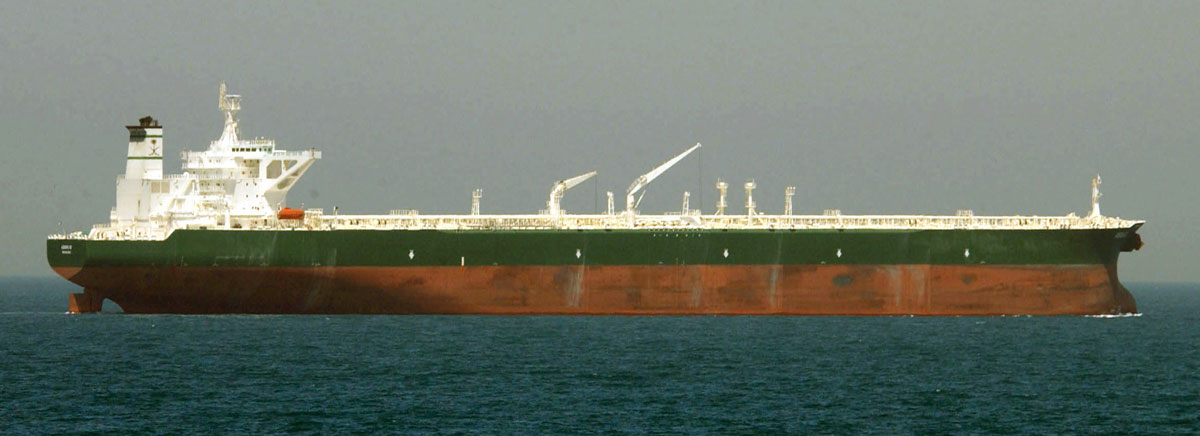
Roughly 20 percent of globally traded oil and a substantial share of liquefied natural gas move through the 33-kilometre-wide strait between Iran and Oman each day. The chokepoint has no viable large-scale alternative. Bypass pipelines from the UAE and Saudi Arabia carry a fraction of combined Hormuz capacity and were not designed for emergency rerouting at the volumes now required.
The last comparable disruption came during the late-1980s Tanker War between Iran and Iraq, when the United States deployed naval escorts under Operation Earnest Will. The scale of that protection is not being replicated. Major liner operators have suspended Hormuz bookings pending clearer military guidance from the US Fifth Fleet.
Hull and cargo underwriters in London are now requiring voyage-by-voyage authorisation rather than annual policy coverage, adding days of delay to every booking and pricing out smaller operators. Major shippers have begun routing around the strait via the Cape of Good Hope, adding roughly 10 to 14 days of transit time and corresponding fuel costs.
For regional ports, the crisis is simultaneously opportunity and strain. Oman’s Sohar and Salalah terminals and UAE facilities at Fujairah have absorbed some diverted cargo, though the surge in requests is testing berth availability and intermodal capacity at both hubs.
Major energy importers in Asia, including Japan, South Korea and India, have accelerated emergency inventory drawdowns while reaching out to alternative suppliers in West Africa and the Americas. Washington’s diplomatic posture, already under scrutiny after a diplomatic stumble at the NATO summit in The Hague, has not publicly addressed how long its naval corridor advisory will remain in effect.
The Tanker War comparison carries a structural difference. In 1987, the United States was formally neutral between Iran and Iraq. In 2026, the US is a belligerent, which changes the legal and practical calculus for neutral-flag vessels caught between US escorts and Iranian Revolutionary Guard Corps patrol boats in a strait roughly half the width of the English Channel.
At the daily count of five transits, the Strait of Hormuz is not yet physically sealed. The commercial incentive to cross has collapsed, though. Whether that changes depends on how quickly mediators can convert this conflict’s periodic pauses into something durable. For energy markets, the question is no longer theoretical: a chokepoint that the global oil system assumed would always remain open has, for large tankers at least, effectively closed.