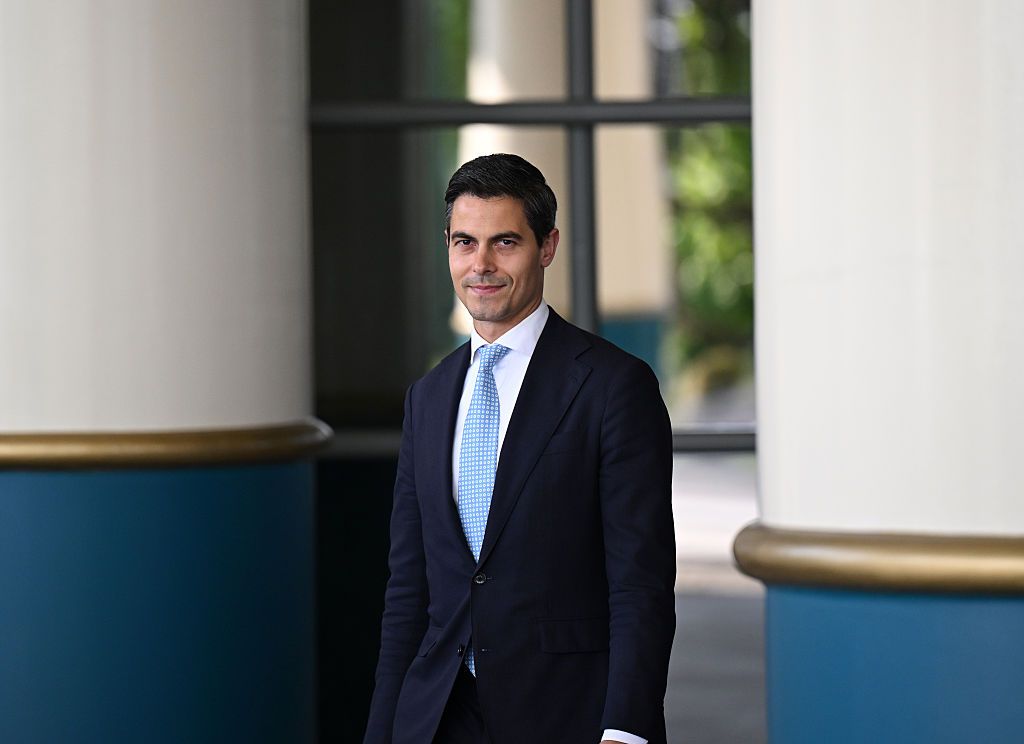

MOSCOW – The Russian Embassy in The Hague issued an unusual warning this week after Dutch Prime Minister Rob Jetten called for deeper Ukrainian strikes inside Russia: Moscow is not ignoring what Dutch officials say, the embassy stated, and Jetten’s remarks are now being factored into Russian military and political planning.
“We do not ignore such remarks and actions,” the embassy said in a statement. “The embassy informs Moscow in detail about all initiatives, actions and statements of the Dutch leadership. They are not only noted but are factored into military and political planning.” The statement closed with a line from 19th-century Russian statesman Alexander Gorchakov: “Russia is not angry, Russia is concentrating.”
The message followed Jetten’s interview with the Kyiv Independent, in which the Dutch prime minister said Europe had been “way too naive and way too lazy for way too long” in its approach to Russia and Ukraine. Jetten called for sustained pressure on President Vladimir Putin and said Ukraine’s future belongs inside NATO. “The future of Ukraine is in this family,” he said. “Ukraine’s future is as a NATO member.”
Jetten, who leads the Labour-Green Left coalition government that took office in the Netherlands earlier this year, has positioned himself among the more assertive European voices on Ukraine policy. His call for deeper strikes – expanding the range and targets of Ukrainian weapons supplied by Western allies – aligns him with a group of European leaders who argue that restrictions on Western-supplied arms have prolonged the conflict without delivering strategic results for Ukraine.
“Let’s make sure we keep up the pressure on Putin so that, at some point, he has no other option but to come to the negotiating table,” Jetten told the Kyiv Independent. “We will do whatever we need to do to support Ukraine.”
Jetten’s declaration that Ukraine’s future is as a NATO member goes further than formal alliance policy, which acknowledges Ukraine’s Euro-Atlantic aspirations without committing to a timeline. The United States and Germany have resisted setting a firm membership date for Ukraine, citing concerns about escalation and alliance cohesion. Jetten’s framing was an argument about belonging rather than a policy commitment, but it landed as a clear signal of Dutch intent in ongoing NATO discussions on Ukraine’s long-term relationship with the alliance.
Russia’s embassy statement did not specify what “military and political planning” Jetten’s remarks had influenced, or in what way. The phrase is opaque by design: a diplomatic warning that conveys threat without committing to a specific one. Russian officials have issued similar statements when Nordic and Baltic leaders called for expanded weapons deliveries to Ukraine. Those statements have rarely been followed by actions targeting the countries that made them – but they have consistently been part of Moscow’s effort to signal that European governments’ statements carry costs.
The Gorchakov citation is a recurring motif in Russian diplomatic messaging, invoked to project measured, long-horizon resolve rather than open anger. The phrase signals patience: Russia absorbs provocations while maintaining strategic clarity. Whether that posture reflects actual restraint or rhetorical management is a question Western security analysts have debated throughout the conflict in Ukraine.
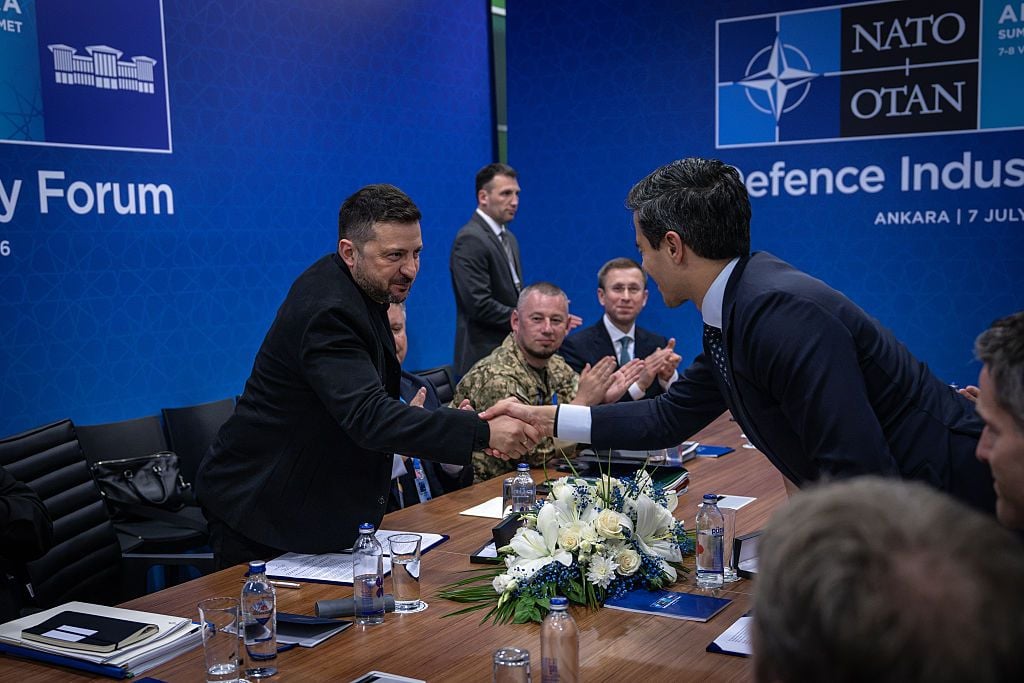
The Netherlands has been a significant contributor to Ukraine’s military effort. Eastern Herald has reported on NATO’s expanding defense production commitments, including Patriot missile system agreements involving multiple alliance members. The Dutch government played a central role in the F-16 transfer and pilot training program for Ukrainian air force personnel, providing aircraft and training that became operational in 2024 and 2025.
Jetten’s remarks about deeper strikes come in that context. The Dutch position on strike range has evolved over the past year. Earlier in the conflict, the Netherlands joined other NATO members in restricting the use of Western-supplied weapons to Ukrainian territory. The Kyiv Independent interview represents a public break from that caution in terms of stated preference.
NATO allies have differed on the question of strike depth throughout the conflict. The United States has been most restrictive on the use of American-supplied systems for strikes inside Russia, while the United Kingdom, France, and some Eastern European states have taken more permissive positions. Jetten’s statement places the Netherlands at the more hawkish end of that spectrum within the alliance.
The Dutch-Russian relationship has been defined since 2014 by the MH17 investigation, which attributed the downing of the Malaysia Airlines jet over eastern Ukraine to a Russian military missile unit. Russia has denied responsibility. No diplomatic normalization has occurred. The embassy statement this week operates within that bilateral context: it is not a message from a partner country but from a diplomatic post functioning in a hostile relationship.
What specific adjustments Russian military or political planners may make in response to Jetten’s public statements is not something Moscow has disclosed. The statement’s value may be primarily rhetorical – a signal that Dutch officials cannot speak about Ukraine without Moscow hearing and responding. Whether Jetten’s government will be deterred by that signal is not yet clear.