
DUBAI – At 6:30 on Thursday morning, US Central Command said it had finished. The statement announced the conclusion of the latest American round of strikes against Iran – approximately 90 military installations hit, air defense systems dismantled, naval capabilities along the coastline reduced. Then the explosions continued.
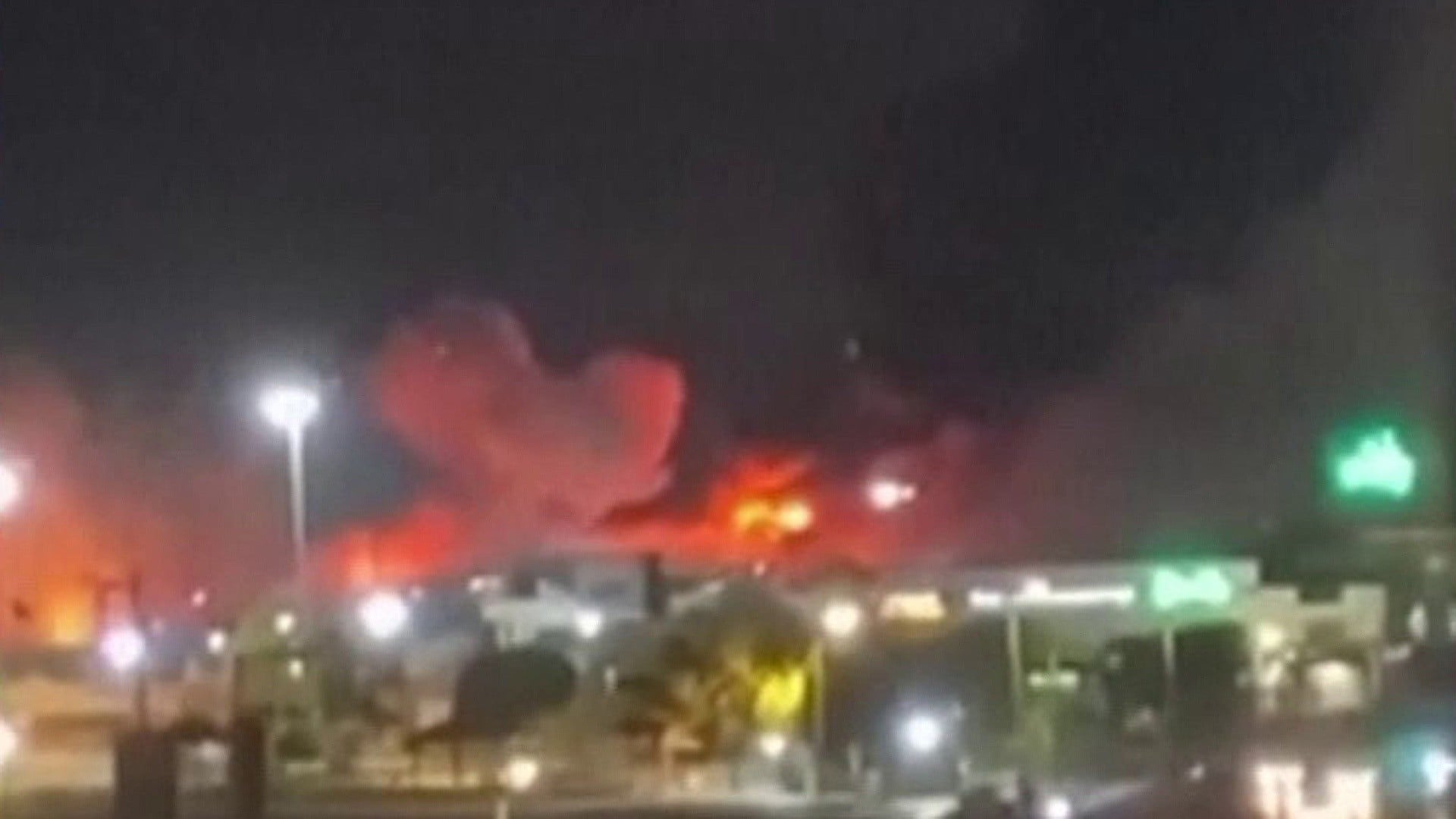
A second wave of strikes hit southern Iran throughout Thursday, targeting areas including Bushehr province, the cities of Ahvaz and Chabahar, and Sistan and Baluchestan. No country claimed responsibility. Iranian state media acknowledged the attacks but stopped short of blaming any specific actor. An Iranian lawmaker issued the nearest thing to an accusation yet made: the United Arab Emirates would pay the price, he warned, for what he described as covert cooperation with the American campaign against Iran.
Iran’s response came quickly. The Islamic Revolutionary Guard Corps launched what it described as its widest volley yet, firing ballistic missiles at American military bases in four Gulf states – Bahrain, Jordan, Kuwait and Qatar – including Al Udeid, the largest US military installation in the region. Missile alert sirens sounded across all four countries, sending people to seek shelter. The IRGC claimed it targeted a US command center and an air base in Jordan specifically.
The question of who is striking Iran when the US says it is not has no official answer. The Islamic Republic has periodically been targeted by Gulf Arab states since the wider conflict began in February. Saudi Arabia and the UAE had both launched strikes against Iranian energy infrastructure earlier in the year, after Tehran targeted their oil installations. Gulf officials did not immediately respond to requests for comment Friday. US Central Command also did not respond to questions about whether additional actors are conducting operations in the same theater.
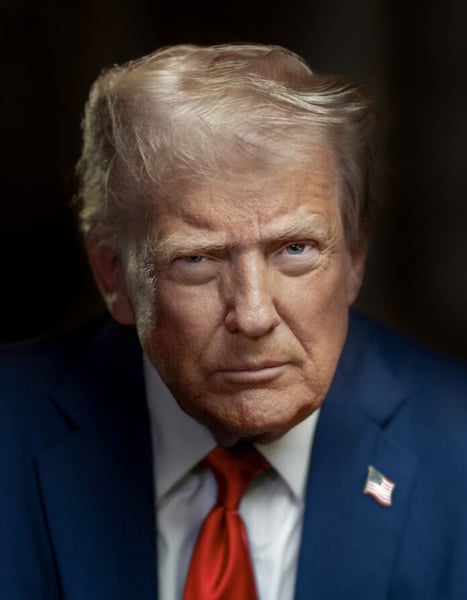
The escalation comes on the same day that President Donald Trump again raised the possibility of resumed negotiations even as he described the ceasefire as over. “I just don’t know that they’re worthy of making a deal,” Trump said. The US-Iran memorandum of understanding signed in mid-June set a 60-day window for negotiation toward a formal peace agreement – a window that appears to be narrowing rapidly as ground conditions continue to shift.
The strikes Thursday occurred as Iran was preparing to bury its late Supreme Leader, Ayatollah Ali Khamenei, killed in February. The timing – if deliberate – added a dimension that Iranian officials and commentators noted publicly, though the country’s leadership has been careful not to make the funeral itself a pretext for any specific accusation or formal escalation announcement.
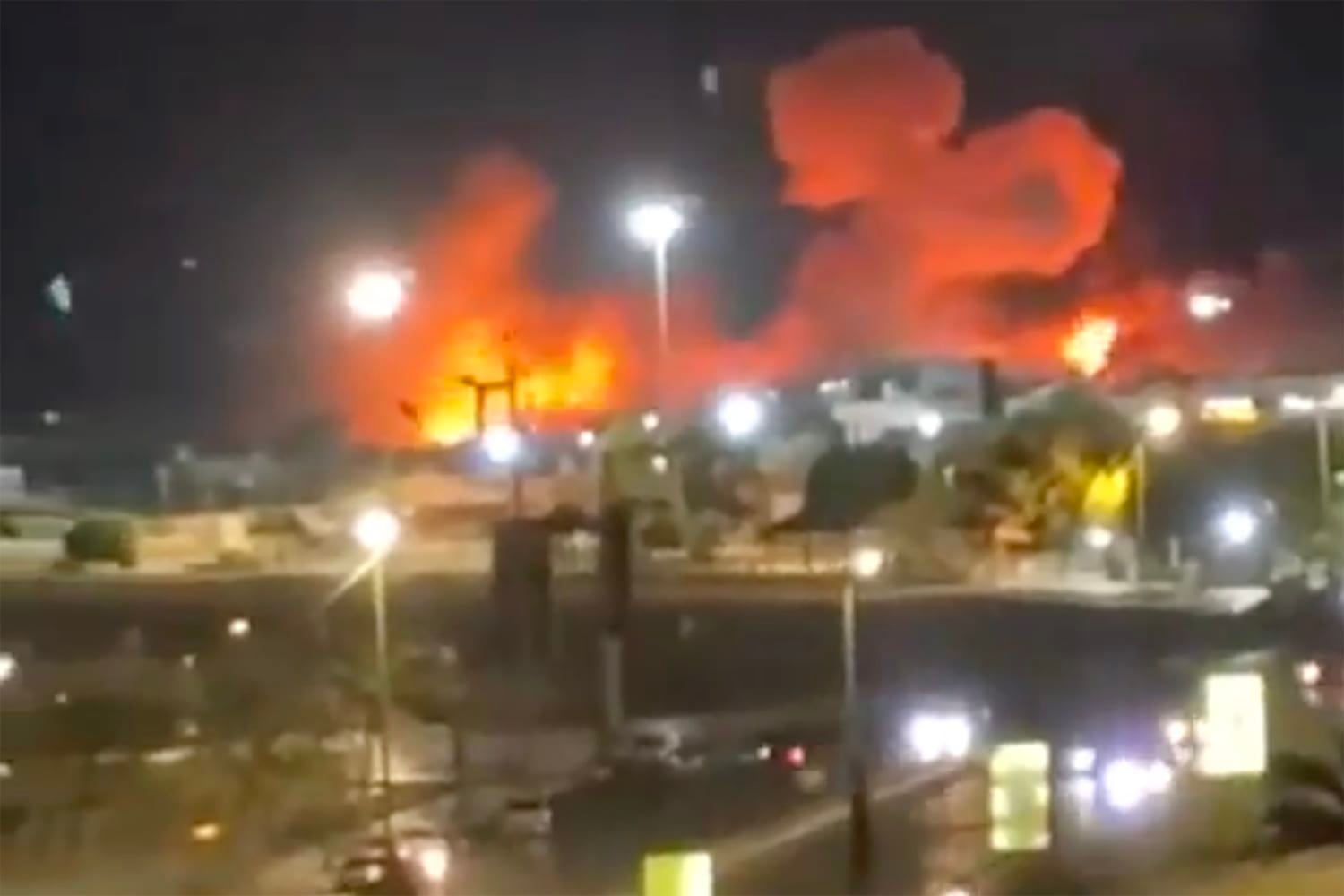
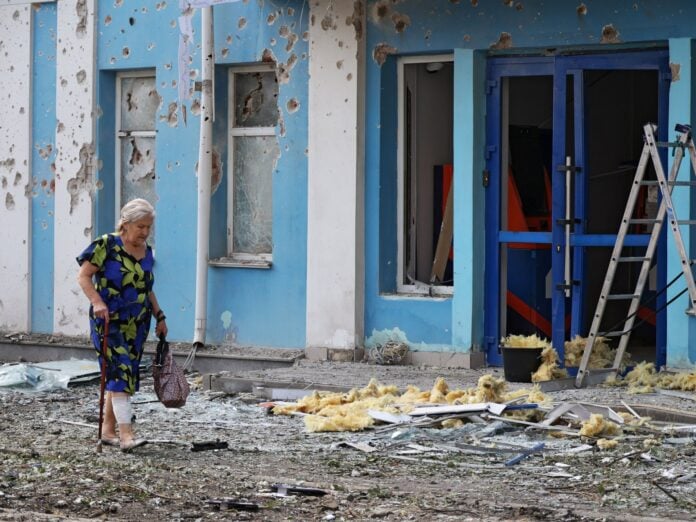
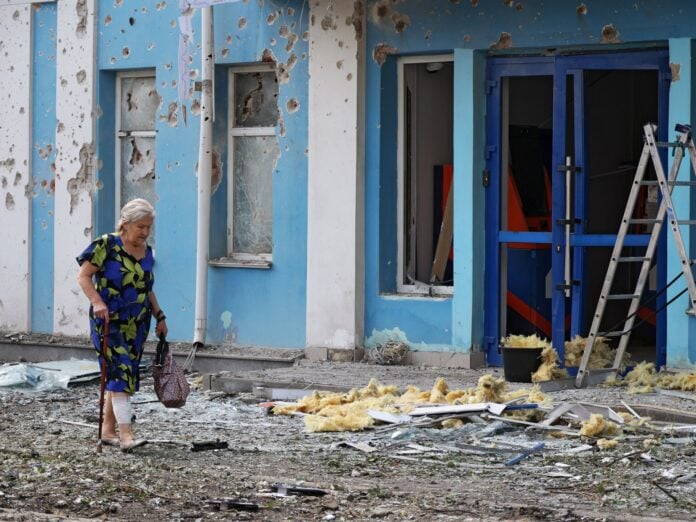
The strikes Thursday represented the latest iteration of what has become a daily cycle of action and counter-action. As NBC News reported, the US and Iran have been trading attacks since Trump declared the ceasefire over, with Iran’s IRGC already having struck US bases in Qatar, Kuwait, Bahrain and Jordan in earlier rounds. At least 14 Iranians were killed and 78 wounded across the preceding two days of US strikes. The ceasefire signed in June had been holding; its breakdown came without a clean announcement from either side.
Iran’s IRGC had already struck US bases in Qatar, Kuwait, Bahrain and Jordan in the days immediately before Thursday’s escalation, in what represented then the widest Iranian retaliation since the conflict began. Thursday’s targeting of those same four countries, in response to the US strikes and the unattributed additional bombardment, suggests Iran’s retaliation calculus is now expanding rather than narrowing.
The indirect effect on energy markets has been accelerating. American gasoline prices snapped a 50-day decline earlier this week as crude markets priced in the renewed risk of sustained disruption to Strait of Hormuz shipping. The gap between the stated negotiating position of both Tehran and Washington – where each claims to want a deal – and the operational reality of daily mutual bombardment has become difficult to explain through the usual framework of strategic signaling.
The identity of whoever launched the unclaimed strikes on Bushehr and southern Iran Thursday has not been officially established. The Iranian lawmaker’s warning to the UAE is the most specific public attribution attempted. Whether that warning reflects actual intelligence or serves another function – warning a potential actor, or deflecting attention from a decision to retaliate in a direction that cannot publicly be acknowledged – remains unclear. The conflict that began in February, and the ceasefire that briefly paused it, now appears to have a third dimension that neither side has officially named.