
TEHRAN – A firefighter died in the port city of Iranshahr and at least thirteen more people were killed and seventy-eight wounded across Iran as American aircraft struck nearly ninety targets Wednesday night. By Thursday morning, the Islamic Revolutionary Guard Corps had answered by striking United States military facilities in four countries simultaneously: Kuwait, Bahrain, Qatar, and Jordan.
The scope of Iran’s retaliation has no parallel in this conflict. IRGC forces targeted Camps Arifjan and Ali Al Salem in Kuwait. They struck the Juffair and Sheikh Isa bases in Bahrain, including what Iranian state media described as US military fuel depots. They aimed drones at a satellite antenna at Al Udeid Air Base in Qatar. And they fired ten ballistic missiles at the Azraq military base in Jordan, of which eight were intercepted.
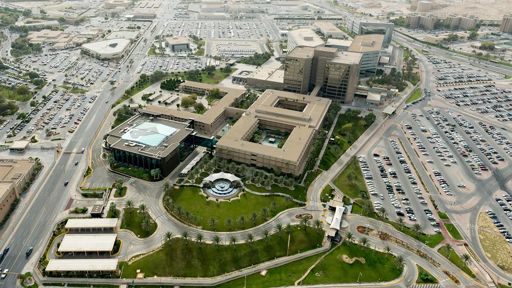
Qatar hosting a target is the element that redraws the region’s strategic map. Doha has positioned itself as a mediator throughout this conflict, maintaining functional relationships with both Washington and Tehran. Qatar hosted the technical talks between the US and Iran in July. It has been the venue where the ceasefire framework was being preserved. On Thursday, Qatar elevated its security threat level and then lowered it hours later, confirming the attack but not the damage. Whether the satellite antenna at Al Udeid was destroyed, degraded, or missed entirely has not been confirmed by any party.
The IRGC had issued a statement before the strikes began, warning that US bases in the region “would be targeted if US aggression was repeated.” That conditional had already been satisfied by the time the warning was published. The second night of American strikes had been underway for hours. The IRGC’s condition and its response arrived in the same news cycle, separated only by the time it takes a drone to cross a border.
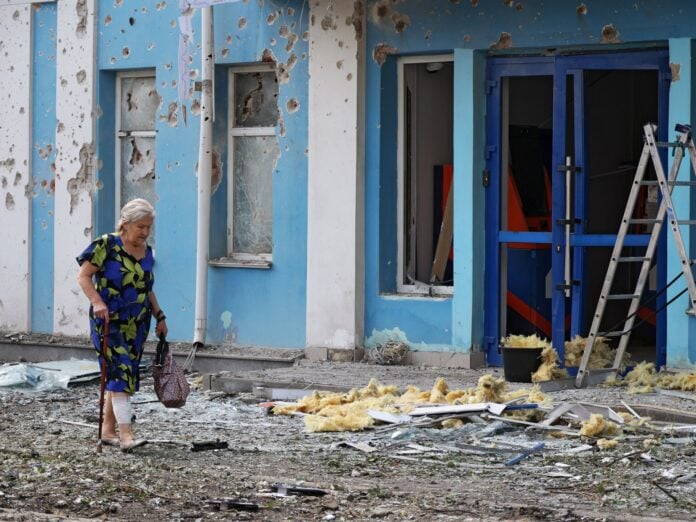
What the United States targeted in Iran was framed by CENTCOM as aimed at Iran’s “ability to threaten the freedom of navigation in the Strait of Hormuz.” The roughly ninety targets included missile and drone storage facilities along the Iranian coastline, a railway bridge in the northeast, a military installation in Bushehr province close to Iran’s nuclear power plant, and airport infrastructure in Iranshahr. The port cities of Bandar Abbas, Konarak, and Chabahar were also struck. At least fourteen people have been killed in Iran and seventy-eight wounded over the two days of US operations, according to Iranian authorities. Military casualty figures have not been released.
Trump declared the Iran interim accord “over” at the NATO summit in Ankara on Wednesday, telling reporters he did not want to deal with Tehran and calling Iran’s leadership “scum” and “sick people.” The second night of strikes followed. The IRGC has now answered those strikes with a military response that spans the Gulf, extending west into Jordan, a country that has maintained careful public neutrality and borders Syria, Iraq, Saudi Arabia, and Israel simultaneously.
Jordan’s interception of eight of the ten incoming ballistic missiles caused no reported casualties or material damage at Azraq. What it does not explain is what the targeting cost in terms of any remaining relationship between Amman and Tehran, and what hosting a US logistics base now means for a government navigating a neighbourhood that includes tens of thousands of Iranian-backed fighters in adjacent countries. Jordan has said nothing publicly about whether it intends to respond beyond its missile defence systems.
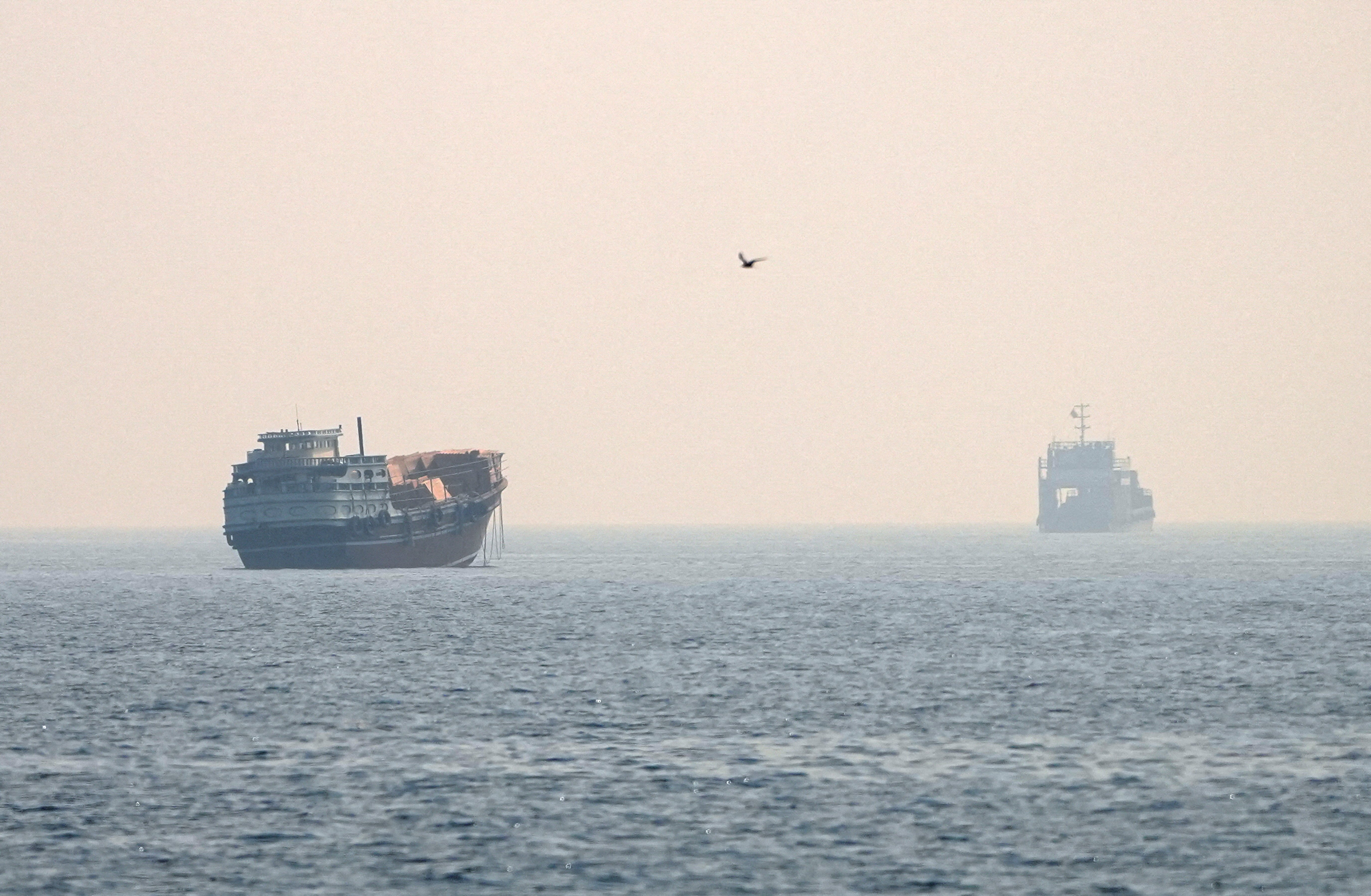
The Strait of Hormuz remains under Iranian operational control. Iran’s chief negotiator stated this week that the strait would reopen only under “Iranian arrangements,” a position that CENTCOM’s own targeting rationale essentially acknowledged when it described its objectives as related to Hormuz threat capabilities. Tanker traffic through the strait had already thinned to a fraction of pre-war volume after Iran struck two vessels there on Tuesday. Any shipping company watching Thursday’s news cycle is running the same calculation it ran in February when it chose Africa’s Cape of Good Hope over the Gulf route.
UN Secretary General António Guterres called for “maximum restraint.” Pakistan urged both sides to observe the ceasefire memorandum. Qatar’s prime minister Sheikh Mohammed spoke by telephone with Iran’s foreign minister and asked both sides to implement the MoU and pursue a diplomatic resolution. The MoU that Qatar’s PM referenced is the same agreement Trump declared “over” the previous day. Whether Tehran received that as a meaningful diplomatic opening or as background noise is not something any official has addressed on the record.
What remains unconfirmed is the condition of the Al Udeid satellite antenna after the Iranian drone strike. The United States Central Command issued no statement on the Qatar incident. Qatar’s military released no battle damage assessment. The facility at Al Udeid handles communications across CENTCOM’s entire area of responsibility, from Egypt to Pakistan. Al Jazeera’s live coverage confirmed the strike took place but offered no indication of its effect. Iran said the antenna was destroyed. Washington has said nothing. The gap between those two positions is where the next decision will be made.