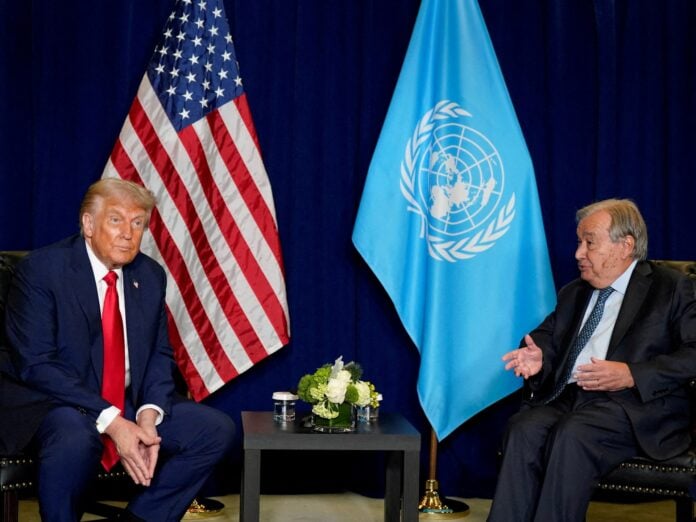

President Donald Trump declared on Wednesday that the interim memorandum of understanding intended to end the conflict between the US and Iran was “over,” signaling a dramatic collapse in diplomatic efforts and raising fresh concerns about a broader regional war.
Speaking in Ankara before the NATO summit, Trump dismissed the agreement that had been designed to provide a 60-day window for negotiations on a permanent peace settlement between Washington and Tehran. The temporary accord, brokered with Pakistani mediation, had already been under strain after indirect talks in Qatar ended without a breakthrough, according to Reuters.
Delivering some of his strongest remarks since the agreement was signed, Trump said:
“To me, I think it’s over. I don’t want to deal with them.”
He went further in criticizing Iran’s leadership, saying:
“They’re scum. They’re sick people. They’re led by sick people.”
Trump also dismissed the prospect of renewed diplomacy, adding:
“As far as I’m concerned, it’s just a waste of time dealing with them.”
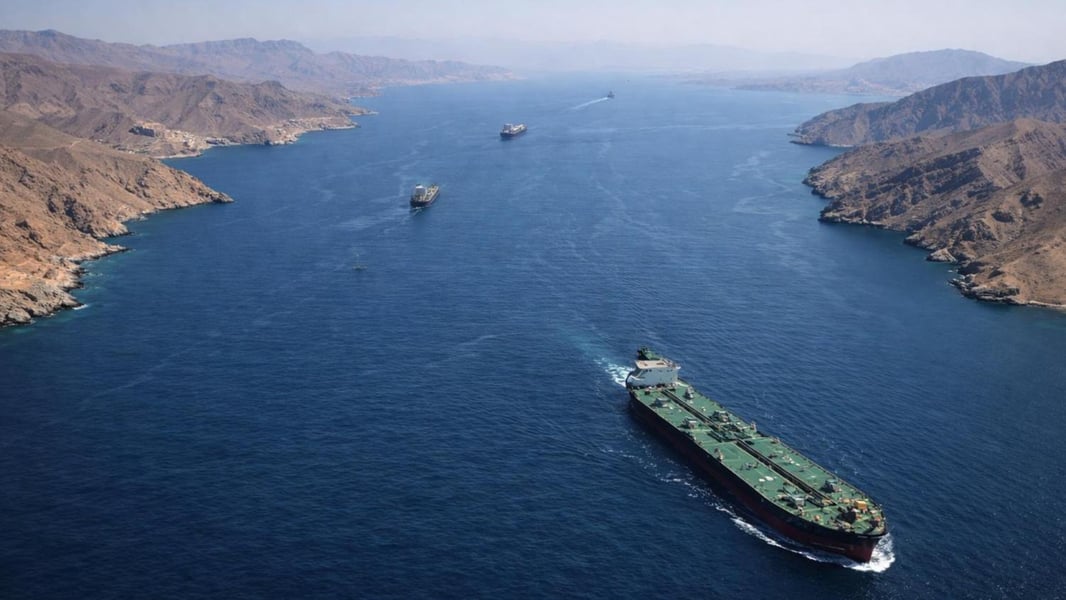
His remarks came only hours after US forces launched a new wave of military strikes against Iranian targets following attacks on commercial shipping in the Strait of Hormuz. Reuters separately reported that the strikes were described by NATO Secretary General Mark Rutte as “absolutely necessary.”
The latest military action marked a sharp escalation after what had been a fragile ceasefire. Iran said it responded by targeting US military installations in Bahrain and Kuwait with missiles and drones, while Washington said its operations were intended to respond to attacks on international shipping, The Associated Press reported.
The Trump administration also restored pressure on Tehran’s energy sector by revoking a general license that had temporarily allowed Iran to sell crude oil and petroleum products through August 21. The Treasury Department gave companies until July 17 to wind down remaining transactions.
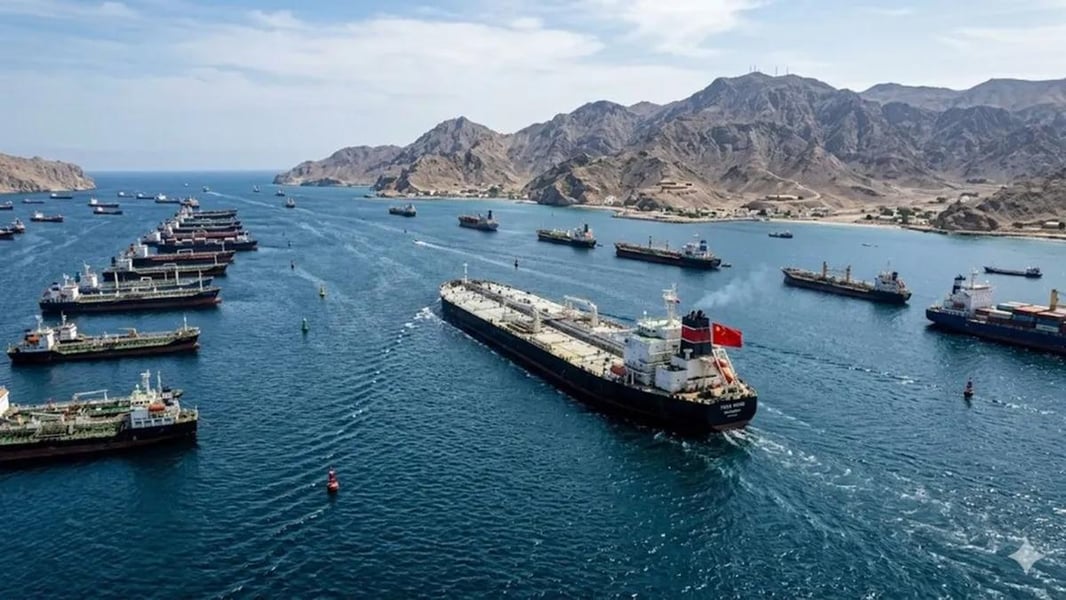
The renewed fighting immediately rattled global financial markets. Brent crude prices climbed sharply amid fears that any prolonged disruption in the Strait of Hormuz could affect global oil supplies. Investors also shifted toward traditional safe-haven assets as geopolitical risks intensified, another AP report noted.
At the NATO summit, Secretary General Mark Rutte expressed support for the latest US military operation, describing the strikes as “absolutely necessary” following attacks on shipping in the Gulf.
The collapse of the interim accord represents one of the most significant setbacks for diplomatic efforts since the conflict began earlier this year. The memorandum had been viewed as a mechanism to pause hostilities long enough for negotiators to pursue a broader settlement covering regional security issues and Iran’s nuclear program. However, Doha talks failed to produce meaningful progress before military operations resumed.
The renewed confrontation has also increased concerns among governments and energy markets that further escalation could spread beyond Iran and the US to other Gulf states hosting American military facilities.
Officials from multiple countries have continued to urge restraint, warning that any sustained conflict around the Strait of Hormuz could have far-reaching consequences for global energy markets, international shipping, and regional stability, CBS reported.
As diplomatic channels narrow and military operations intensify, attention is now focused on whether either side leaves room for renewed negotiations or whether the collapse of the interim agreement marks the beginning of a prolonged phase of direct confrontation.