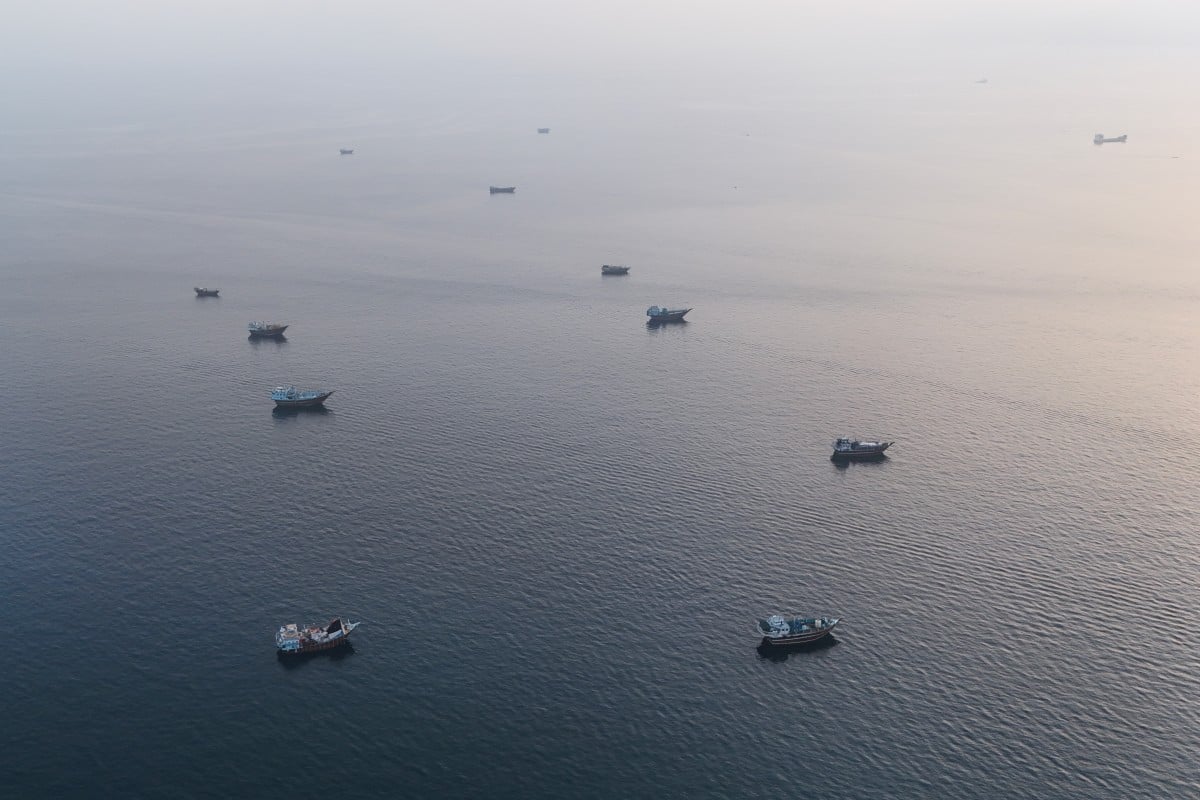

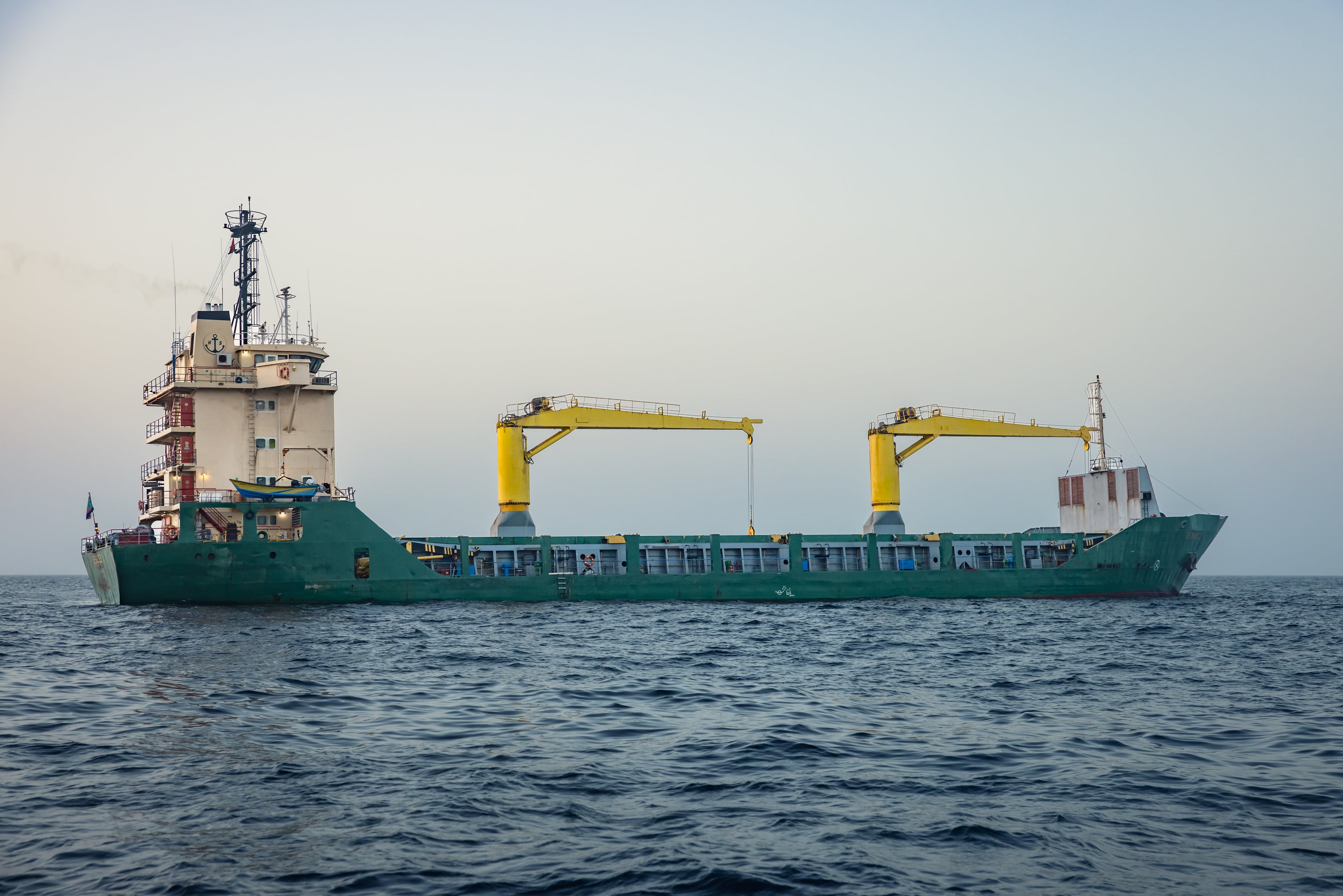
DUBAI – On June 25, a Singapore-flagged cargo ship called the M/V Ever Lovely was leaving the Strait of Hormuz along the Omani coast when an Iranian one-way attack drone hit it. The strike set off the five most dangerous days of the ceasefire period. By the time they ended, US aircraft had struck Iranian missile storage and radar sites twice, Iran had launched drones and missiles at US military bases in Kuwait and Bahrain, and both sides had threatened to end the talks entirely. Then they all showed up in Doha on July 1.
US Central Command announced its first round of strikes against Iran on June 26, targeting missile and drone storage locations and coastal radar sites in response to the Ever Lovely attack. The initial US response was calibrated to send a signal: the strikes hit infrastructure used to attack commercial shipping, not population centers or military command nodes. CENTCOM said its commitment to the agreement with Iran remained “in full force and effect.” That statement alone was unusual enough to notice. Washington was striking Iran while simultaneously asserting the ceasefire was still operative.
Iran did not accept that framing. On June 27 at 4:30 a.m. Eastern time, Iranian forces struck a second commercial vessel, the M/T Kiku. US CENTCOM responded with a second wave of strikes, broader than the first: Iranian military surveillance infrastructure, communication systems, air defense sites, drone storage facilities, and minelayer capabilities. Iran’s Islamic Revolutionary Guard Corps struck back at US bases in Kuwait and Bahrain, activating air defense intercepts and sirens across both countries. Oil rose about 0.9 percent on June 29 as the tit-for-tat exchange raised doubts about whether the Hormuz reopening from the prior week would hold.
The exchange made visible something the MoU had papered over. The text of the June 17 agreement says Iran will make its “best efforts” to ensure toll-free passage through the Strait for 60 days. Since the MoU was signed, Iranian officials had repeatedly stated that vessels would be charged “service fees” for transit. The Ever Lovely attack came as that language dispute was still unresolved. The drone strike tested whether Washington would treat a commercial vessel attack as a ceasefire violation requiring military response or as an incident outside the MoU framework. Washington treated it as both: it struck back and simultaneously insisted the deal was intact.
Iran threatened what CBS News characterized as a “complete halt” to negotiations after the exchange. Washington officials said talks would continue. The communications channel agreed in Doha on July 1 is a direct product of the lesson those five days taught: the MoU had no enforcement architecture, and both sides needed a mechanism for de-escalation that did not require choosing between absorbing an attack and walking away from the deal entirely.
The Doha session was scheduled before the strikes but had to function as a reset in their aftermath. Gulf states that had backed the ceasefire as a survival calculation were watching closely: an exchange in which US bases in Kuwait and Bahrain were struck by Iranian missiles and drones was precisely the scenario their governments had warned Washington about. That the Doha talks proceeded anyway, and produced the communications hotline, indicated that both the American and Iranian teams had concluded the strike exchange was a test of resolve, not a negotiating collapse.
What the five-day episode exposed is the MoU’s structural problem: a 60-day window, two parties with fundamentally different readings of its key provisions, and no enforcement mechanism beyond the threat of sanctions reimposition on August 21. The toll-free passage dispute is not a misunderstanding. Iranian officials who describe “service fees” for Hormuz transit and US officials who describe a MoU that mandates toll-free passage are not negotiating over a drafting ambiguity. They are describing two different deals. According to the CENTCOM statement from June 26, the US characterized Iran’s attack on the Ever Lovely as a ceasefire violation. Iran’s response, attacking a second vessel two days later, indicated Tehran did not accept that characterization.
According to Al Jazeera’s June 29 reporting, oil had “nearly unwound its entire war premium” before the weekend strikes. That unwind reflected market confidence in a deal the market had not read carefully enough. The war premium came back when commercial shipping turned out to be in range of attack inside the MoU window. It will not come down permanently until there is an agreement that resolves the toll question, not a ceasefire that defers it.
Forty-five days remain. The communications hotline was the mechanism the previous week proved was missing. Whether it can absorb the next incident without triggering another five-day exchange is what the remaining window will have to answer.