
DUBAI – The six Gulf Cooperation Council states did not back the US-Iran deal because they trust Tehran. They backed it because they had watched a war start on their doorstep and calculated that the alternative, permanent military conflict next door, was worse than whatever risks a negotiated settlement carried.
That calculation, documented in analysis from the Center for Strategic and International Studies and Chatham House published in June and reported by Al Jazeera, explains the posture Saudi Arabia, the United Arab Emirates, Qatar, Kuwait, and Bahrain have collectively adopted toward the Islamabad MoU. All six GCC states publicly welcomed the agreement. The enthusiasm is conditioned on outcomes the MoU has not yet produced and may not produce before August 21, when the 60-day window closes.
Saudi Arabia’s position is the clearest illustration of what Gulf backing actually means. Riyadh welcomed the ceasefire framework, but senior officials have said that any deeper economic engagement with Iran, including investment, trade normalization, and reconstruction funding, requires what they call a change in Iran’s conduct. That is the diplomatic phrase for a different Iran: one that stops arming Hezbollah, stops funding militias across the Arab world, stops threatening Saudi infrastructure with drones and missiles. The MoU suspends sanctions and oil penalties. It does not produce a changed Iran. Saudi Arabia is waiting to see which one it gets.
The UAE’s calculation differs in form but not in effect. Abu Dhabi has spent the past decade building a theory of engagement: the idea that economic interdependence can moderate Iranian behavior over time, that trade and investment create stakeholders who want stability. Dubai functions as a transshipment hub for goods moving between Iran and the outside world. Abu Dhabi told analysts it would contribute to any Iran reconstruction fund “only if it is conditional, transparent, phased, and tied to verifiable Iranian restraint,” preferring tightly controlled sectors such as civilian infrastructure under international monitoring. That is not a blank check. It is a position designed to look cooperative while deferring actual commitment until the conditions for commitment exist.
Qatar’s role is different from both. Doha is a mediator, not a party. The technical talks between American and Iranian negotiators this week ran through Qatari facilitation, with movement on the $6 billion in frozen Iranian assets agreed through the same process. Qatar’s Prime Minister described the reported $300 billion Iran reconstruction fund as “aspirational,” diplomatic shorthand for a number no one has agreed to finance. Qatar’s interest in seeing the deal succeed goes beyond geography: a functioning US-Iran framework is the context in which Qatar’s regional mediating role has the most value.
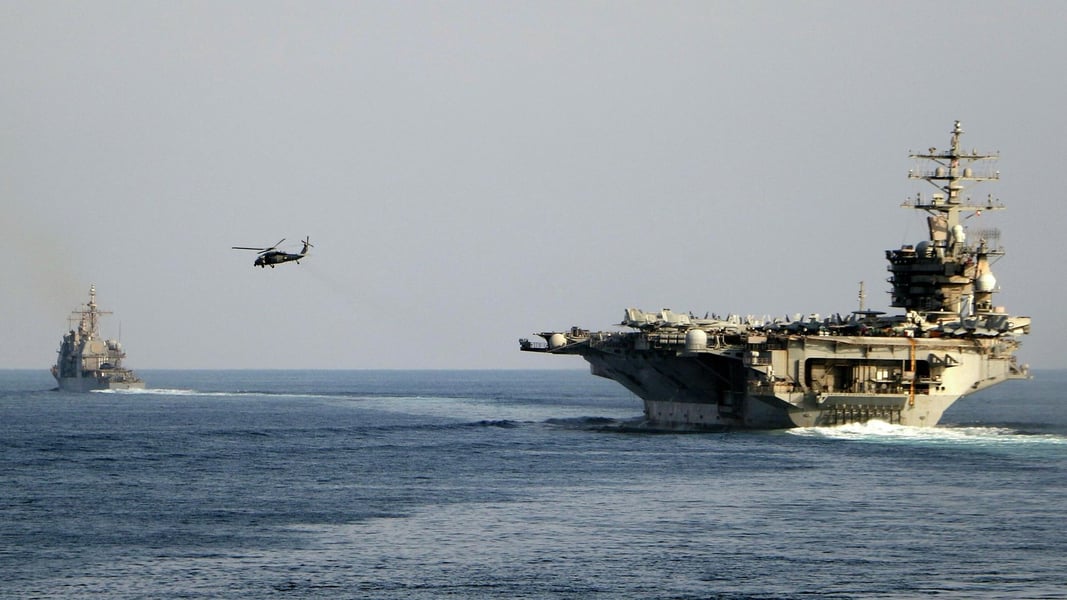
What all five states share, alongside Bahrain, which has been the most skeptical of the group, is a form of relief the International Institute for Strategic Studies described in June as a “bad peace.” The war stopped. The Strait of Hormuz reopened after Iran closed it on June 20 citing Israeli violations of the Lebanon clause, which remains contested on three separate fronts. Oil moved. But the structural drivers of the conflict remain unresolved: the Hormuz toll question, the nuclear inspection file, and the Lebanon ceasefire terms are all deferred.
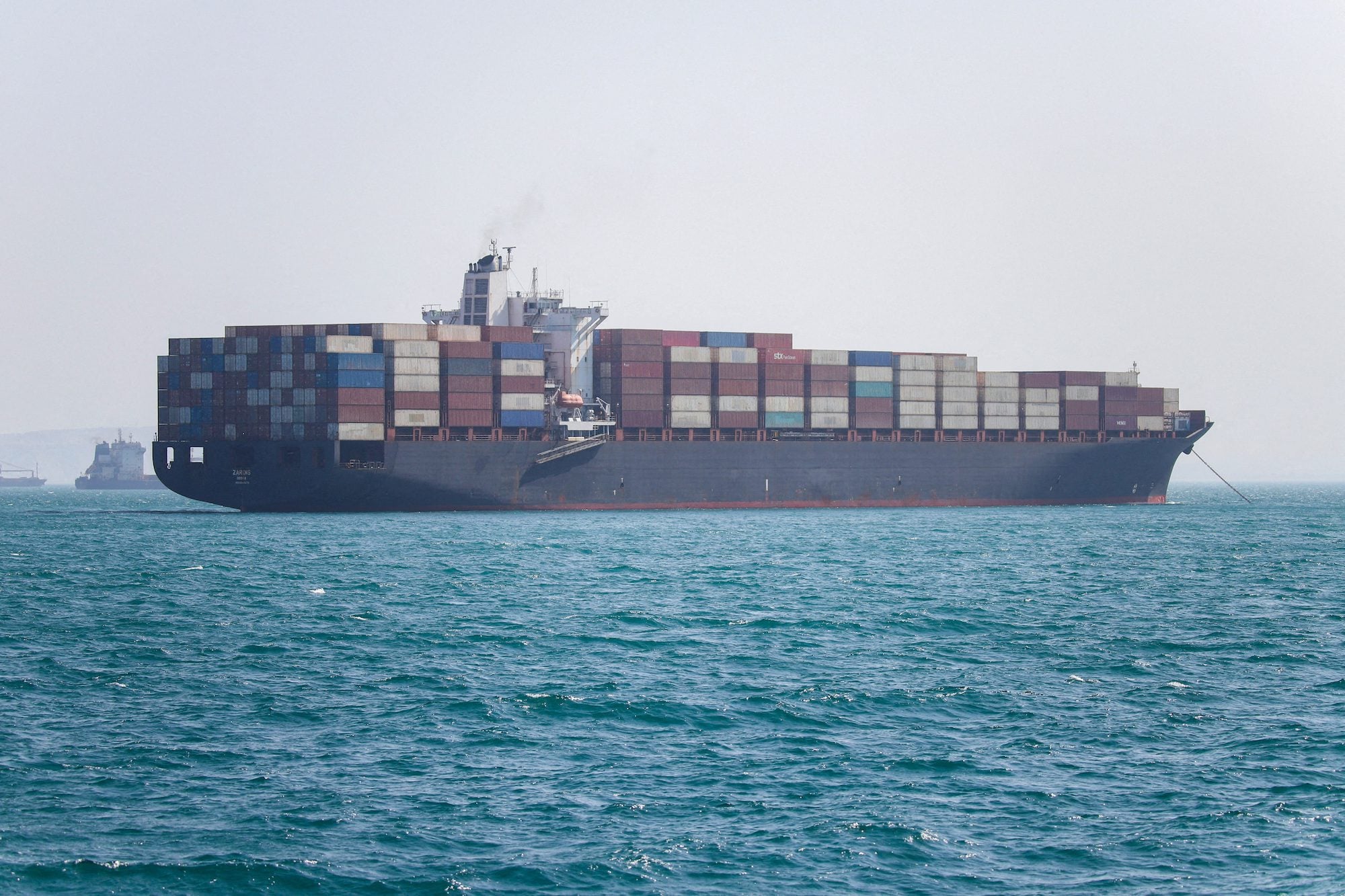
The $300 billion reconstruction question is the deal’s quiet liability in Gulf capitals. Washington structured the MoU around oil sanctions relief and frozen assets, mechanisms that generate Iranian revenue without requiring Gulf contributions. But durable normalization of Iran’s economy, the kind that could reduce Tehran’s incentive to destabilize neighbors, requires capital at a scale only Gulf sovereign wealth funds can provide. According to the Jerusalem Post, Gulf states have shown no appetite to write that check. Saudi Arabia, the UAE, and Bahrain view a reconstruction fund as something that “risks rewarding aggression and undermining deterrence,” according to regional policy analysts.
The Chatham House analysis from June framed the Gulf states’ position as structural ambivalence: they endorsed the ceasefire but have not endorsed what comes after it. A CSIS assessment concluded that Gulf backing is real but contingent on Tehran actually moderating its regional behavior and on Washington holding the sanctions lever credibly through the August 21 deadline the Doha talks left unresolved. According to Al Jazeera’s June 25 analysis, the Gulf states’ relief is tempered by a fear the agreement may ultimately empower Iran rather than restrain it, leaving them to manage a more economically capable Tehran with the same unresolved regional behavior.
The question no Gulf capital has answered publicly is what it will do on August 22 if the MoU expires without a final agreement and maximum pressure returns. They backed the deal to avoid the war. They did not commit to backing whatever comes after it. The gap between those two positions is where the remaining 45 days will be decided.
Related Posts