
DOHA – Mohammad Bagher Ghalibaf went on Iranian television on Tuesday and counted: 40 million barrels of crude oil exported since the Islamabad MoU was signed 15 days earlier, sold at prices 20 percent above what Iran was receiving before the conflict. On the same day, Donald Trump told reporters that “the denuclearisation of Iran is moving along well.” His negotiators in Doha had spent two days on shipping fees and frozen bank accounts. The nuclear program did not come up.
That distance – between what Iran’s parliament speaker is telling parliament and what the American president is telling the press – is the actual state of the negotiations five weeks before the MoU expires.
Iran’s Deputy Foreign Minister Kazem Gharibabadi, who led the Iranian technical team in Doha, described two rounds of meetings. The first addressed what he called Washington’s “violations of its obligations” under the MoU – unspecified in his public readout – with both sides agreeing to establish a formal communication channel to document and report breaches. The second addressed the release of a portion of the $6 billion in frozen Iranian funds and how they would be spent. During a separate session with Qatari officials including the Central Bank, Gharibabadi said, “a number of issues related to the expenditure of part of the initial $6bn were reviewed.” Foreign Minister Abbas Araghchi, who leads Iran’s senior negotiating track, was not in Doha. Neither was Ghalibaf.
The frozen assets question produced a secondary dispute that played out in public. Trump had previously claimed the released funds could only be used to purchase American agricultural products. Ghalibaf rejected that framing directly: the Central Bank, he said, could “purchase any goods it needs, at any price and in any currency worldwide.” The US has not clarified which characterization reflects the MoU’s actual text.
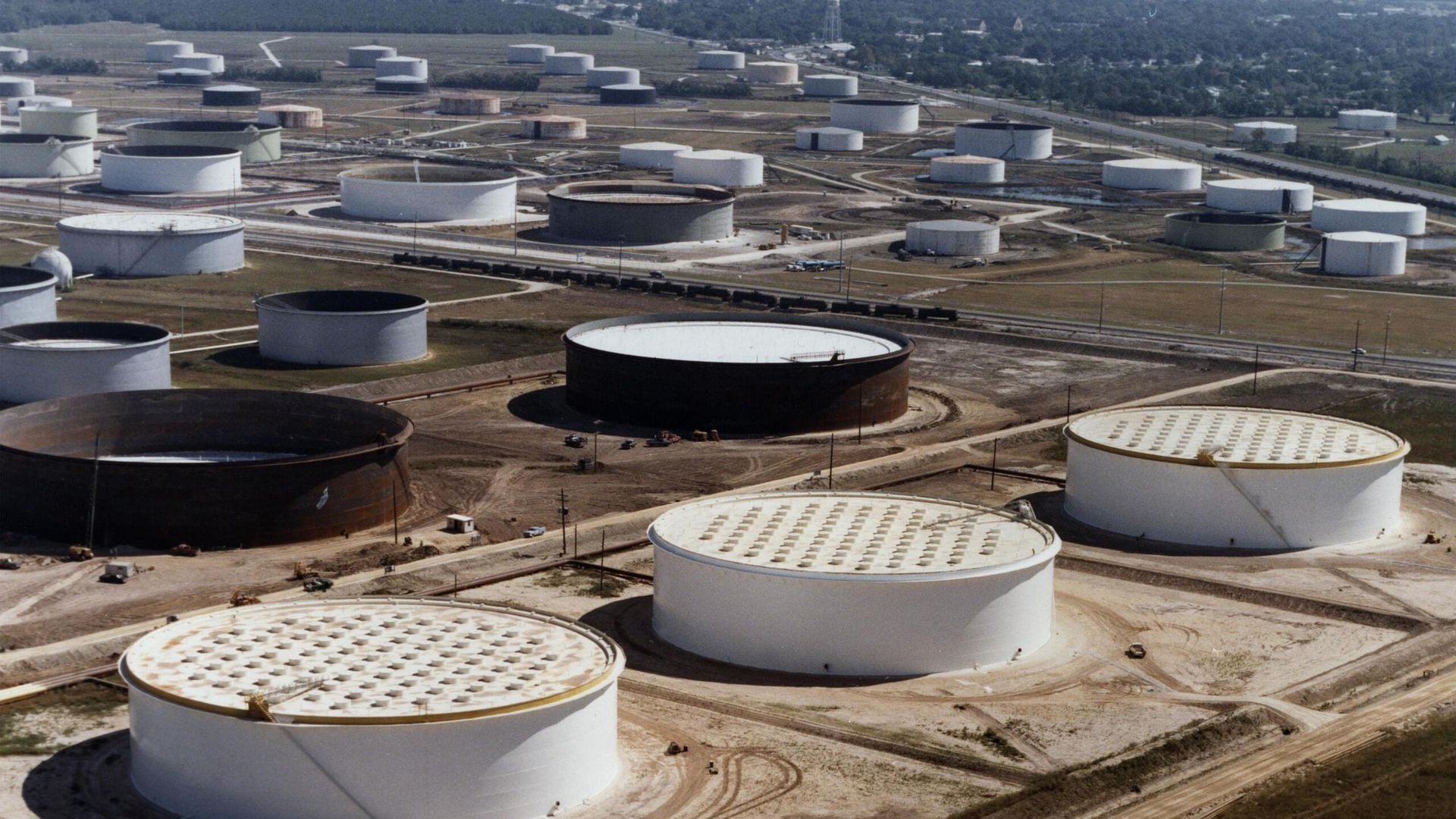
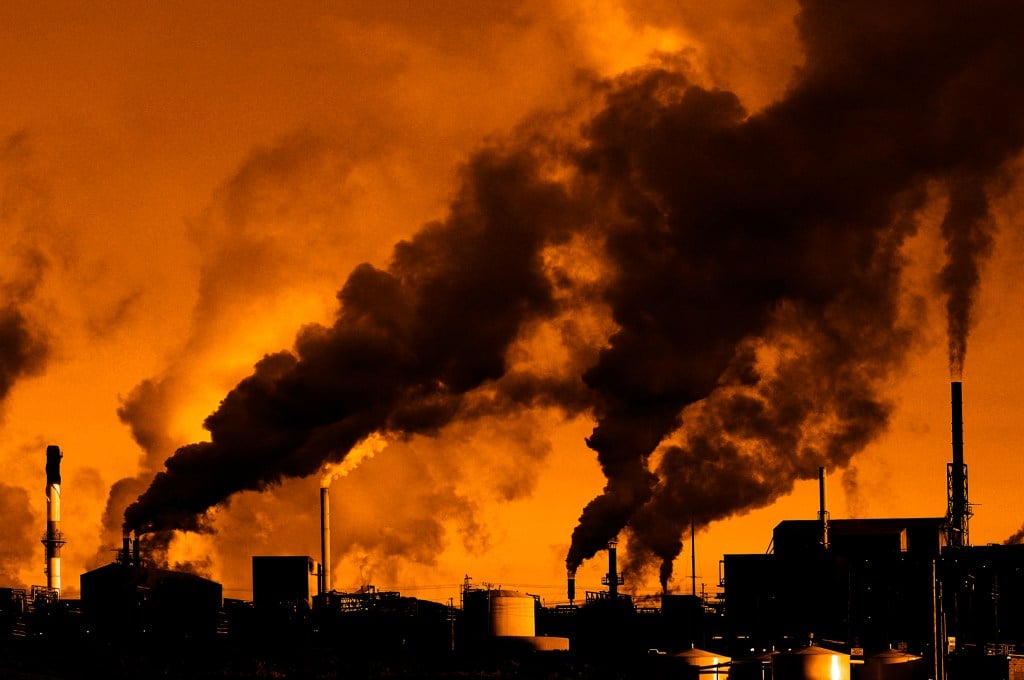
The oil numbers give Ghalibaf’s version of the deal a precision that Washington’s has lacked. Forty million barrels exported in 15 days implies a pace of roughly 2.7 million barrels a day – comparable to Iran’s pre-sanctions peak capacity. At current Brent prices, which collapsed roughly 40 percent from wartime highs after the MoU was signed, that volume translates to approximately $2.9 billion in gross export revenue generated before the Doha round concluded. Iran is selling at a 20 percent premium above pre-war prices, Ghalibaf added, reflecting buyer urgency to lock in Iranian crude before the diplomatic window closes.
The revenue stream is operating on a deadline. The US Treasury’s 60-day sanctions waiver – General License X – expires August 21, the same day as the MoU itself. Iran has 50 days remaining to extract as much economic value as possible from the current arrangement before Washington’s legal authorization for the sanction relief lapses. Whether a permanent deal exists by then determines whether the oil trade continues at its current pace or snaps back to wartime conditions.
Nuclear access sits at the centre of what hasn’t moved. Ghalibaf told parliament that IAEA inspectors currently access two sites: Bushehr power plant and the Tehran research reactor. They do not access Fordow, Natanz, or Isfahan – the enrichment and processing facilities that were the primary targets of Israeli and American strikes in February. Iran’s parliament has passed legislation restricting inspector access. Ghalibaf did not describe any Doha commitment to change that. Trump’s “denuclearisation is moving along well” appears to describe a trajectory rather than a negotiated position: no inspector access has been restored, no enrichment cap has been agreed, and the Doha round’s agenda did not include any of it.
Vice President JD Vance’s formulation was more precise than Trump’s. He told reporters there “aren’t peace talks ongoing, but technical talks between the United States and Iran about the peace deal.” The distinction is structural: technical talks are preparatory, held at a level below the principals who could authorize nuclear commitments, focused on the logistics of commitments already made rather than the design of commitments not yet reached. Witkoff and Kushner’s presence in Doha formalized the diplomatic architecture – Qatar and Pakistan as co-mediators, indirect exchanges rather than face-to-face delegations – but did not elevate the substance. The nuclear file requires a different level of authority than either side sent to Qatar this week.
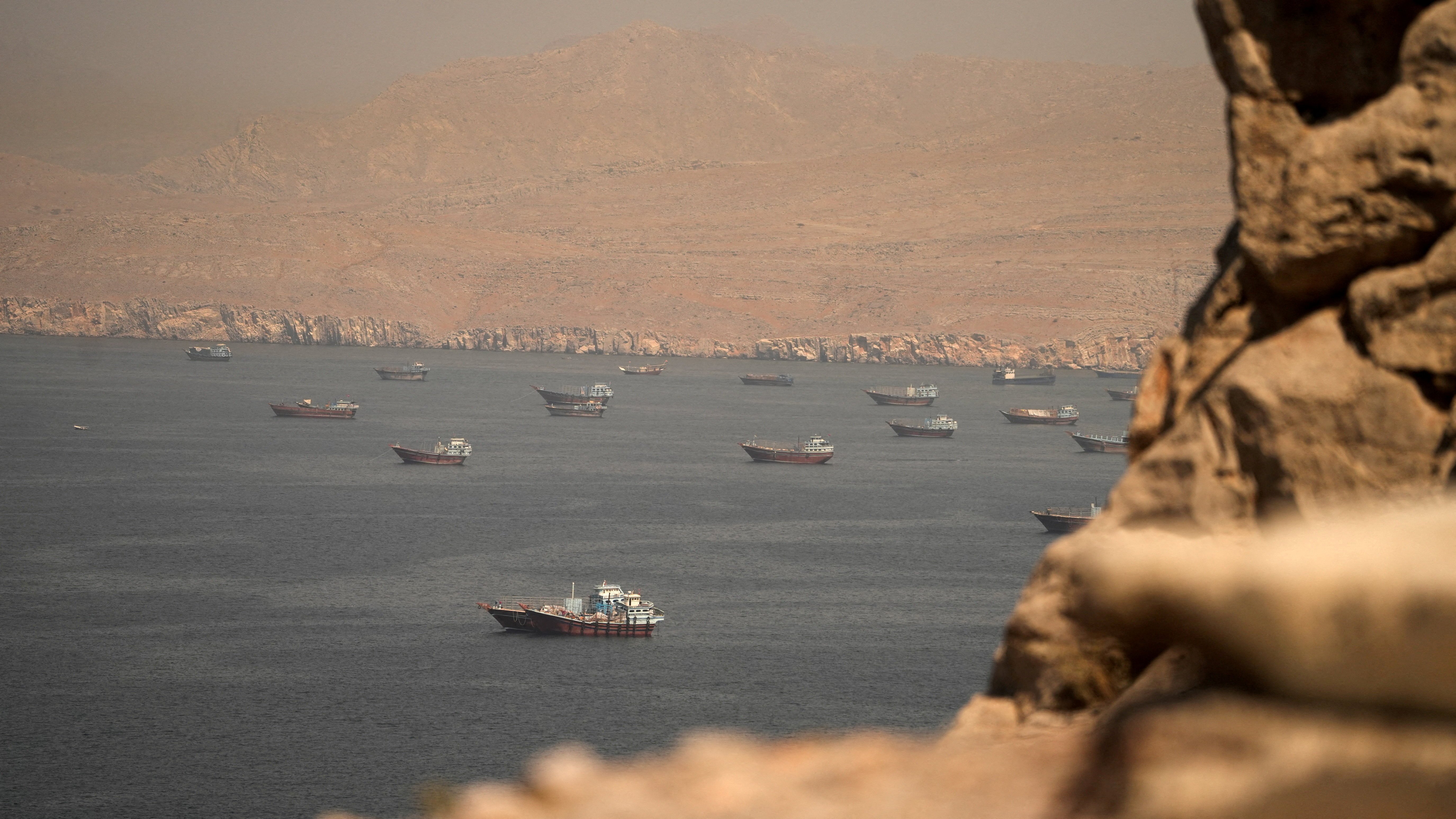
Iran’s position on Hormuz sovereignty adds a further complication to the gap between Trump’s framing and the negotiating reality. The Doha round left Hormuz formally unresolved: Iran’s parliamentary bill would bar US-linked and sanctioning-nation vessels from the strait entirely, and Iran has said it intends to “increase the prosperity of the Strait day by day,” which frames the waterway as Iranian-administered rather than internationally open. A Hormuz arrangement Washington could endorse and a Hormuz arrangement Iran’s parliament has legislated cannot coexist. Neither delegation put that contradiction to a decision in Doha.
What Iran has secured in the 15 days since the MoU was signed is not speculative: oil exports at pace, sanctions relief through August 21, $6 billion in frozen assets under review for release, a de facto naval unblockade, and a Strait of Hormuz operating under Iranian administrative control during a period when the MoU prevents Washington from challenging that control militarily. What Washington has secured is a ceasefire, reduced regional temperature, the prospect of nuclear negotiations that have not yet begun, and a president telling the press they are “moving along well.”
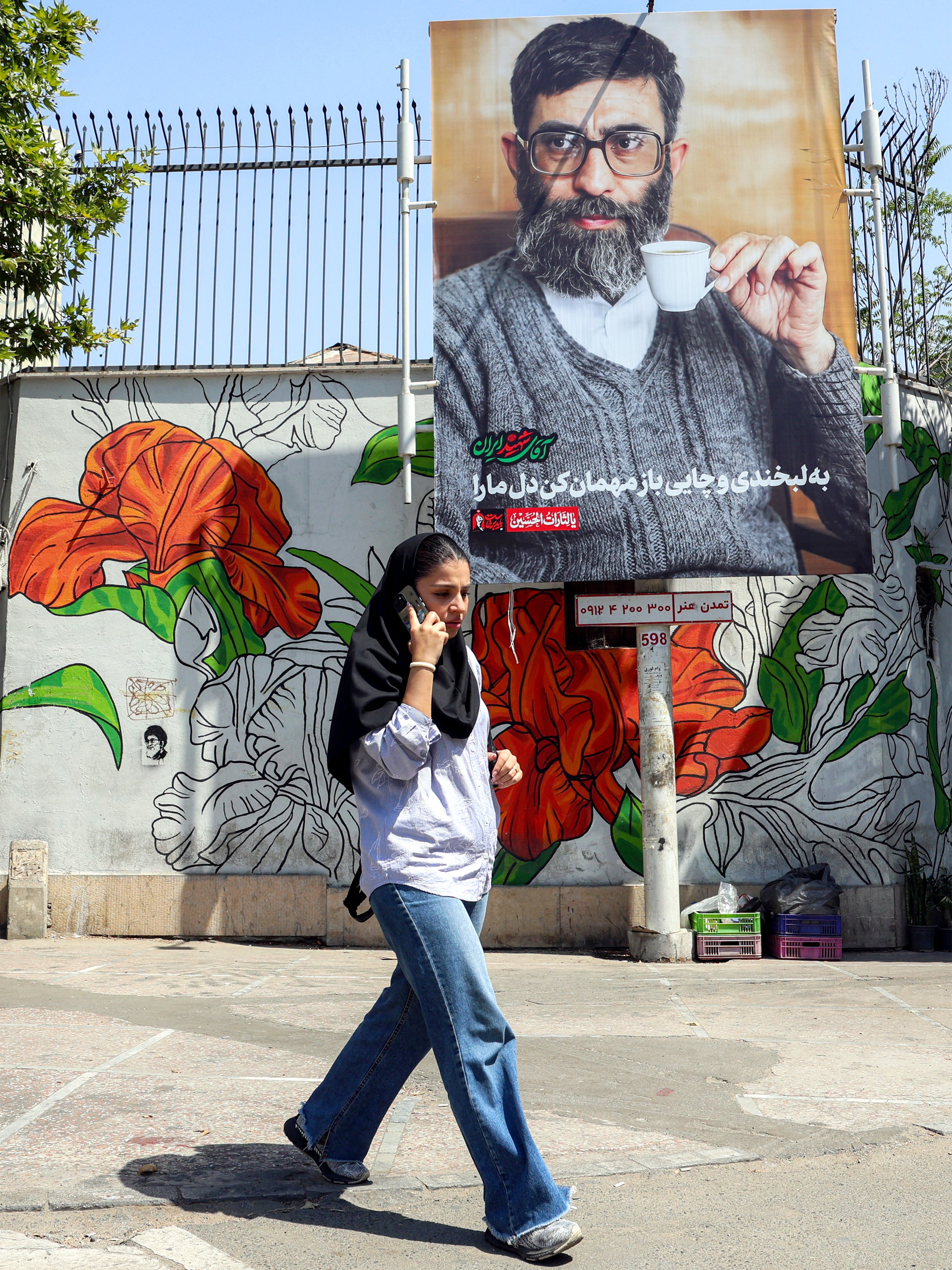
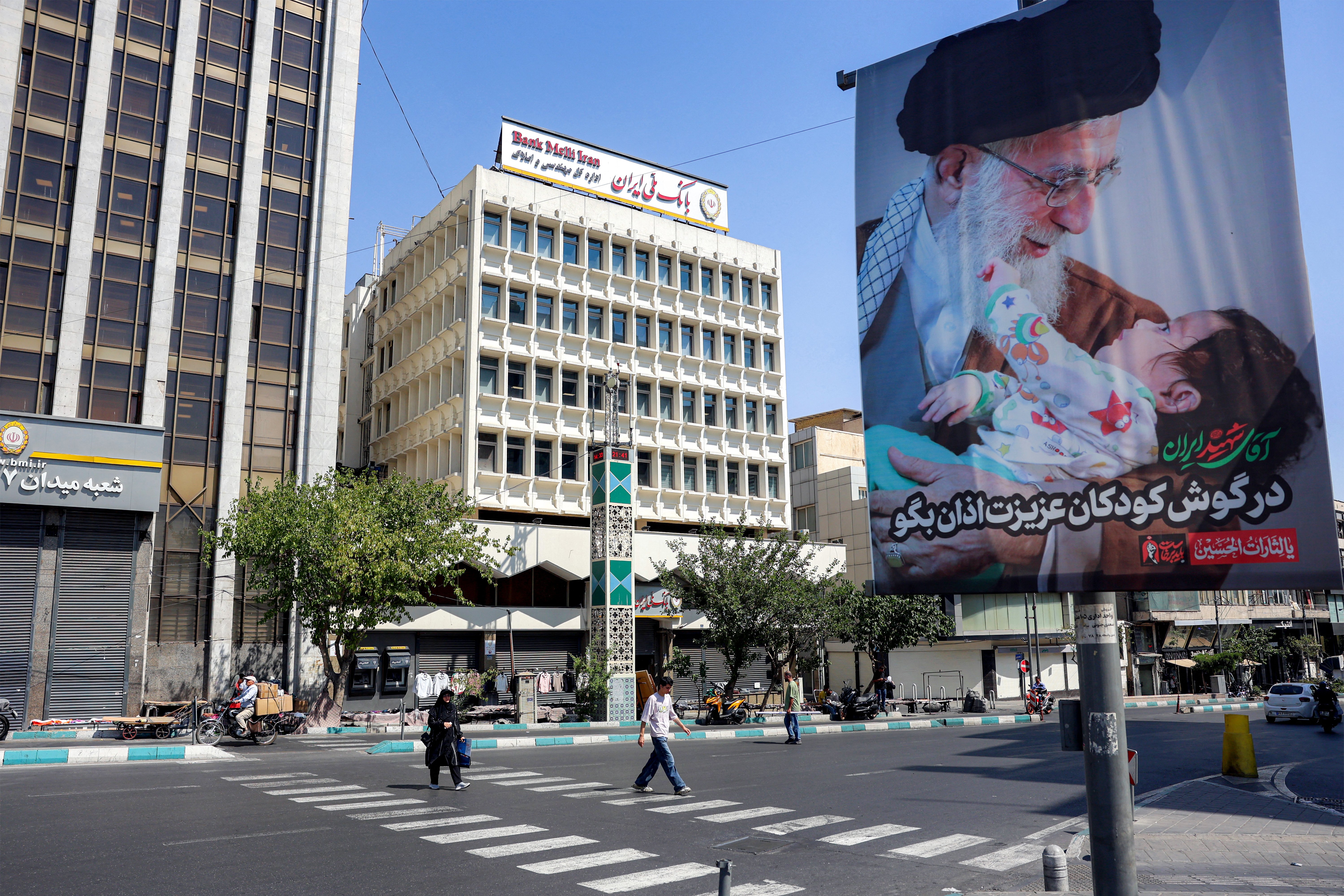
The next Doha round is contingent on a burial. Funeral processions for the late Supreme Leader Ali Khamenei begin Saturday in Tehran, moving through Qom, Najaf, and Karbala before the interment in Mashhad on July 9. No round can be scheduled until after that date. When it convenes, the agenda for nuclear discussions – what access, what enrichment level, what timeline, what verification – has still not been set. Ghalibaf has 38 days of oil exports left under current terms. Whether nuclear talks actually begin in that window is a question neither delegation answered in Doha.