
DOHA – Steve Witkoff and Jared Kushner flew to Qatar on July 1 and did not sit across from the Iranians. They met separately with Qatar’s Emir, Sheikh Tamim bin Hamad Al Thani, to work the Lebanon clause. The formal technical talks – between the American negotiating team and Iranian Deputy Foreign Minister Kazem Gharibabadi – proceeded in a different room, on a different agenda, at a different level of the Iranian government entirely.
The result is what the Doha readout describes as “positive progress” and what two simultaneous tracks not converging actually looks like. A communications hotline was agreed. Partial movement was recorded on frozen Iranian assets. The Hormuz toll question – the one the United States designated as the primary Doha agenda item – ended without agreement. The nuclear inspection file was not on the formal agenda. Forty-five days remain before the Islamabad MoU expires.
Donald Trump, speaking from Washington as the talks concluded, said “the denuclearization of Iran is moving along well.” Mohammad Bagher Ghalibaf, speaking from Tehran, said Iran would grant the IAEA “no access beyond what has been authorized by the Supreme National Security Council.” The distance between those two public statements is not rhetorical. It describes the actual state of the nuclear file. The Doha round explicitly deferred the nuclear inspection question – the IAEA access to bombed sites was not on the agenda because it has not been agreed in principle.
Qatar confirmed that Witkoff and Kushner’s presence did not result in high-level direct engagement with Iran. Their meetings were with the Qatari mediators and with the Emir – not with Iranian interlocutors. The formal technical talks were conducted through separate channels at deputy foreign minister level. Foreign Minister Abbas Araghchi and parliament speaker Ghalibaf, Iran’s senior political negotiators, were not in Doha. The United States arrived, in practice, with two delegations: a political track and a technical track that operated without intersecting.
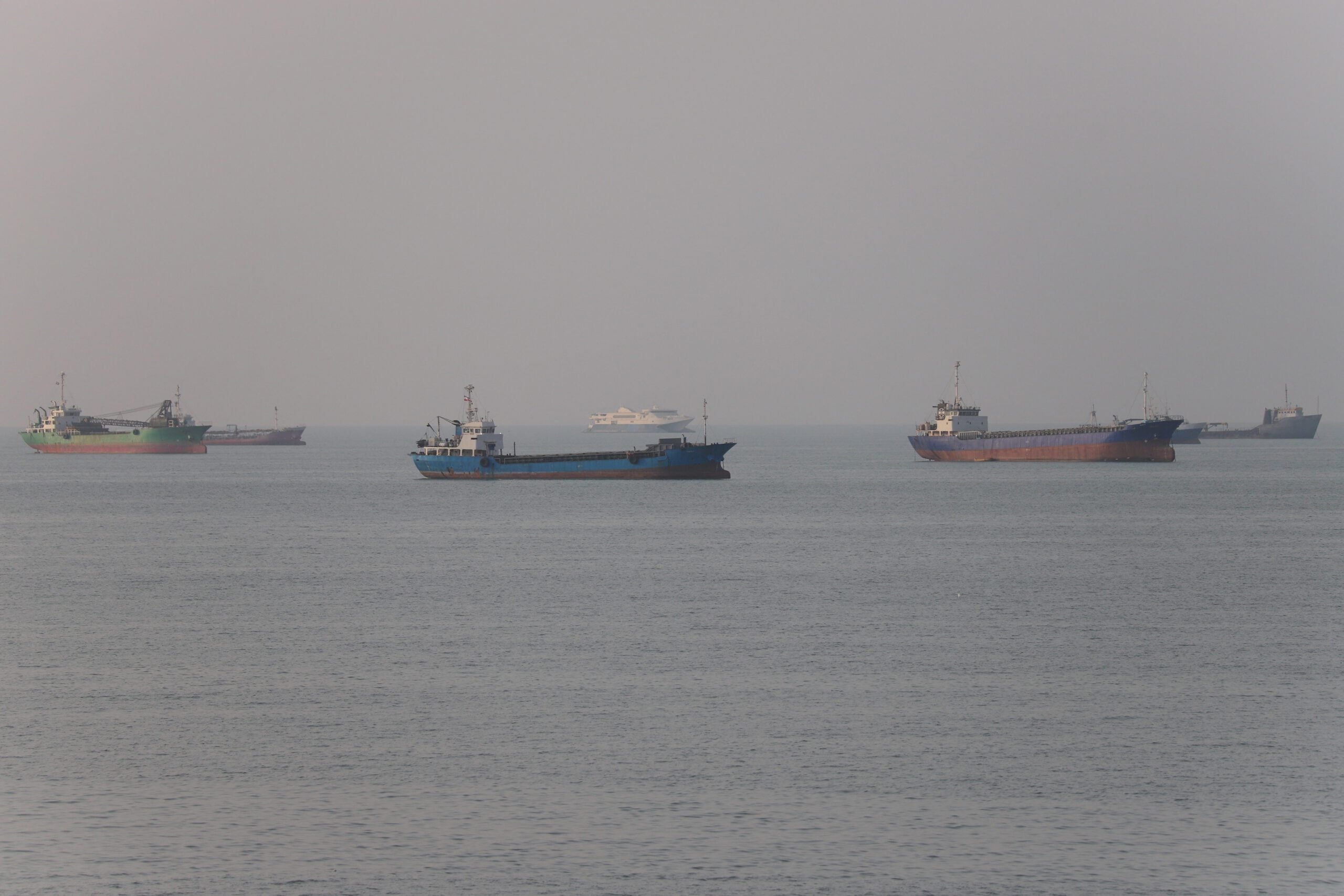
What Kushner and Witkoff were pursuing with Qatar was the Lebanon dimension – the all-fronts clause in the MoU that links the ceasefire to de-escalation across the region. Iran closed the Strait of Hormuz on June 20 citing Israeli violations of that clause. Israel has continued operations in southern Lebanon without the withdrawal the clause requires. The Lebanon file is where the political track and Iran’s most visible red lines overlap – but the political track’s Doha counterpart was Qatar’s Emir, not the Iranian delegation that holds Iran’s actual position on that clause.
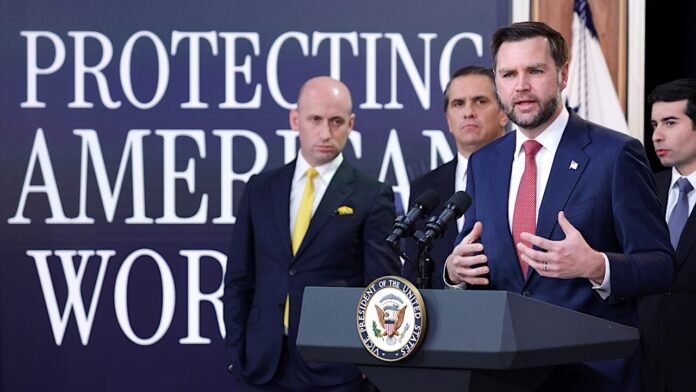
JD Vance, asked whether the United States could guarantee it would not resume strikes before the August deadline, was unambiguous: “I can’t commit to anything, because, obviously, it depends on what the Iranians are ultimately going to do.” The USS Tripoli, carrying 2,200 marines, was closing on Iranian waters during the negotiations. Military posture and diplomatic posture were running in parallel, the same way the Kushner track and the technical track were running in parallel, none of them converging on a single American position.
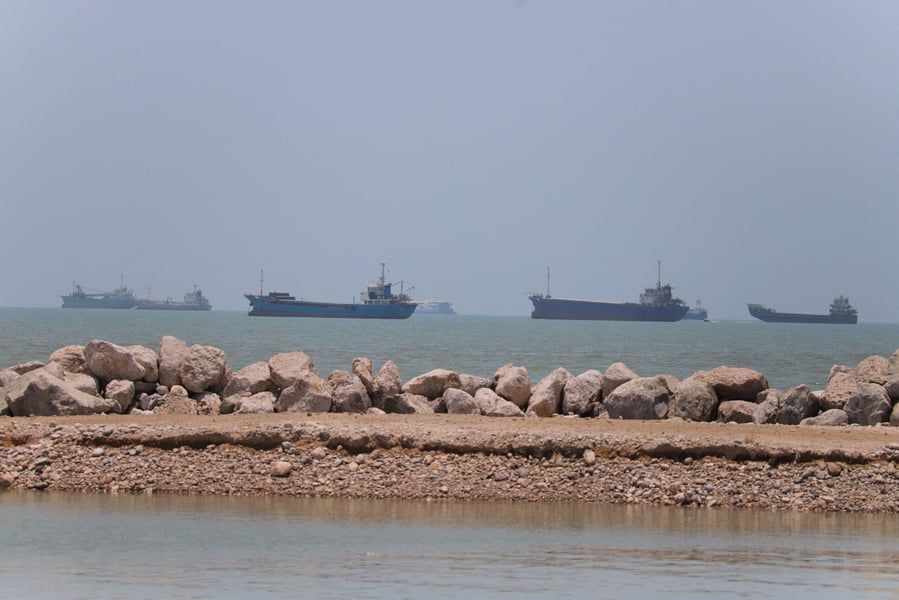
What the formal technical track produced is real but limited. The communications hotline agreed in Doha gives both governments a mechanism for reporting MoU violations without escalating to military action. On assets, Gharibabadi stated that frozen funds would be used to purchase goods “based on the needs communicated by our country” – a formulation that moves away from Trump’s earlier announcement that the assets would be used exclusively for US goods. According to Al Jazeera, part of the $6 billion in frozen Iranian assets would be released under terms Iran describes as reflecting its own procurement needs rather than American ones.
The two-track structure at Doha may reflect a deliberate division of labor – political principals working the back-channel while technical negotiators handle implementation details. It may also reflect the absence of a single authoritative American interlocutor with a clear mandate across both tracks. Qatar’s readout does not distinguish between the two. What Kushner’s meetings with the Emir produced in terms of progress on Lebanon has not been disclosed. That gap – what the political track actually achieved, separate from the formal communiqué – is what the next Doha session will need to surface.
The “denuclearization” framing is the liability that could collapse the framework fastest. The term does not appear in the 14-point Islamabad MoU. It describes a US goal that Iran’s political establishment, across factional lines, has explicitly rejected as a precondition for any agreement. If Trump’s characterization of “denuclearization moving along well” reflects his actual read of what Doha produced – rather than optimistic messaging for domestic consumption – the distance between his expectations and the Iranian position the technical team is actually negotiating against will surface at the next round. Forty-five days remain to find out whether there is a deal between what Washington thinks it is getting and what Tehran has agreed to give.