
AUSTIN, Texas – Tesla Inc. reported its strongest second-quarter delivery performance on record Wednesday, then watched its stock fall seven percent by the close of trading.
Those two facts, arriving the same afternoon, contain the entire Tesla investment thesis in 2026.
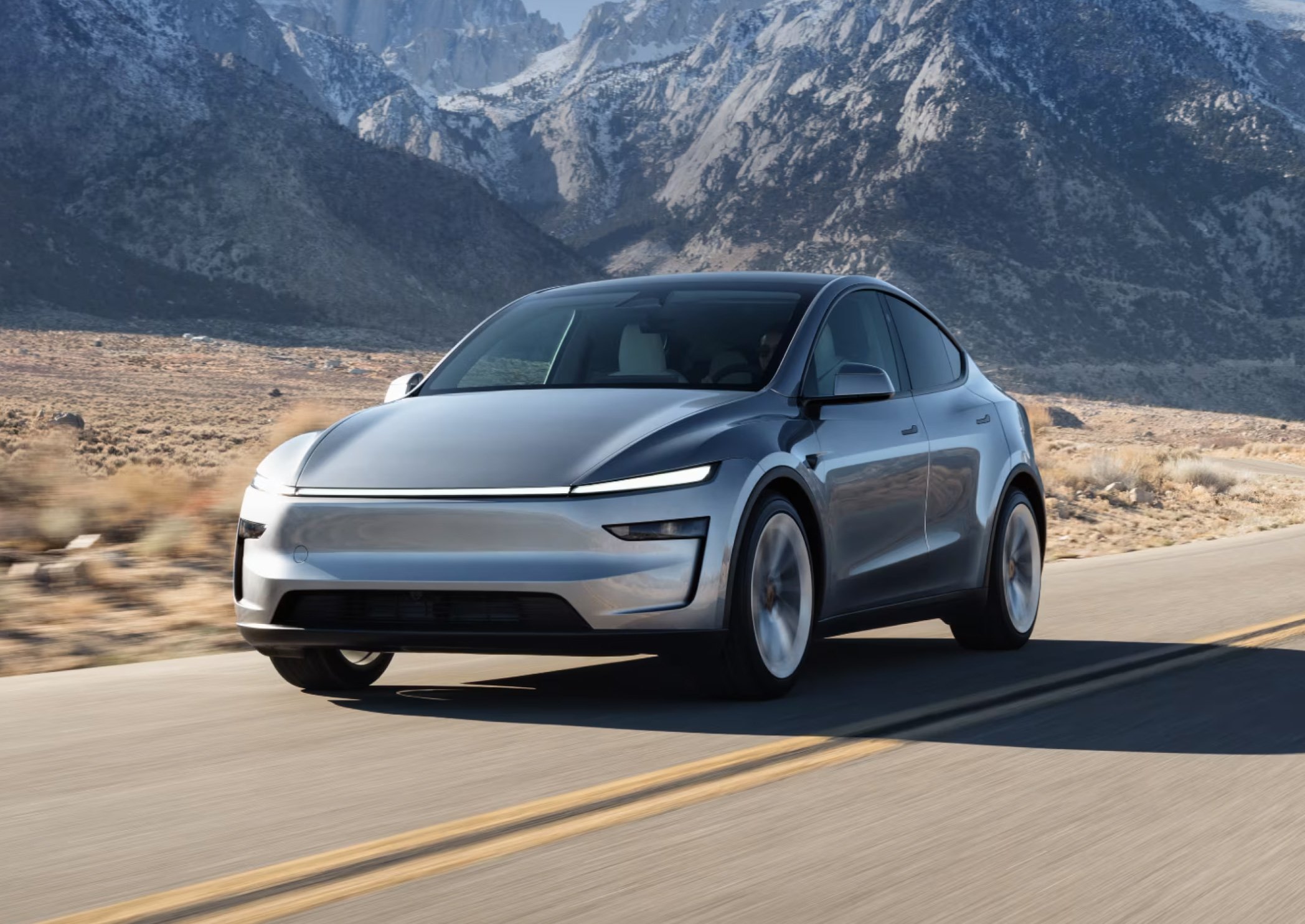
The company delivered 467,762 vehicles in the second quarter, TechCrunch reported, its best Q2 by raw delivery totals in the company’s history and its most productive quarter since Q3 2025. Production came in at 451,758 vehicles, with the Model 3 and Model Y accounting for 442,936 units built, the remainder distributed across the Cybertruck, Model S, and Model X. Tesla attributed the quarterly performance to geographic expansion and to lower-cost versions of its core lineup.
The phrase “lower-cost versions” is where the sell-off begins.
Quarterly delivery numbers, released independently of financial data, tell a market how many vehicles a company sold. They do not tell it what the company made on each. At least one analyst examining the Q2 figures described the beat as reliant on inventory drawdown, a reading suggesting that some portion of the delivery jump reflected clearing stock built up in prior quarters rather than new consumer demand. Others attributed the decline to margin uncertainty. At Tesla’s current valuation, a delivery beat achieved through price reductions carries different implications than one achieved through demand expansion, and investors appear to have made that distinction by Wednesday’s close.
Tesla has reduced prices repeatedly since 2022, responding to slowing EV adoption and intensifying competition from BYD Co., which surpassed Tesla in quarterly sales volumes in late 2023 and has not relinquished that position. The strategy has driven volume. Q2 2026 confirms it unambiguously. But each round of reductions compresses the per-vehicle revenue that feeds operating margin. Whether Q2’s delivery record came at an acceptable cost is a question the delivery report cannot answer. Tesla’s earnings call will.
The production and delivery totals carry a signal of their own. Tesla produced 451,758 vehicles in Q2 and delivered 467,762, meaning the company drew down roughly 16,000 vehicles from existing inventory to reach its delivery target. A growing company typically ships more from current production than from stock; the inverse pattern is not alarming at this scale but is consistent with the inventory-drawdown concern analysts flagged. The question the pattern raises is whether the draw-down reflects tactical inventory management or a demand picture that required it.
The Cybertruck’s presence in the delivery mix sits at the center of the margin question. Tesla introduced a more accessible Cybertruck trim as part of its lower-cost lineup strategy, adding the truck to the “other models” category alongside the Model S and X in its production disclosures. The Cybertruck requires more material and more manufacturing complexity than the Model 3 or Y. How the truck’s unit economics are performing, whether the lower-cost trim generates acceptable returns or whether it was priced to clear production, is one of the specific margin questions the earnings call will need to address.
Geographic expansion, the other cited growth driver, raises its own questions without answering them. Tesla has moved into markets where BYD has less distribution presence, which buys time before Chinese manufacturers solidify their own international networks. In Europe, where Tesla has relied on exports to support volume, BYD and incumbent European manufacturers are competing on both price and range. The geographic diversity of Q2’s delivery numbers is real. Whether those markets remain financially defensible at the margins Tesla requires is not something the delivery report can confirm.
The broader technology sector is navigating similar disconnects between operational scale and investor confidence. Microsoft’s $2.5 billion Frontier Company launch on the same day and OpenAI’s proposed equity stake for a US sovereign wealth fund both involve headline figures deployed while the underlying financial cases remain unfinished. The pattern is consistent across the largest companies in the US technology economy: the headline is verifiable, the thesis is not yet, and the market is pricing the gap.
What the EV market is no longer doing is rewarding volume alone. In the early adoption phase, Tesla’s delivery totals were the primary competitive signal because the market was small and growing fast. The Q2 2026 delivery record is a genuine operational achievement. But the EV market has matured into something closer to a conventional auto market, where the question is not whether a company can produce and sell cars but whether it can do so at margins that justify its valuation. On that question, Tesla is asking investors to wait for earnings.
The stock’s seven-percent answer on Wednesday was the market’s advance estimate of what those earnings will say. That estimate may prove wrong. The number that will actually settle the argument, Tesla’s Q2 profit margin, does not yet exist in any public document.
Related Posts