
NEW YORK — Super Micro Computer shares jumped as much as 15% Tuesday after the company issued preliminary results showing a record $60 billion order backlog and gross margins that nearly doubled in its fiscal fourth quarter, a signal that the maker of AI server racks has emerged from a damaging accounting controversy to become a dominant supplier in the build-out of artificial intelligence infrastructure.
The San Jose-based company said backlog reached $60 billion for the first time in its history. Gross margins, which had been under pressure for much of fiscal 2025, roughly doubled from the prior quarter in what executives attributed to a shift in product mix toward higher-margin liquid-cooled rack systems built for dense AI workloads. Full fourth-quarter and full-year results would follow within weeks, the company said, subject to audit review.
Among the orders is a contract to supply SpaceX with liquid-cooled AI server racks for use in Elon Musk’s xAI supercluster, which runs the Grok family of large language models. Bloomberg reported the SpaceX deal in late June; that it now appears in a confirmed backlog provided additional evidence of an operational turnaround, two years after a short-seller report nearly destroyed the company’s credibility.
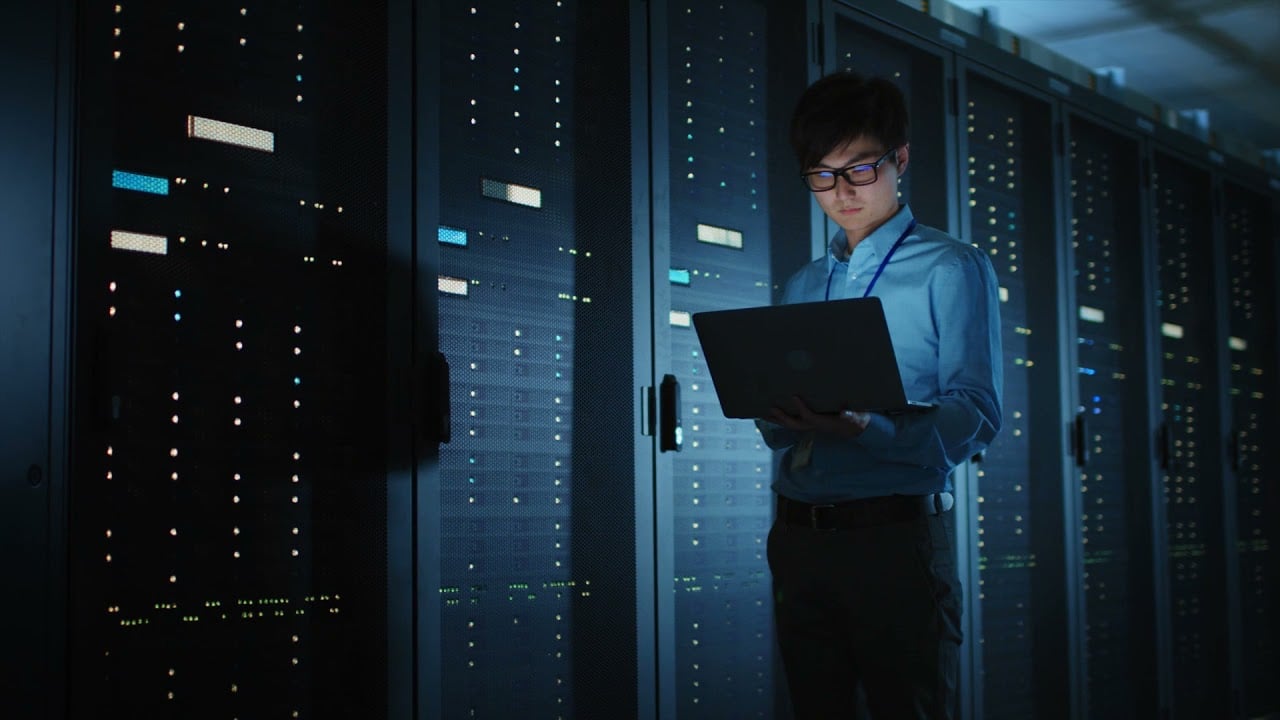
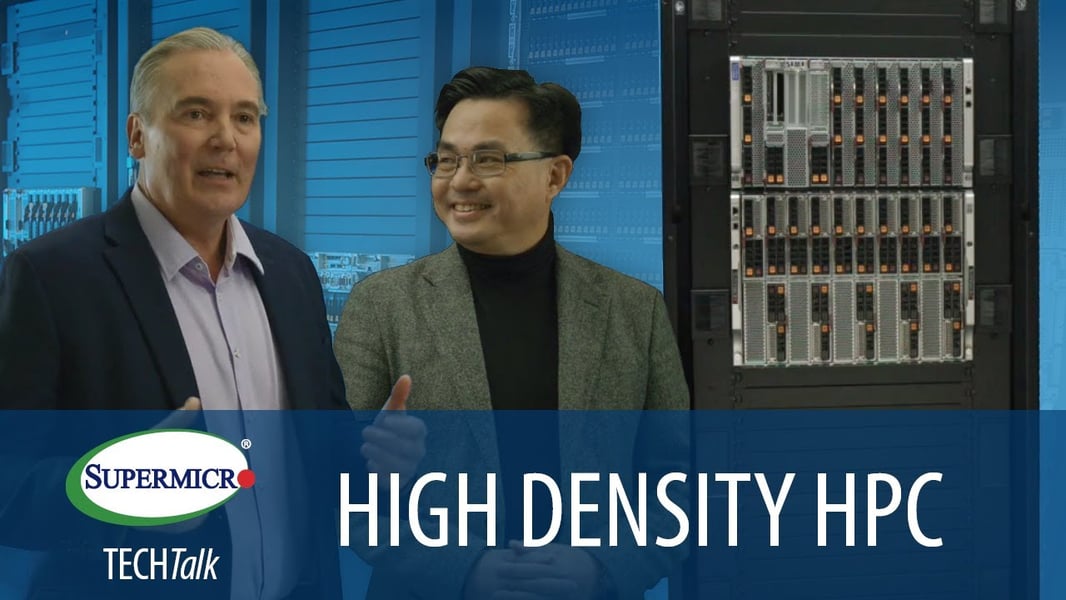
The scale of the backlog reflects demand for Nvidia’s GB200 and GB300 NVL server rack configurations, which require dense liquid-cooling systems Supermicro has spent years engineering. Few rivals have matched its lead. The ability to ship liquid-cooled systems faster than Dell or HPE has become Supermicro’s primary differentiator as hyperscale data-center operators race to deploy the latest Nvidia silicon for training and inference.
The move carried through to sector peers. Dell Technologies gained 4.2% and Hewlett Packard Enterprise climbed 3.1%, as investors treated the Supermicro figures as a read on the broader AI server market. Both companies compete for Nvidia NVL contracts, but neither has disclosed a backlog at a comparable scale.
The disclosure comes as Supermicro works to put a bruising accounting controversy behind it. In August 2024, short-seller Hindenburg Research published a report alleging irregularities, and auditor Ernst and Young resigned months later. Supermicro hired BDO as its replacement auditor, disclosed it would restate certain prior-period results, and came within weeks of a Nasdaq delisting before filing the required documents in early 2025.
Some sell-side analysts urged restraint after Tuesday’s surge. Gross margins and order backlogs are headline metrics that can obscure shifts in revenue-recognition timing, order cancellations, or deferred shipments. Supermicro did not disclose revenue or earnings-per-share figures in the preliminary release, and given the company’s history of restatements, caution until audited figures arrive is warranted.
Demand for AI server infrastructure has been a recurring theme in corporate disclosures this quarter. The AI chip investment surge underscored by AMD’s $5 billion commitment to Anthropic last week reflects the same hardware buildout filling Supermicro’s order book. Capacity constraints at competing server makers have positioned Supermicro as the path-of-least-resistance supplier for customers requiring rapid deployment at scale.
Chief Executive Charles Liang, who founded the company in 1993, has repeatedly cited liquid-cooling expertise as Supermicro’s long-term moat against Dell and HPE, arguing that the shift toward rack systems with higher per-unit value would sustain gross margin recovery through fiscal 2027. Tuesday’s preliminary release offered the first evidence that the thesis is holding.
Supermicro’s stock was trading at roughly $35 before Tuesday’s surge, still well below its early-2024 highs above $110 set before the Hindenburg report triggered the selloff. At around $40 after Tuesday’s move, the company’s market capitalization recovered to roughly $24 billion, though that remains far below the $68 billion peak it reached when AI enthusiasm first lifted server stocks.
The SMCI ticker now joins a cluster of AI infrastructure stocks that have recovered or exceeded pre-correction highs as hyperscalers signal aggressive capital spending through fiscal 2028. Combined guidance from Microsoft, Amazon, and Alphabet across their most recent earnings pointed to more than $400 billion in data-center investment over the next three years. As AI systems grow capable of increasingly autonomous operations, the inference and training requirements for frontier models sustain demand for exactly the liquid-cooled rack systems Supermicro manufactures.
What the preliminary results do not answer is whether the margin improvement will hold once audited figures arrive. Supermicro’s history of restated financials has made analysts cautious about treating any single-quarter margin figure as durable, and the official results will face heightened scrutiny given that track record. Until the audit closes, Tuesday’s 15% surge reflects a market that responded to a headline before verifying the details behind it.