
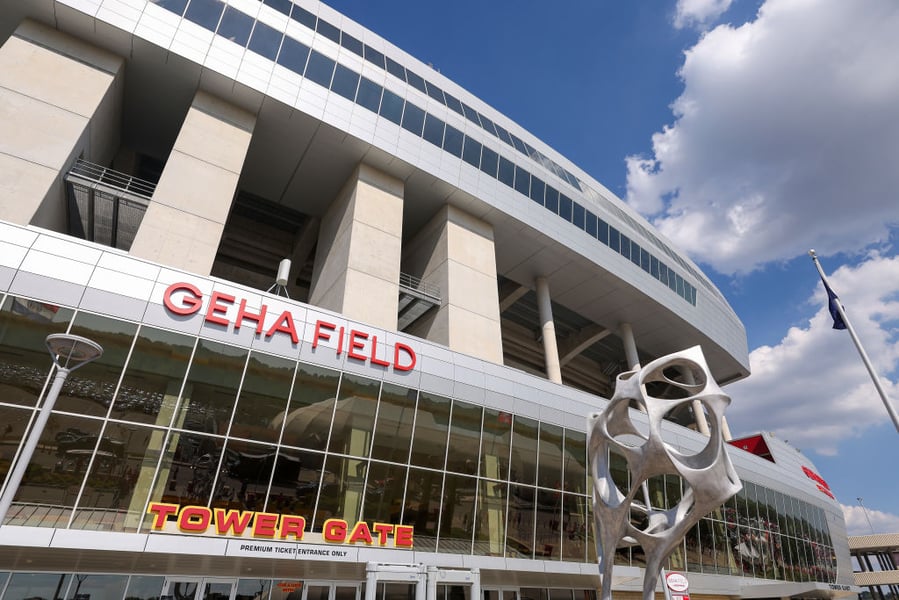
WASHINGTON — The posted limit for Beyoncé’s October 1, 2023, show at Arrowhead Stadium in Kansas City was between four and eight tickets a buyer. A San Diego broker got around it with at least 1,300 Ticketmaster accounts and bought 7,624 tickets, the U.S. government alleged Thursday in a federal complaint, making roughly $833,323 in profit on the resale.
The defendants are REPS & Company, its chief executive Ryan Pancheri, its president Brian Archibald and its chief operating officer Nicholas Totagrande. The Federal Trade Commission voted 2-0 to refer the case, and it was filed in the Southern District of California under the Better Online Ticket Sales Act, known as the BOTS Act, and the FTC Act. The Justice Department’s release calls the claims “allegations only” and says there has been “no determination of liability.”
Beyoncé is one example. The complaint says that from January 2022 through October 2025 REPS bought more than eight tickets for at least 83,000 events, spending over $1.3 billion on more than 18.5 million tickets, and cleared at least $120.8 million by reselling them on StubHub, Vivid Seats, SeatGeek and other marketplaces. The filing does not explain how the profit figure was calculated, and it gives the event count as 83,000 in one paragraph and 83,500 in another.
The FTC said in its announcement that REPS’ “entire business model is focused on trying to game the ticket-purchasing system,” a line from Christopher Mufarrige, director of the agency’s Bureau of Consumer Protection. Brett A. Shumate, who heads the Department of Justice Civil Division, said the department would “continue to enforce the BOTS Act.”
How the government says it worked is the more telling part. According to the complaint, REPS signed “power of attorney” agreements with employees and partners so it could open ticketing accounts in their names, averaging 19 accounts per person and as many as 40 for one individual. It then paired those accounts with virtual credit cards, banks of SIM cards, rotating IP proxies and multi-session browsers, and used purchasers who were mostly based in the Philippines.
When a site threw a “limit error,” the complaint says, staff changed the spelling of an address and tried again. In March 2024, one employee told Totagrande that they had “slightly modified the address, and they were successful in purchasing.” The company also kept what it called an “Error Bible,” a running log of Ticketmaster error codes and the workarounds for them.
The Pitbull example is blunter. For a September 7, 2024, show at the Empower FCU Amphitheater, the complaint says REPS used at least 700 accounts to buy 5,430 tickets in a venue it puts at about 17,500 people, earning roughly $120,109. It also alleges the defendants knew the law. Archibald signed a 2022 audit questionnaire that listed the BOTS Act as applicable to the company, and REPS learned in July 2025 of the FTC’s investigation of another broker, Key Investment Group, and that September of its case against Live Nation and its subsidiary Ticketmaster, yet allegedly carried on.
That last case is where the tension sits. The REPS complaint treats Ticketmaster and AXS as issuers whose purchase rules and security controls were defeated, and it quotes a Ticketmaster policy that each account be “linked to a unique individual.” The FTC is also suing Ticketmaster’s parent, and the complaint itself notes that suit alleges Ticketmaster violated the same law. The Hollywood Reporter reported that it accuses Live Nation of coordinating with brokers to get them tickets before regular customers can, and that REPS did not immediately respond to its request for comment. TEH found no public statement from REPS either.

What the earlier cases produced is a useful yardstick. The FTC sued Key Investment Group in Maryland in August 2025, alleging it bought at least 379,776 Ticketmaster tickets for nearly $57 million, including 273 for one Taylor Swift show on 49 accounts. In July 2026, Elite Events faced a stipulated order in Georgia carrying more than $10.7 million in civil penalties, of which $300,000 is payable because of the defendants’ stated inability to pay the full amount. The Hollywood Reporter noted that President Donald Trump signed an executive order last year calling for stronger enforcement of the BOTS Act.
Neither agency’s announcement says what penalty it will seek against REPS, and the complaint counts more than 3.1 million separate purchase transactions.