
WASHINGTON — Anyone who paid $99.99 for the All-Star Edition of NBA 2K25 has until December 31 before the game’s online servers go dark, only two years after release. According to an announcement from Rep. Ritchie Torres, the game comes off digital stores on October 30.
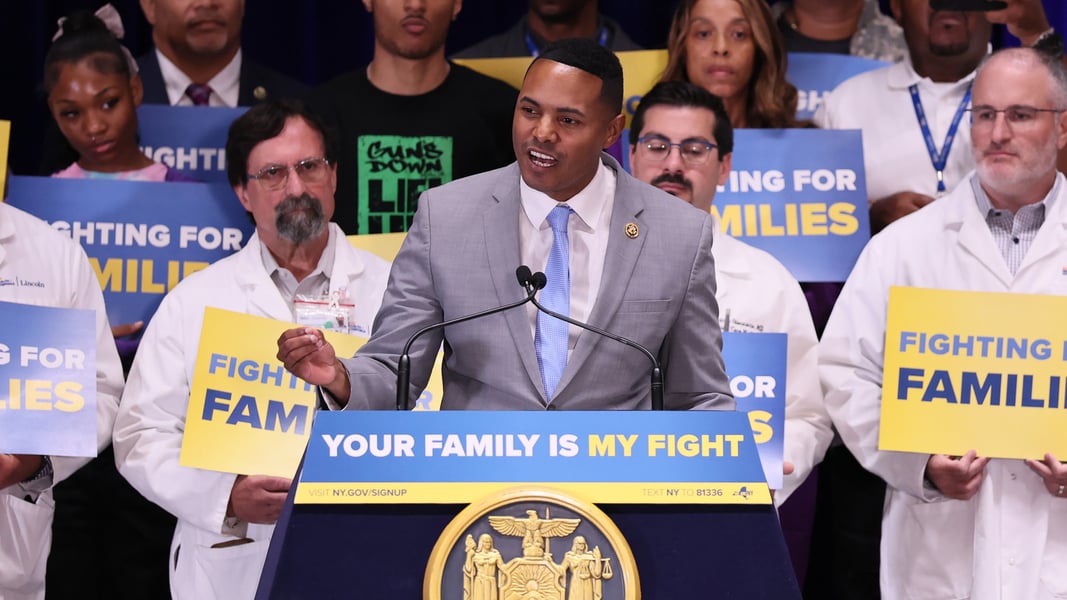
On Thursday the New York Democrat said he will introduce the Power To The Players Act, which would direct the Federal Trade Commission to write rules so that buying a video game gives the buyer ownership rather than a license to play. Games with online features would have to offer an offline mode before the servers behind them are switched off. It lands as Sony argues, in a California class action over digital game ownership, that reasonable consumers already know a digital purchase is a license, not ownership.
Torres built his case on NBA 2K25, which his office says retailed for $69.99 in its standard edition. A game that can be taken away the moment a company pulls the plug “is not a purchase,” he said, but “a rental disguised as a sale.” Families “in the Bronx and across the country” save up for these games, he added, and “deserve better than a license that can vanish at any time.”
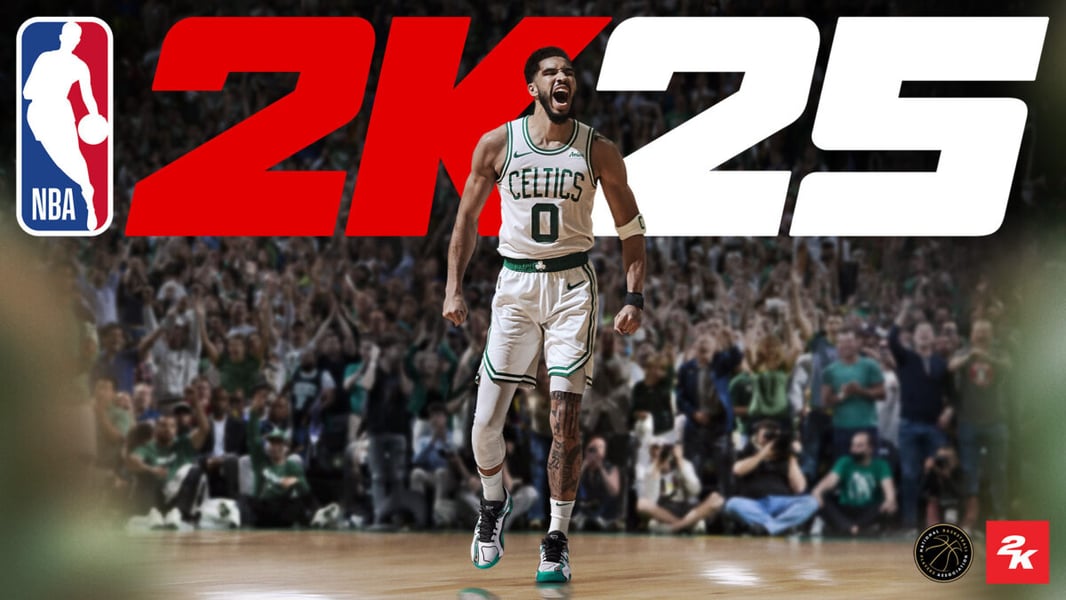
Whether the FTC can deliver that is the harder question. The announcement on Torres’s House website carries no bill number or text, and Engadget reported that the bill has not yet been introduced. Engadget also noted that the Supreme Court’s 2024 decision overturning Chevron deference weakened the agency’s rulemaking power, and that a judge has blocked its noncompete ban. The outlet said it had asked Torres for a draft and for comment on that legal risk.
State lawmakers tried a narrower version and stalled. California’s AB 1921, the Protect Our Games Act, would have required 60 days’ notice before a publisher delists a game, with instructions on how to get a refund or keep playing. Engadget reported on June 30 that it passed the Assembly 43-16 but failed in a Senate committee, with four votes in favor, three against and four abstentions. “Not enough yeses means the bill stops here for this session,” a Stop Killing Games volunteer said. The committee granted reconsideration, so the bill could technically return.
Europe’s attempt fared little better. The Stop Destroying Videogames initiative, submitted in January with 1,294,188 verified statements of support, asked the European Commission to require that games stay playable after publishers stop supporting them. In its June 16 reply, the Commission wrote that “at this stage it cannot propose a legal obligation to keep video games playable after they stop being provided commercially.” It promised talks with industry and consumer groups by the end of 2026 and pointed to existing consumer law, under which buyers may be entitled to a proportionate refund.
The ownership argument sharpens as the industry leaves physical media behind. Sony Interactive Entertainment said on July 1 that it will end physical PlayStation game discs for new releases from January 2028, after which new titles will be sold only digitally.
Much of the substance is still missing. Torres’s release says the servers close on December 31, while Engadget wrote only that they close in December, and 2K’s own notice could not be read for this report. The release carries no response from 2K, names no cosponsors and does not say what an “offline mode” would demand of a game whose modes depend on a publisher’s servers: one playable mode, or the whole game? The shutdown has a date. The bill does not, and nothing in the announcement says what it would do for the people who already bought NBA 2K25.