
SAN MATEO — Three weeks ago, players who paid $80 for what Rockstar billed as the “physical” edition of Grand Theft Auto VI ripped open the box to find a plastic card and a download code, no disc anywhere inside. On Wednesday, Sony made clear that moment was not a glitch in one publisher’s packaging plan. It was a preview.
Sony Interactive Entertainment announced it will stop manufacturing physical discs for any new PlayStation game starting January 2028, ending a three-decade run of console gaming built around a piece of plastic a player could hold, resell, lend to a friend, or lock in a drawer. The company frames the cutoff as a simple response to where its customers already are. What it does not address is what happens to the millions of PS5 consoles sold specifically because they still have a disc drive.
Sid Shuman, the company’s senior director of content communications, said in the announcement that physical disc production “for all new games releasing on PlayStation consoles will be discontinued starting January 2028,” while games already on shelves, or still arriving on disc before that date, are unaffected. Sony described the move as simply tracking its own numbers: in its most recent fiscal year, digital downloads accounted for 85 percent of full-game software sales on PS4 and PS5, against 15 percent for physical copies, according to TechCrunch, which reviewed the company’s disclosures.
That 85-15 split has already reshaped a company that used to live or die on new-game sales. GameStop has closed more than 1,300 stores over the past two fiscal years as digital purchasing has taken over, even as the retailer posted its most profitable quarter on record by leaning into everything except new game sales, from trading cards to a bitcoin treasury.
Sony’s own announcement, posted to the PlayStation Blog, does not say what becomes of the disc drive itself. The company still sells a PS5 with an optical drive attachment, marketed directly at people who want to keep buying physical media or trade in used games, and neither that post nor the coverage of it addressed whether the hardware survives past 2028 with nothing new to put inside it. The used-game market, which depends entirely on a physical object changing hands, went unmentioned too.
This is not Sony’s first fight over what “owning” a PlayStation game actually means. In April, the company faced backlash after gamers discovered that PS5 consoles were quietly phoning home every 30 days to verify game licenses, even for titles played entirely offline, a policy critics said turned a purchase into a subscription with the word taken off the label. The disc cutoff makes the same argument from a different angle: without a physical copy to resell, lend, or play on a console with no internet connection at all, a PlayStation game becomes, permanently, whatever Sony’s servers say it is on a given day.
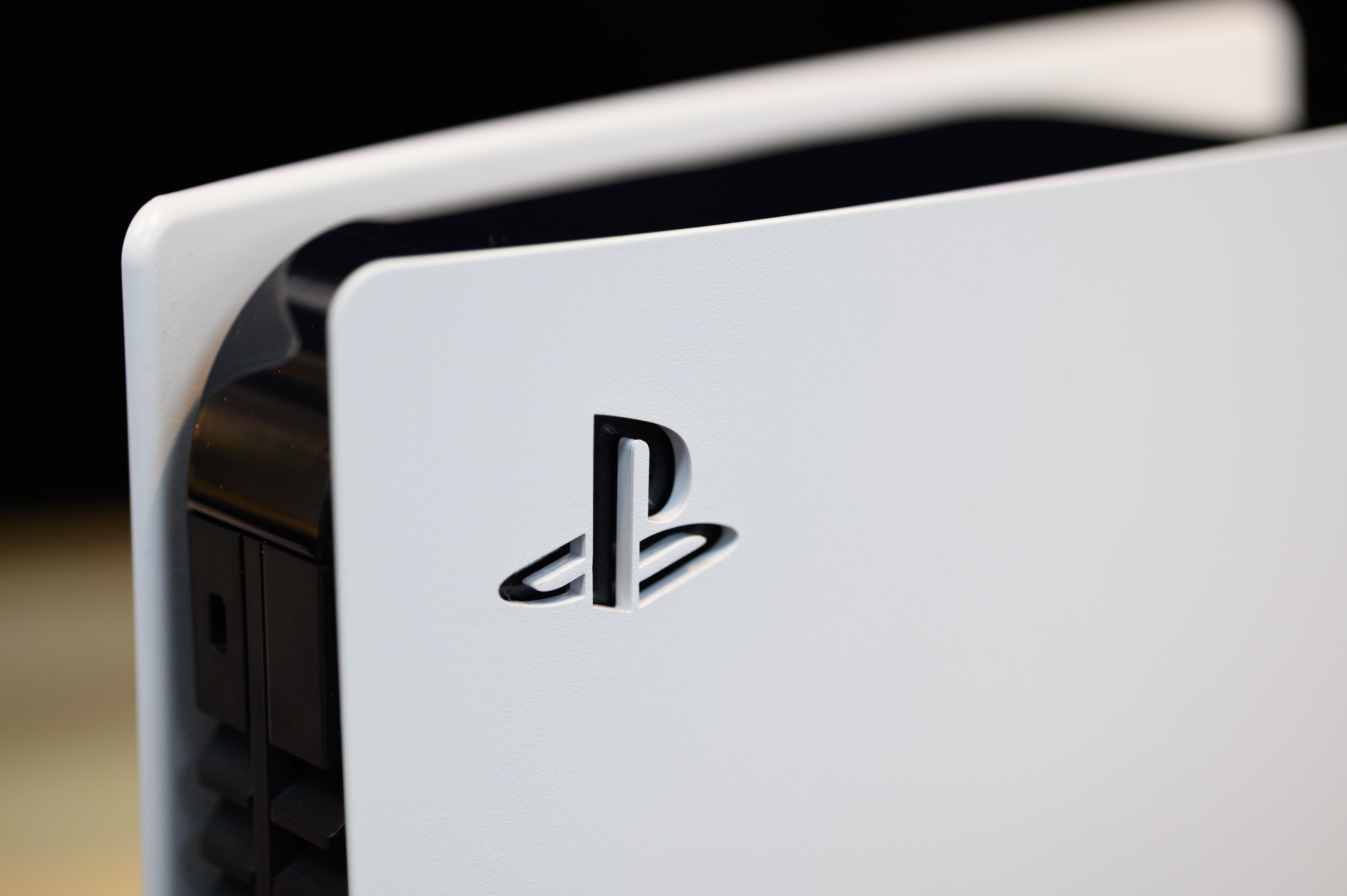
Rockstar’s decision three weeks earlier to sell an $80 “physical” edition of GTA VI that contained no disc drew immediate blowback from retailers, some of whom said they would not stock or promote it. Sony’s announcement retroactively explains the timing. If new discs are disappearing industry-wide within eighteen months, a publisher betting its highest-grossing release in a decade has little reason to manufacture millions of physical copies it expects to be obsolete before the console generation ends.
Sony paired the disc news with a second, quieter announcement: the PlayStation Store on PS3 and PS Vita, consoles from the previous two hardware generations, will also close, though content already purchased on those accounts will remain downloadable. Read together, the two moves point the same direction. The company is not simply discontinuing a manufacturing line; it is retiring the idea that a PlayStation purchase, whether a disc bought in 2011 or a download code redeemed in 2028, is something a player fully controls once the transaction clears.
TechCrunch’s writeup of the announcement included no response from Microsoft or Nintendo, both of which still sell physical discs and cartridges alongside digital versions of their own. Whether either company follows Sony’s timeline, or lets PlayStation absorb the backlash first, is not yet answered by anyone involved.
Sony’s own math says only 15 percent of its customers still buy discs, a share small enough that the company can frame Wednesday’s decision as consumer-driven rather than corporate. For the collectors who spent three weeks arguing over an empty Grand Theft Auto box, that 15 percent was never really the point.