
LONDON — Six months ago Thames Valley Police arrested Andrew Mountbatten-Windsor on his birthday, held him for eleven hours and released him under investigation. He has not been charged since. He has not been cleared either. That gap, rather than any fresh allegation, is what has pushed a group of Jeffrey Epstein’s British victims toward Downing Street.
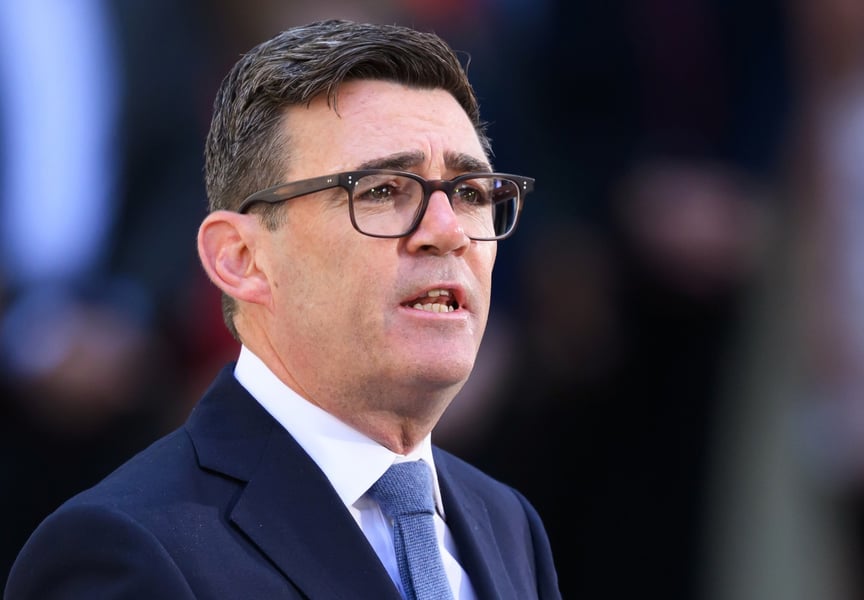
Members of the UK Epstein Survivors Campaign, a group of close to a dozen victims that includes the campaigner Lisa Phillips, will meet Prime Minister Andy Burnham within the coming month and intend to use it to press for a public inquiry into Andrew’s dealings with Epstein, The Telegraph reported on Saturday. The campaign describes its aim as restoring truth and justice, a phrase that carries a particular weight in a case where the criminal process has so far produced neither.
A public inquiry is the instrument people reach for when the ordinary machinery stops producing. Britain’s has largely stopped. There were two arrests in February, two releases, no charges in the six months since, and a government that spent the first week of August contradicting itself in public about whether an inquiry was under consideration at all.
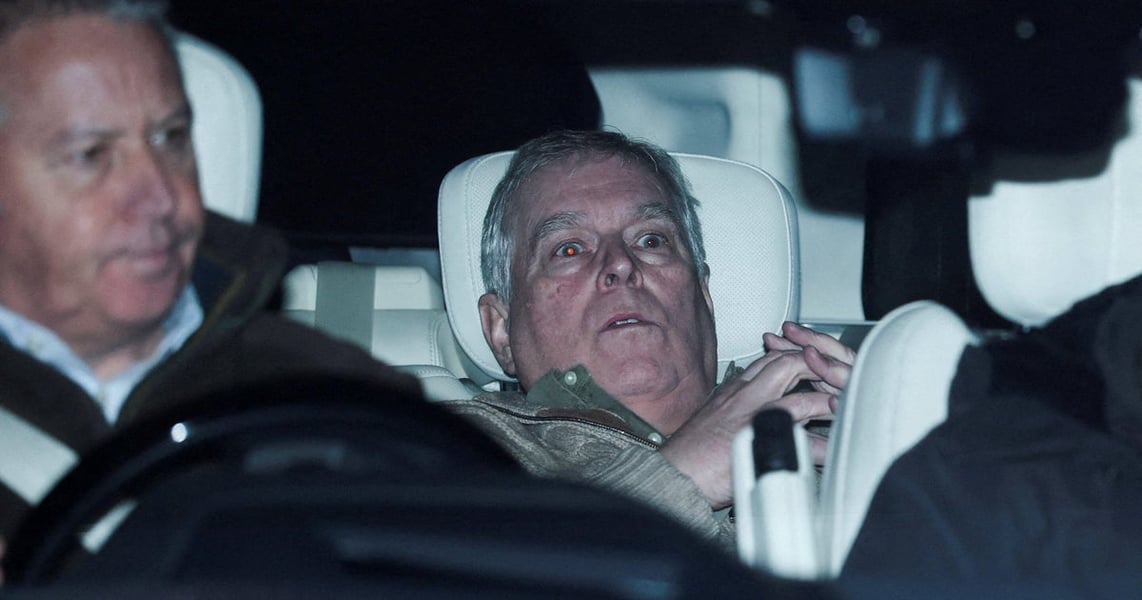
Andrew was detained on February 19 on suspicion of misconduct in public office, an offence that carries a maximum sentence of life imprisonment. Thames Valley Police confirmed at the time only that a man in his sixties was in custody. The suspicion, drawn from documents released in the United States, was that he had passed confidential government material to Epstein. He was released after eleven hours under investigation, a status that in English law means precisely what it sounds like: neither charged nor exonerated, and no deadline by which either must happen. He has consistently denied wrongdoing. In June the force widened the investigation to take in sexual misconduct allegations, and it has announced nothing since.
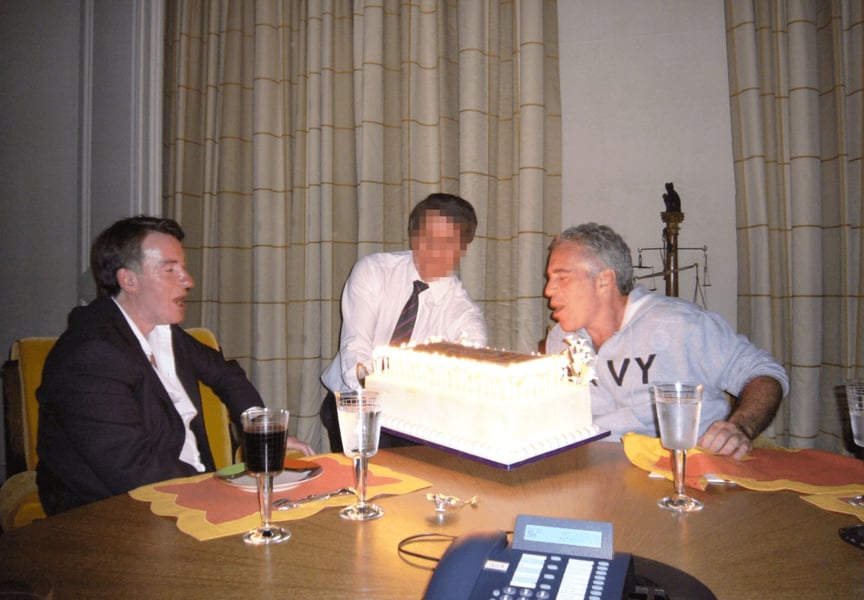
Peter Mandelson was arrested four days after Andrew, on suspicion of a similar offence, and released on bail. The allegation against him concerns market-sensitive information said to have reached Epstein while Mandelson was business secretary. He had already lost the Washington embassy the previous September, when Keir Starmer dismissed him after the publication of emails showing he had maintained the friendship after Epstein’s 2008 conviction for a sex offence involving a minor.
Parliament got there first. An early day motion headed “Public inquiry into Epstein links” was tabled on February 5, before either arrest, and has attracted 95 signatures across parties. Early day motions rarely become law and are often dismissed as parliamentary graffiti, but 95 names is a usable number, and it establishes that the demand did not originate with the survivors’ meeting or with Burnham’s premiership.
Most of what Britain now knows about all this came from somewhere else. The Justice Department completed its release of Epstein material on January 30, when Deputy Attorney General Todd Blanche announced the final tranche and pushed the total past 3.5 million files. The British arrests followed American disclosure rather than British investigation, a sequence that continues to shape the argument here, and one Eastern Herald has traced through the litigation still being fought over what the department held back. Ministers have also signalled that any inquiry might extend beyond Epstein to the conduct of the late Mohamed al-Fayed, which would broaden it considerably and slow it further.
Survivors have been careful not to treat any of this as a win. Anouska di Georgiou, who has spoken publicly about being abused by Epstein, welcomed the reports of movement while noting that survivors have heard promises before and that what counts now is action rather than headlines.
Several things remain unsettled. No date for the meeting has been made public, no terms of reference exist because no inquiry has been ordered, and Downing Street has not said what would have to happen for Burnham to order one. Nor is it clear whether the campaign will get what it is asking for even if an inquiry is announced, because an inquiry into Andrew specifically and an inquiry into Epstein’s activities in Britain are different undertakings, and the government has so far only ever discussed the second.
Andrew’s representatives have not commented on the survivors’ demand. Six months on from the eleven hours he spent in custody, that silence is the closest thing to an official position anyone has.
The Eastern Herald received an official statement from Thames Valley Police stating, “Our misconduct in public office investigation is ongoing. Misconduct in public office is a crime that can take different forms, making this a complex investigation. We encourage anyone with relevant information to come forward through the usual non-emergency police contact channels.”