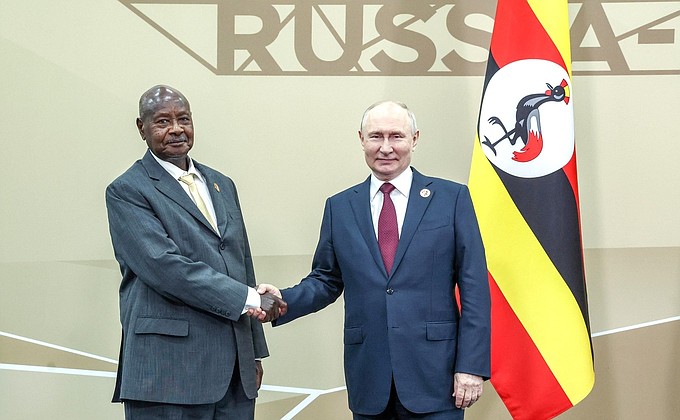

MOSCOW – Uganda is coming to Moscow’s Africa summit, but not at the level the Kremlin has spent months trying to secure from the continent.
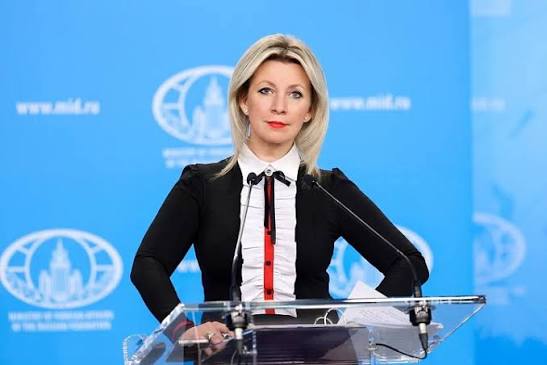
Russian Foreign Minister Sergey Lavrov confirmed Friday that Vice President Jessica Alupo will represent Uganda at the Russia-Africa Summit in October, telling her directly in a meeting on the sidelines of the UN General Assembly, “Very nice to see you, Madam. And we got the message that you will be representing Uganda in Moscow at the Russia-Africa Summit.” Alupo confirmed she had been notified by President Yoweri Museveni.
The delegation level matters. Moscow has spent the past several months personally recruiting heads of state for the summit, with Putin inviting the leaders of Burkina Faso, Mali and Niger directly, and South Sudan’s Salva Kiir among the presidents already confirmed to attend in person. A vice president, however senior, is a step down from that guest list, and it lands at a moment when Uganda has been cultivated separately as a potential BRICS partner country, a status Kampala has weighed since Lavrov first offered Russian backing for it.
Lavrov’s framing leaned on continuity rather than upgrade. He told Alupo Russia had “very good relations” with her predecessor and was counting on Uganda to “ensure continuity,” language that reads less like courting a new relationship than managing an existing one that has not moved dramatically in either direction. Museveni himself has attended Russia-Africa gatherings before without treating them as a centerpiece of Ugandan foreign policy, which has stayed anchored to Western donors and East African regional diplomacy even as it maintains working ties with Moscow.
What the exchange leaves unresolved is why Museveni chose not to attend personally, a question neither official addressed on the record. The October summit will be Russia’s clearest measure yet of how many African governments are willing to send their top leader to Moscow specifically, rather than a deputy, at a moment when Western capitals are watching the guest list closely for signs of where African allegiances are actually shifting.